
House Prices in Japan (2026): ¥25M–¥100M+ by City & Type
Aug 23, 2026
Quick Summary: How Much Does a House Cost in Japan?
- National Average Range: ¥25.7M (Pre-owned Detached) to ¥55.9M (New Condominium) based on Flat 35 borrower data.
- Tokyo 23 Wards: ¥60M–¥100M+ depending on property type, age, and location (with central 5 wards commanding significant premiums).
- Regional Hubs (Osaka, Fukuoka, Nagoya, etc.): ¥20M–¥69M, offering accessible urban entry points for investors and residents.
- Key Valuation Drivers: Land value retention vs. building depreciation, proximity to transit, and hidden costs (taxes, repair reserve funds, exchange rates).
Many prospective buyers wonder how much a home in Japan costs and whether housing in Japan is relatively affordable compared with other countries.
Prices vary significantly depending on whether the property is a condominium or detached house and whether it is new or pre-owned. There are also substantial differences among markets such as Tokyo's 23 wards, Yokohama and Kawasaki, Osaka, Nagoya, Fukuoka, and Sapporo. Rather than relying solely on a nationwide average, buyers should compare prices across location and property type.
This article explains the average house price in Japan, provides typical price ranges in major cities, and outlines the key factors to consider before purchasing a property.
Browse properties for sale in Japan on Japan Property
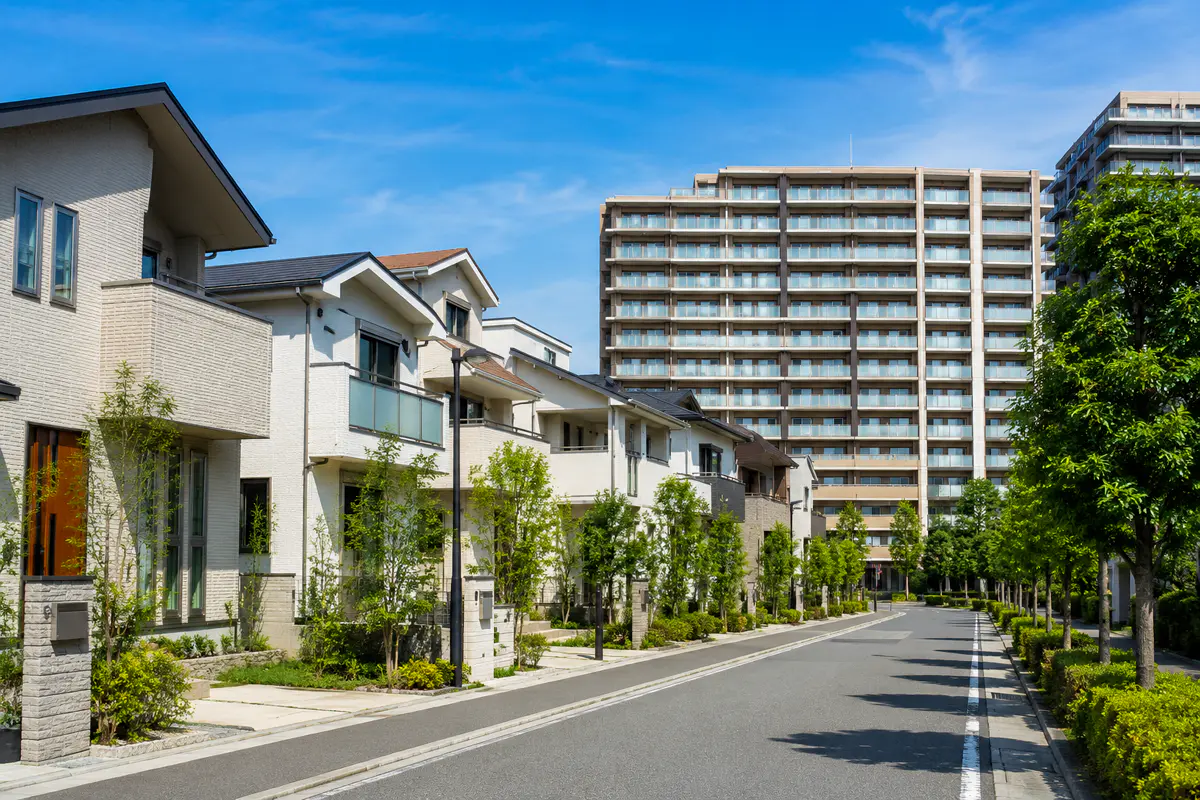
How Much Is the Average House Price in Japan?
The average house price in Japan differs significantly by property type. One useful benchmark is the annual Flat 35 Borrower Survey published by the Japan Housing Finance Agency. The survey covers buyers who purchased their homes with Flat 35, a long-term, fixed-rate mortgage program. The fiscal 2024 survey includes 27,523 cases, excluding mortgage refinancing.
The table below shows the approximate total acquisition cost by property type. This figure includes both the property price and related purchase expenses.
| Property Type | Approximate Total Acquisition Cost |
|---|---|
| New condominium | Approx. ¥55.92 million |
| New detached house (built for sale) | Approx. ¥38.26 million |
| Pre-owned condominium | Approx. ¥30.33 million |
| Pre-owned detached house | Approx. ¥25.73 million |
Source:
Japan Housing Finance Agency, Flat 35 Borrower Survey, Fiscal 2024. The figures represent total acquisition costs, including the property price and related expenses. Although the survey also includes custom-built homes and custom-built homes purchased with land, this article focuses on new and pre-owned condominiums and detached houses. The data covers buyers who used Flat 35 financing and does not include all-cash purchases.
These figures should be viewed only as a general indication of how much buyers using a residential mortgage paid. They do not represent a comprehensive average of all home prices in Japan.
Actual prices vary widely between major metropolitan areas such as Tokyo and Osaka, regional cities, and resort destinations. Even within the same area, prices differ depending on whether the property is new or pre-owned, a condominium or a detached house, and how old the building is.
For overseas buyers considering purchasing property in Japan, these national figures can serve as a starting point. The next step is to compare typical prices across the country's major markets.
Typical Average Home Prices in Japan's Major Cities
Housing prices vary significantly by city and property type. Tokyo's 23 wards are among the country's most expensive markets for both condominiums and detached houses, with purchase prices generally exceeding those in other major cities.
By comparison, buyers may find more affordable options in Yokohama and Kawasaki, Osaka, Nagoya, Fukuoka, and Sapporo. The table below provides a general overview of typical home prices in each market.
| Area | New Condominium*1 | Pre-Owned Condominium*2 | New Detached House*3 | Pre-Owned Detached House*2 |
|---|---|---|---|---|
| Tokyo's 23 wards | ¥100 million+ | ¥70–79 million | ¥80–100 million | ¥60–79 million |
| Yokohama and Kawasaki | ¥70–79 million | ¥40–49 million | ¥50–59 million | ¥40–49 million |
| Osaka | ¥50–69 million | ¥30–49 million | ¥40–49 million | ¥20–29 million |
| Nagoya | Around ¥39 million | ¥20–29 million | ¥30–39 million | ¥30–39 million |
| Fukuoka | ¥50–59 million | ¥20–29 million | Around ¥40 million | ¥30–39 million |
| Sapporo | Around ¥60 million | ¥20–29 million | ¥30–49 million | ¥20–39 million |
Sources:
*1 New condominiums: Real Estate Economic Institute, National New Condominium Market Trends, 2025. Figures represent initial asking prices at the time of sale.
*2 Pre-owned condominiums and detached houses: 2025 transaction price data published by the East Japan, Kinki, Chubu, and West Japan Real Estate Information Network Systems, collectively known as REINS. Figures represent actual contracted sale prices.
*3 New detached houses: Tokyo Kantei's 2025 data for Tokyo's 23 wards and contracted sale price data from the relevant REINS organization for all other areas.
The figures are approximate and may vary depending on the specific neighborhood, survey period, and data source. In Sapporo, the supply of high-priced condominium towers in central districts has pushed up the citywide average for new condominiums, resulting in considerable year-to-year fluctuations.
Tokyo's 23 Wards: High Prices, but Strong Liquidity and Investment Potential
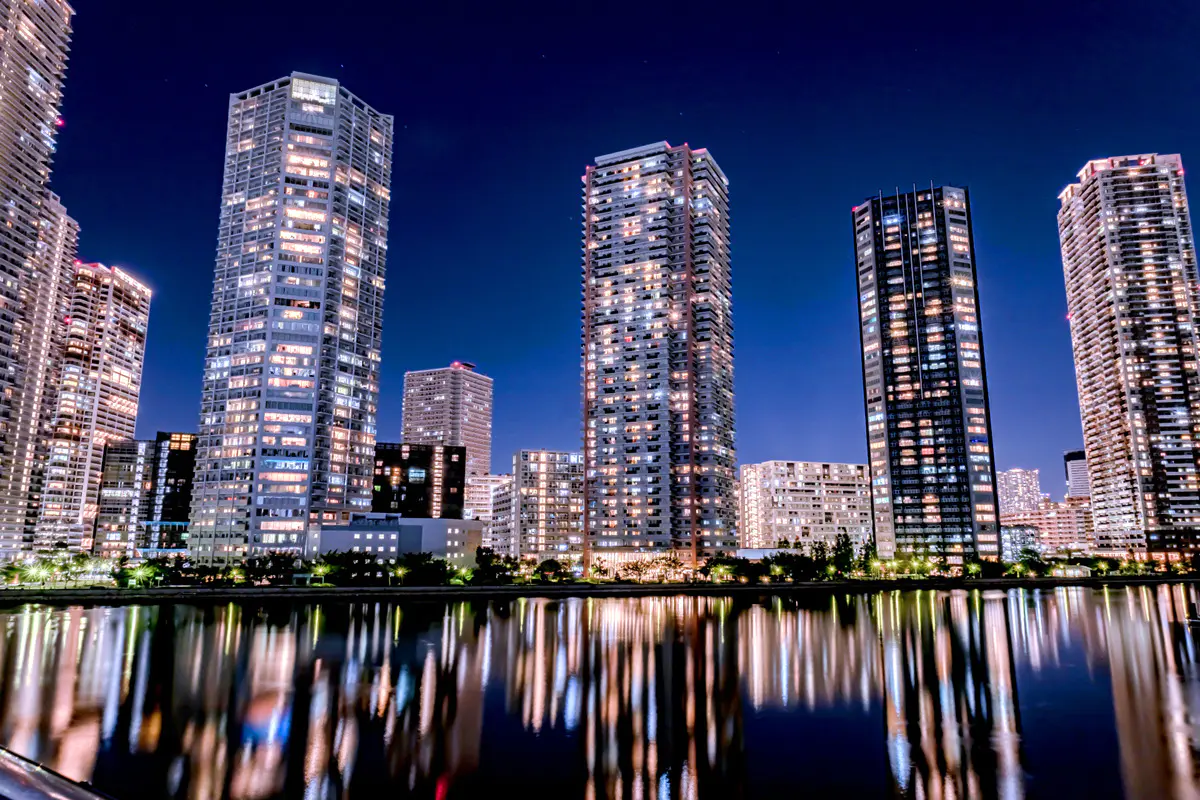
Tokyo's 23 wards are among the most expensive residential markets in Japan, as shown in the table above. Although acquisition costs are high, the area benefits from a large population, extensive transportation networks, and strong business activity. These factors tend to support stable rental demand and make properties easier to sell, contributing to relatively strong market liquidity.
However, prices and tenant profiles vary considerably within the 23 wards. The five central wards—Chiyoda, Chuo, Minato, Shinjuku, and Shibuya—differ significantly from the outer wards. Rather than evaluating the 23 wards as a single market, buyers should assess conditions at the ward and neighborhood level.
Check Current Prices & Listings: Tokyo Apartment Prices & Listings | Tokyo House Prices & Houses for Sale
Investment Guide: Learn more about real estate investment strategies in Tokyo
Yokohama and Kawasaki: A Balance of Greater Tokyo Access and Affordability
Yokohama and Kawasaki offer an attractive balance between access to central Tokyo and acquisition cost. Buyers can often purchase properties at lower prices than in Tokyo's 23 wards while still benefiting from commuter and residential demand across the Greater Tokyo area.
However, both cities cover large geographic areas, and market conditions vary widely. Areas with direct rail access to central Tokyo, such as Minato Mirai and Musashi-Kosugi, have very different pricing and demand from suburban residential districts. The figures in the table should therefore be treated as citywide averages. When evaluating a property, it is important to narrow the search based on proximity to the nearest station and travel time to central Tokyo.
Check Current Prices & Listings: Yokohama Apartment Prices & Listings | Yokohama House Prices & Houses for Sale
Investment Guide: Read the Yokohama real estate investment guide
Osaka: Urban Investment at a Lower Entry Price Than Tokyo
Osaka offers opportunities for urban real estate investment at a lower acquisition cost than Tokyo's 23 wards. As the commercial center of western Japan, the city has a concentration of retail, office, and tourism activity, supporting rental demand across many neighborhoods.
However, prices and tenant profiles vary significantly between central wards such as Chuo and Kita and areas farther from the city center. In addition to the citywide figures shown in the table, investors should evaluate access to major business and commercial districts and the type of rental demand each neighborhood is likely to attract.
Check Current Prices & Listings: Osaka Apartment Prices & Listings | Osaka House Prices & Houses for Sale
Investment Guide: Read the Osaka real estate investment guide
Nagoya: More Affordable Housing Within a Major Metropolitan Area
Nagoya generally offers lower acquisition costs than Tokyo, Yokohama, and Osaka, making it an attractive option for investors seeking the convenience of a major metropolitan area at a more manageable price.
At the same time, the local economy is closely tied to the automotive industry, meaning that employment and population trends can have a direct impact on rental demand. Demand also differs between centrally located condominiums and detached houses in suburban areas. Buyers should therefore assess each property type according to their investment objectives.
Check Current Prices & Listings: Nagoya Apartment Prices & Listings | Nagoya House Prices & Houses for Sale
Investment Guide: Learn more about the Nagoya real estate market
Fukuoka: Strong Demand in a Compact Urban Center
Fukuoka is a compact city where many business districts, transportation hubs, and lifestyle amenities are concentrated in the central area. Residential and rental demand is particularly strong in Chuo and Hakata wards. The city has also continued to record population growth, attracting attention as one of Japan's more promising regional real estate markets.
However, both pricing and rental demand vary considerably between central and suburban areas. Before purchasing, investors should assess local tenant demand and the long-term outlook for each neighborhood.
Check Current Prices & Listings: Fukuoka Apartment Prices & Listings | Fukuoka House Prices & Houses for Sale
Investment Guide: Read the Fukuoka real estate investment guide
Sapporo: Affordable Pre-Owned Homes and Strong Interest From Overseas Investors
Sapporo offers relatively affordable options for pre-owned condominiums and detached houses. The higher average shown for new condominiums in the table reflects the recent supply of high-priced high-rise developments in central districts, which can result in significant year-to-year fluctuations.
As a major center for tourism and business, and a gateway to Hokkaido resort destinations such as Niseko, Sapporo also attracts considerable interest from overseas investors. However, properties in this cold, snowy climate can involve maintenance and repair costs that are less common in other parts of Japan, including snow removal, insulation, and water-heating equipment.
In addition to access to central areas such as Chuo Ward, buyers should consider how well the property is equipped to handle Sapporo's winter climate.
Check Current Prices & Listings: Sapporo Apartment Prices & Listings | Sapporo House Prices & Houses for Sale
Investment Guide: Read the Hokkaido and Sapporo real estate investment guide
Why Average House Prices in Japan Can Appear Relatively Low
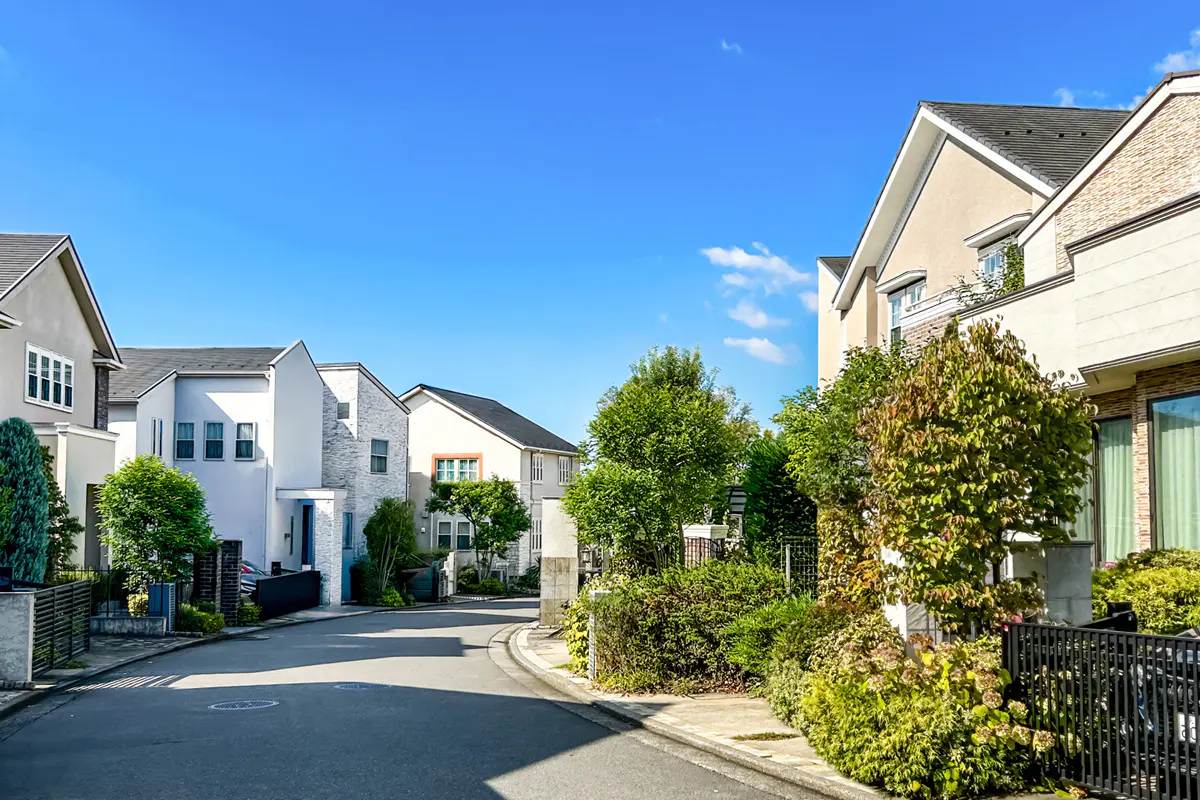
Average house prices in Japan may appear low compared with those in some overseas markets. However, a low purchase price does not necessarily mean that a property is undervalued as an investment. One reason is that the way pre-owned homes and building values are assessed differs from those in many other countries.
In Japan, the value of a building generally declines as it ages. While pre-owned homes in some overseas markets may retain their value over long periods, the building portion of a Japanese property is often valued less as it gets older, with greater emphasis placed on the land.
This is particularly important when evaluating a detached house. Buyers should assess not only the price of the building, but also the value of the land and the quality of the location. For long-term ownership or a future resale, factors such as distance from the nearest station, local population trends, and whether the property can be rebuilt should also be considered.
Lower-priced homes can often be found in regional and suburban areas, but they may come with additional risks. These can include high repair costs, difficulties arranging property management, weak rental demand, and limited resale prospects.
Overseas buyers should therefore evaluate not only the acquisition price, but also ongoing maintenance requirements and a realistic exit strategy.
What Overseas Buyers Should Check Before Purchasing a Home in Japan
Average home prices in Japan may appear relatively affordable compared with those in some other countries and regions. However, buyers should avoid making investment decisions based on the purchase price alone. Before acquiring a property, it is important to review additional costs, exchange-rate risk, property management arrangements, and the property's future resale potential.
Account for Costs Beyond the Purchase Price
Purchasing real estate in Japan involves expenses beyond the property price, including brokerage fees, registration costs, real estate acquisition tax, and fixed asset tax. Condominium owners must also pay ongoing management fees and contributions to the building's long-term repair reserve fund.
A property may appear inexpensive based on its asking price, but the total financial burden can be considerably higher once acquisition expenses and ongoing ownership costs are taken into account. Brokerage fees and taxes may also apply when the property is later sold.
Buyers should therefore review the full range of costs associated with purchasing, owning, and eventually selling a property.
For a full breakdown of agent fees, registration tax, and other purchase-related costs, see our guide: How Much Does It Cost to Buy a House in Japan?
Learn more about real estate taxes and property ownership costs in Japan
Consider Exchange Rates and International Transfer Costs
Overseas buyers may need to convert funds from their local currency into Japanese yen to finance a property purchase. As a result, exchange-rate movements can affect the actual cost of the transaction.
Changes in the exchange rate between the start of the property search and the closing date may increase or decrease the amount payable in the buyer's home currency, even if the property price in yen remains unchanged. International transfers may also involve remittance fees, foreign exchange charges, and processing delays.
Because these factors can affect the purchase timeline, buyers should confirm the transfer method, expected costs, and required processing time in advance.
Evaluate Rental Demand and Property Management Options
When purchasing a home as an investment, buyers should assess not only the price but also the level of rental demand. Even in urban areas, tenant demand varies depending on factors such as proximity to the nearest station, the surrounding environment, floor plan, and building age.
Managing a rental property from overseas can be challenging. Owners may need to respond to tenant inquiries and equipment issues despite differences in time zones and language. Before purchasing, buyers should confirm whether a reliable property management company can handle leasing, cleaning, repairs, and communication with tenants on their behalf.
Assess the Property's Future Resale Potential
A low purchase price does not necessarily make a property a low-risk investment. Properties with older buildings, inconvenient locations, poor maintenance, or restrictions on rebuilding may be more difficult to sell in the future.
Buyers planning to hold a property over the long term or resell it later should consider factors such as proximity to the nearest station, local population trends, land value, and the condition and management of the building.
The key question is not only whether the property is inexpensive today, but also whether it is likely to remain attractive to future buyers or tenants. The purchase decision should therefore take the property's exit strategy into account from the outset.
Frequently Asked Questions About Average House Prices in Japan
Below are answers to common questions about buying a home in Japan.
Can I Buy a Home in Japan While Living Overseas?
Yes. Nonresidents, foreign nationals, and overseas corporations can generally own real estate in Japan, and there are no major differences in the basic legal framework governing property ownership.
However, buyers completing a purchase from overseas should confirm the requirements for identity verification, the exchange of contract documents, the transfer of purchase funds, and completing the property registration process.
Those planning to rent out the property should also confirm whether a property management company can handle tenant communication, repairs, and other day-to-day responsibilities on their behalf.
Is It Better to Buy a Condominium or a Detached House in Japan?
The better option depends on the purpose of the purchase. A condominium may be more suitable for investors who prioritize convenience and ease of management. The condominium owners' association and management company typically handle maintenance of the building and common areas, making the property relatively straightforward to manage from overseas.
However, condominium owners must continue paying monthly management fees and contributions to the building's long-term repair reserve fund. A detached house may make it easier to assess the underlying land value, but the owner is responsible for arranging all building maintenance and repairs.
For long-term ownership or a future resale, buyers should compare not only the purchase price but also the land value, ease of management, expected repair costs, and rental demand.
What Should I Consider Before Buying a Cheap Home in Japan?
Relatively inexpensive homes can be found in regional and suburban areas, particularly among older properties. However, buyers should avoid making a decision based on price alone.
Low-priced homes may require substantial repairs, have limited rental demand, be difficult to manage from overseas, or prove challenging to resell. For detached houses, buyers should also confirm whether rebuilding is permitted, the shape and condition of the land, and whether the lot has legally sufficient access to a public road.
When considering an inexpensive property from overseas, buyers should evaluate the purchase price together with repair costs, management arrangements, rental demand, and future resale prospects.
Learn what to check before buying a vacant home in Japan
Conclusion
The average house price in Japan varies widely by city and property type. Tokyo's 23 wards are among the most expensive markets, while Osaka, Nagoya, and Fukuoka may offer more affordable alternatives.
However, buyers should look beyond the purchase price and consider the property's age, land value, maintenance and repair costs, management arrangements, and future resale potential. Japan Property allows you to compare listings by location and property type in order to find a property that matches your needs.