
Cost of Buying a House in Japan: Fees, Taxes & Step-by-Step Guide for Foreigners
May 4, 2026
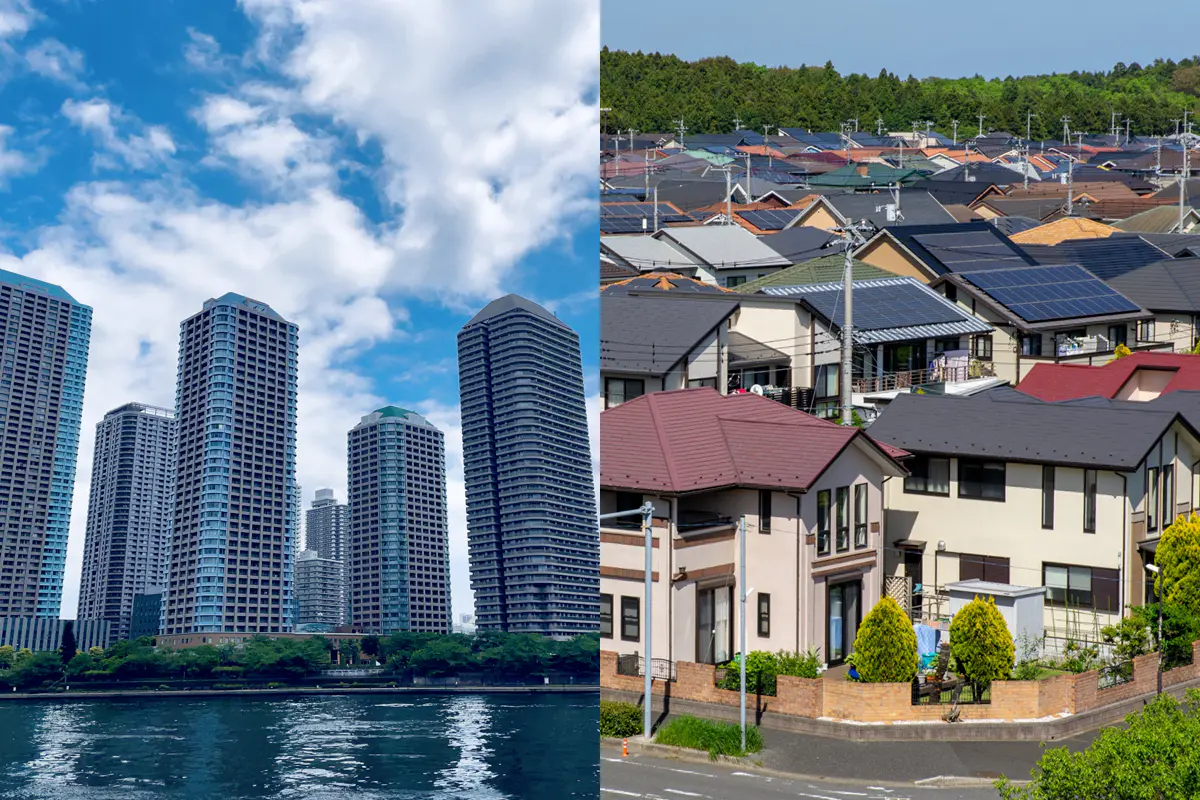
When buying a house in Japan, the listing price is only part of your overall budget. Transaction fees, legal taxes, and ongoing maintenance typically add an extra 5–8% to the property's purchase price. To plan effectively, you must look beyond the listing price and account for the total cost of acquisition.
In this guide, we break down the additional purchase costs, tax obligations, and the step-by-step buying process for foreign buyers acquiring real estate in Japan.
How Much Does a House Cost in Japan? A Quick Overview
When buying a house in Japan, the first question most overseas buyers ask is simple: how much does it actually cost? According to the 2024 Flat 35 User Survey by the Japan Housing Finance Agency, national average purchase prices range from approximately ¥25.73 million for a pre-owned detached house up to ¥55.92 million for a new condominium.
These national figures are a useful starting point, but actual prices vary significantly by city and property type — a new condominium in Tokyo's 23 wards can exceed ¥100 million, while regional cities such as Nagoya or Fukuoka often offer comparable properties for a fraction of the cost. New builds also carry a substantial premium over pre-owned homes, driven by strong local demand for “brand new” construction.
Because location and property type make such a large difference, the price of the property itself is only one part of your total budget. Just as important is understanding what you'll pay on top of that price — which is where the real planning begins.
For a full city-by-city and property-type price breakdown covering Tokyo, Osaka, Nagoya, Fukuoka, Sapporo and more, see our detailed guide: House Prices in Japan by City & Type.
Additional Costs of Buying a House in Japan
The total cost of buying a house in Japan is not determined by the property price alone. You must also factor in closing costs, taxes, and ongoing maintenance when planning your budget. For example, if you purchase a property priced at ¥100 million, your total payout including fees would look like this:
- Property price: ¥100 million
- Additional costs: Approximately 5–8%, or ¥5–8 million
- Total: Approximately ¥105–108 million
There are always upfront costs separate from the purchase price. For overseas buyers, assuming the listing price equals the total payment can lead to significant budget miscalculations.
Additional Fees Beyond the Property Price
In addition to the purchase price, real estate transactions involve initial costs like agent fees and legal registration. These usually amount to a small percentage of the property price and include:
- Agent fee: Up to 3% of the price + ¥60,000, plus 10% consumption tax
- Registration tax: Approximately 0.1–0.4% of the property value
- Judicial scrivener fee: Around ¥50,000–¥200,000 for legal processing
- Stamp duty: Typically several tens of thousands of yen depending on contract value
Because these are usually paid at the time of the contract, you must ensure your liquid capital covers the total cost.
Property Taxes in Japan
When you buy property in Japan, you are subject to both one-time and recurring taxes. For international buyers, the Japanese tax system can be complex, so it is vital to understand these obligations:
- Real estate acquisition tax: A one-time tax, usually 3% of assessed value
- Fixed asset tax: An annual ownership tax, usually 1.4% of assessed value
- City planning tax: Up to 0.3% of assessed value in designated urban areas
For more details, see our guide to property taxes and ownership costs in Japan.
Ongoing Maintenance Costs
If you purchase a condominium, you will have fixed monthly expenses that impact your return on investment. These include:
- Management fee: ¥10,000–¥30,000 per month
- Repair reserve fund: ¥10,000–¥20,000 per month
- Property management fee for rentals: Around 5% of monthly rent
- Fire insurance: Several tens of thousands of yen per year
When buying for investment purposes, always evaluate the net yield after deducting these ongoing costs rather than just looking at the gross rental income.
Can Foreigners Buy Property in Japan?

The short answer is yes. Foreigners can buy property in Japan without any restrictions. Japan does not impose nationality requirements or residency hurdles for property ownership; you can purchase real estate even without a permanent residency visa or citizenship.
However, while ownership is open, mortgage eligibility varies by lender. Factors such as your residency status and Japan-based income will affect loan approval. It is essential to plan your financing—whether cash or mortgage—well before you commit to buying a house in Japan.
For a detailed explanation, read our guide on whether foreigners can buy property in Japan.
Steps for Foreigners Buying a House in Japan
The process for buying a house in Japan is generally the same for both Japanese nationals and foreigners. There are no major restrictions on foreign ownership, and even non-residents can buy property in Japan. However, Japan has its own unique contract procedures and documentation requirements, so it is important to understand the process in advance.
- Property Search and Research: Start by clarifying your purpose and budget. Whether you are buying for investment, as a second home, or for a personal residence will influence the location and type of property you choose.
- Offer Submission and Price Negotiation: Once you find a property, you submit a Letter of Intent to purchase. This document outlines your proposed price and terms, including the desired closing timeline.
- Important Matters Explanation and Purchase Agreement: After terms are agreed upon, a licensed agent provides an Explanation of Important Matters. Once you agree, the purchase agreement is signed, and you typically pay a deposit of around 5–10%.
- Final Payment and Property Registration: On the closing date, the remaining balance is paid and ownership registration is completed. A judicial scrivener is usually present to handle the legal registration.
- Handover and Start of Use: After registration is finalized, the property is handed over. If the purchase is for investment, you can begin leasing the property and arrange a management agreement.
Key Factors When Evaluating Japan House Prices
Japan house prices vary significantly depending on location and market characteristics. For overseas buyers, it is important to understand the following three factors when evaluating property values:
- Regional Price Differences and Market Liquidity: In major metropolitan areas like Tokyo and Osaka, demand is concentrated, resulting in higher prices. However, these markets are more active, making it easier to buy and sell properties while maintaining asset value.
- Rental Yield and Resale Potential: When investing, it is not enough to focus solely on rental yield. You also need to consider whether there will be a viable resale market in the future.
- Exchange Rates and Financial Planning: For international buyers, exchange rate fluctuations can significantly impact both the purchase cost and overall returns.
For more information, see our article on exchange rates and financial planning for Japan real estate investment.
Compare and Evaluate Japanese Real Estate with Japan Property
Japan's real estate market varies significantly depending on location and property type, and the criteria for evaluating value can differ widely. In high-end urban markets, factors such as scarcity, property management quality, and brand reputation are often prioritized. In regional areas, rental yield and land size may play a more important role. For this reason, when buying a house in Japan, it is essential not just to compare Japan house prices, but to assess whether a property aligns with your specific investment goals.
Japan Property is a real estate portal designed for international investors, offering access to property listings across Japan in English. From high-end urban properties to investment opportunities in regional markets, the platform allows you to compare a wide range of options while considering market data and key conditions—making it easier to find properties that match your strategy when you buy property in Japan.
Start comparing properties for sale in Japan on Japan Property.
Conclusion: Choosing the Right Market Is Key
When buying a house in Japan, it is important to look beyond Japan house prices and consider factors such as regional characteristics and future market liquidity. In major metropolitan areas, the focus is often on long-term asset value, while in regional markets, higher yields and lower acquisition costs can be attractive.
In real estate investment, you should take into account not only market conditions but also your exit strategy, exchange rate risks, and global demand trends. By clearly defining your investment goals, you can build a more stable and sustainable portfolio when you buy property in Japan.
Browse available homes and investment properties in our Japan real estate listings for foreign buyers.