
Fukuoka Real Estate Investment Guide: Top Neighborhoods
Mar 5, 2026
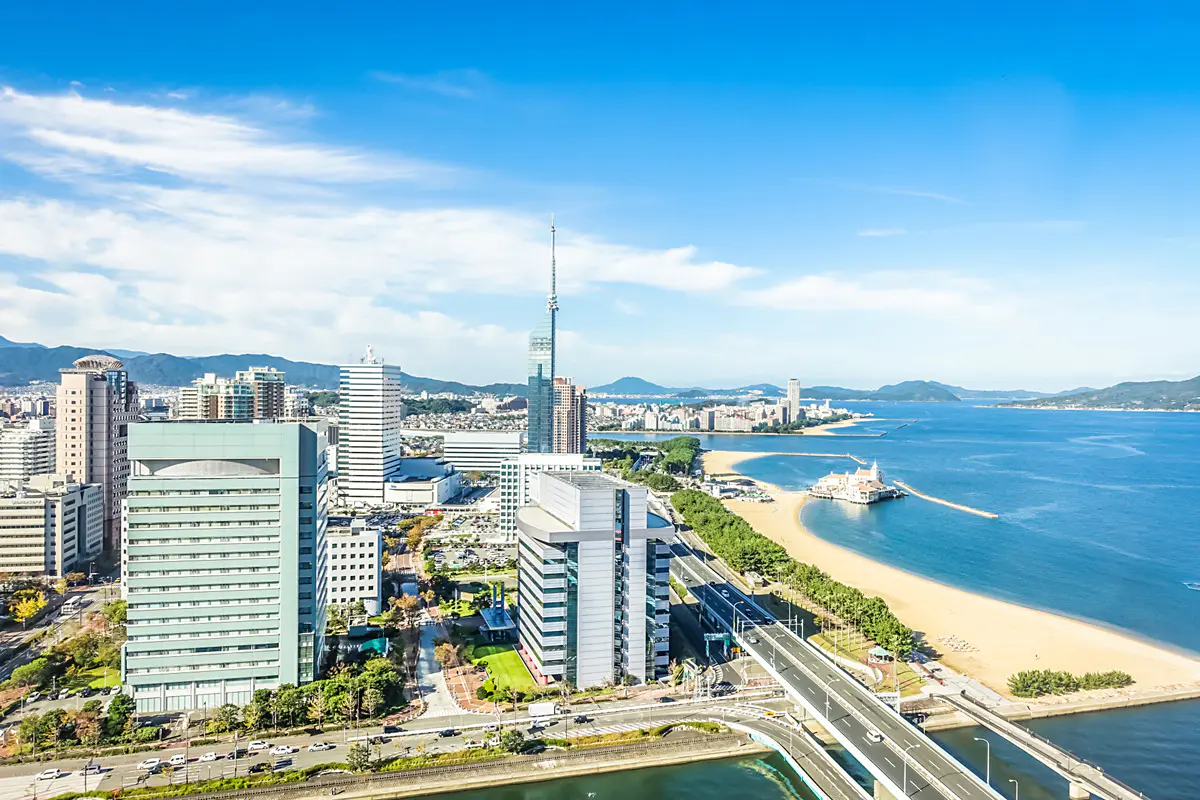
Fukuoka is a compact, highly efficient city with urban activity centered around Tenjin and Hakata. Understanding how various Fukuoka neighborhoods interconnect—considering distance, purpose, and demand drivers—is vital for making informed real estate investment decisions. This guide breaks down the city’s structure and explains how to evaluate each district from an investment perspective. Whether you are a seasoned investor or new to the Japanese market, this analysis helps you compare areas clearly, use a Fukuoka neighborhoods map strategically, and determine which location aligns with your financial goals or a future home Fukuoka purchase.
Why Foreign Investors Focus on Fukuoka
Among Japan’s major cities, Fukuoka stands out for its stable population trends and consistent urban growth. With commercial and business hubs concentrated in Tenjin and Hakata, the city offers short commute times and exceptional convenience relative to its size. Compared to Tokyo or Osaka, property prices remain more accessible, yet the infrastructure and livability are world-class—an appealing combination for those prioritizing efficiency and long-term value.
Rapid access to other major Asian cities and a thriving startup and IT scene further strengthen Fukuoka’s position as a premier destination for Fukuoka neighborhoods investment. On the Japan Property portal, Fukuoka consistently ranks among the top five most searched locations. Appearing alongside global heavyweights like Tokyo, Kyoto, Osaka, and Niseko (Hokkaido) reflects its rising credibility among foreign buyers considering a home Fukuoka investment.
Direct feedback from foreign residents—often shared via social media and YouTube—reinforces this momentum. Locals frequently highlight the high quality and affordability of food, lower rent compared to Tokyo, and the lack of overwhelming urban congestion. Residents also value the ability to reach beaches and mountains within minutes of central districts, complemented by a mild year-round climate. While these are lifestyle perspectives, they underscore why Fukuoka is a city where people genuinely want to live—a critical factor when gauging rental demand across different Fukuoka neighborhoods. For a detailed breakdown of specific investment strategies, please refer to our related article on Fukuoka investment strategies.
Key Characteristics of Fukuoka Neighborhoods for Real Estate Investment
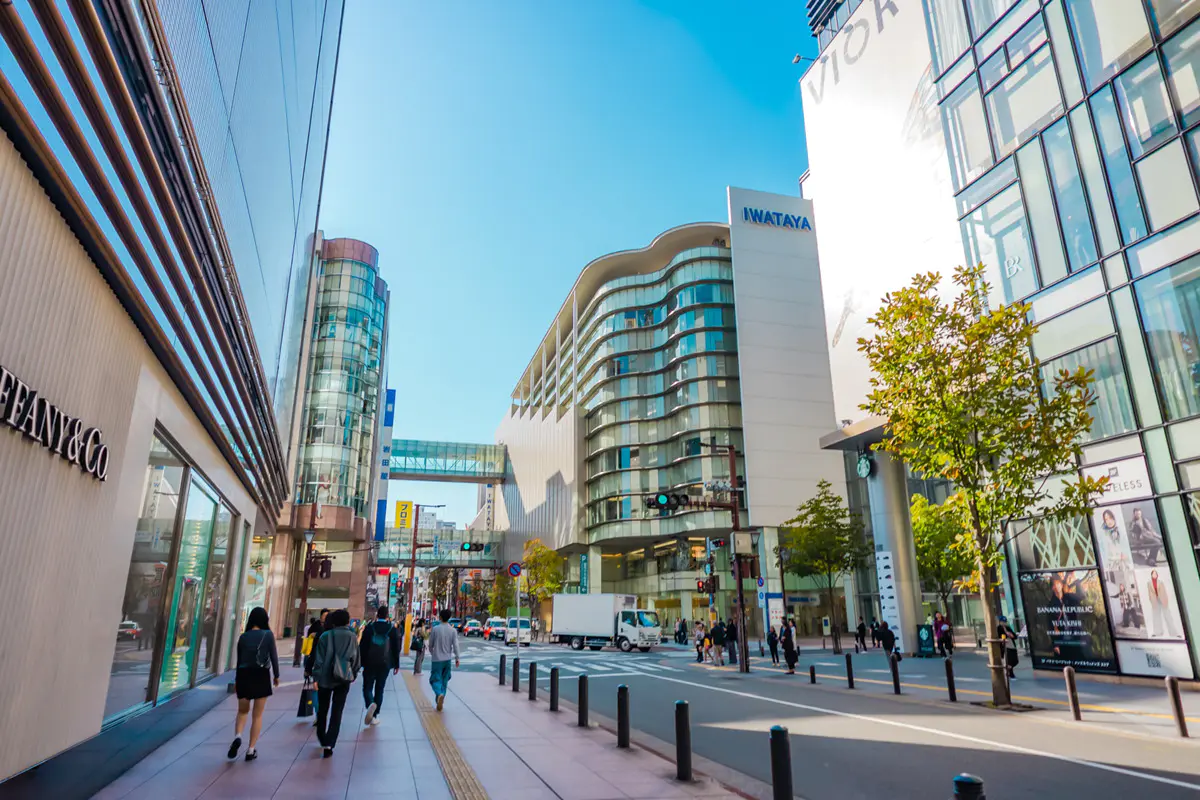
One of Fukuoka’s defining features is the high concentration of urban activity around Tenjin and Hakata. Major commercial centers, office buildings, and transportation hubs are clustered within a small radius, resulting in short commute times and close proximity between central business districts and residential zones.
Because of this compact urban structure, evaluating Fukuoka neighborhoods is not a simple choice between "downtown or suburbs." Instead, many districts offer a blend of central access and a high-quality living environment. Consequently, housing demand is distributed across several areas rather than a single district, allowing investors to compare multiple Fukuoka neighborhoods strategically.
The following sections outline representative areas from an investment perspective. If you are beginning your search, we recommend reviewing the investment strategy comparison chart to identify which locations best align with your financial goals.
Best Areas in Fukuoka by Investment Strategy
| Investment Strategy | Recommended Areas | Rationale | Yield | Target Tenants | Primary Risks |
|---|---|---|---|---|---|
| Liquidity-Focused | Tenjin & Hakata | High Demand | 3–4% | Singles | Rising Entry Prices |
| Stability-Focused | Yakuin | Long-term Occupancy | Approx. 4% | Families | Limited Capital Appreciation |
| Growth-Oriented | Momochi | Redevelopment | Approx. 4% | Families | Delayed Demand Realization |
Tenjin & Hakata: The Commercial and Business Core
Tenjin and Hakata form the heart of Fukuoka, where office towers, flagship shopping complexes, and major transit hubs converge. JR lines, subway routes, and extensive bus networks are all centralized here, providing seamless access within the city and to the wider region.
These districts consistently attract business professionals, corporate transferees, and single-person households, driving robust rental demand. For investors prioritizing liquidity and minimal vacancy periods, properties in these Fukuoka neighborhoods are particularly compelling. However, these are also the highest-priced sectors in the city. Investment decisions here should balance immediate rental yield against the strength of the location and long-term resale potential. For area living and rental context, see Tenjin rental area guide and Hakata rental area guide.
Yakuin, Ohori, & Nishijin: Stable Residential Demand
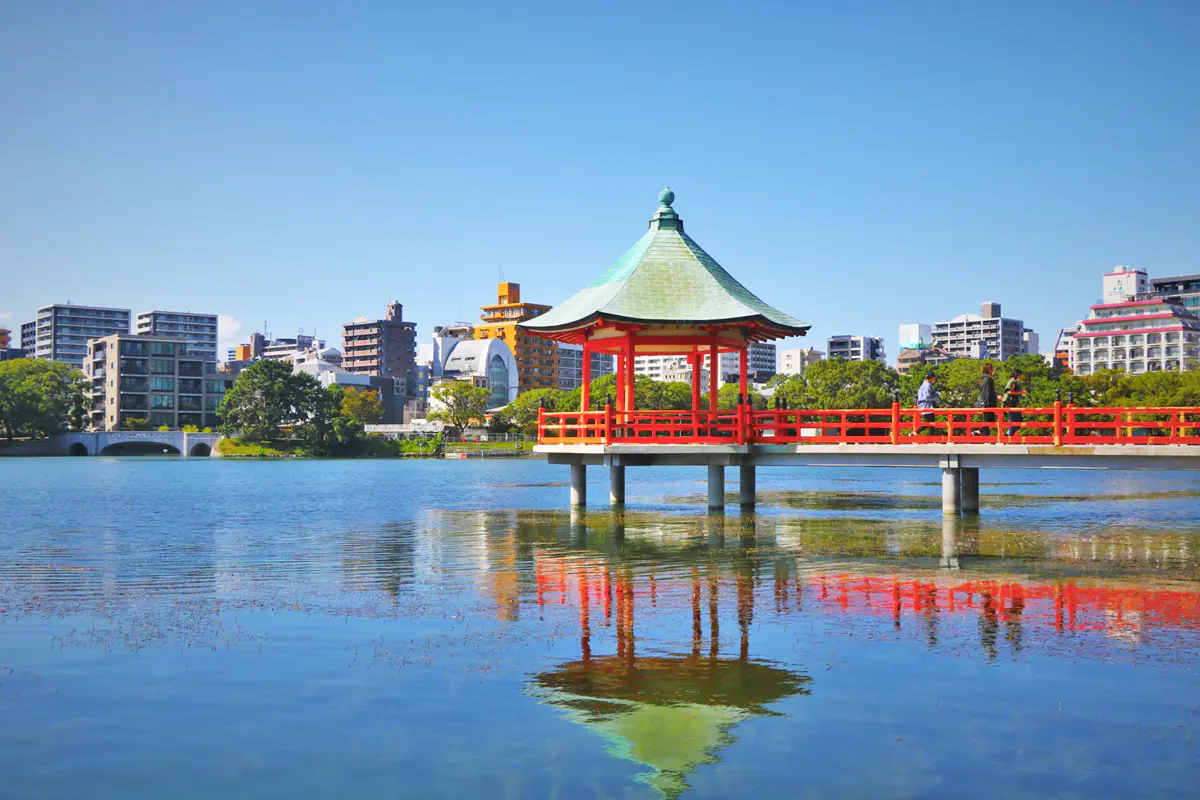
Yakuin, Ohori, and Nishijin are highly sought-after by residents who prioritize a tranquil living environment without sacrificing proximity to Tenjin and Hakata. Excellent subway connectivity and major arterial roadways ensure a smooth commute to the city center, offering a refined balance between urban accessibility and quality of life.
These neighborhoods attract a diverse tenant base, including professionals, families, and long-term residents, which typically results in lower turnover rates. For investors seeking reliable rental operations and minimal vacancy risk, these Fukuoka neighborhoods offer a dependable foundation. Rather than targeting speculative price spikes, these areas suit those prioritizing steady performance backed by consistent residential demand—ideal for buyers considering a long-term home Fukuoka strategy.
Momochi & Island City: Growth Potential and Redevelopment
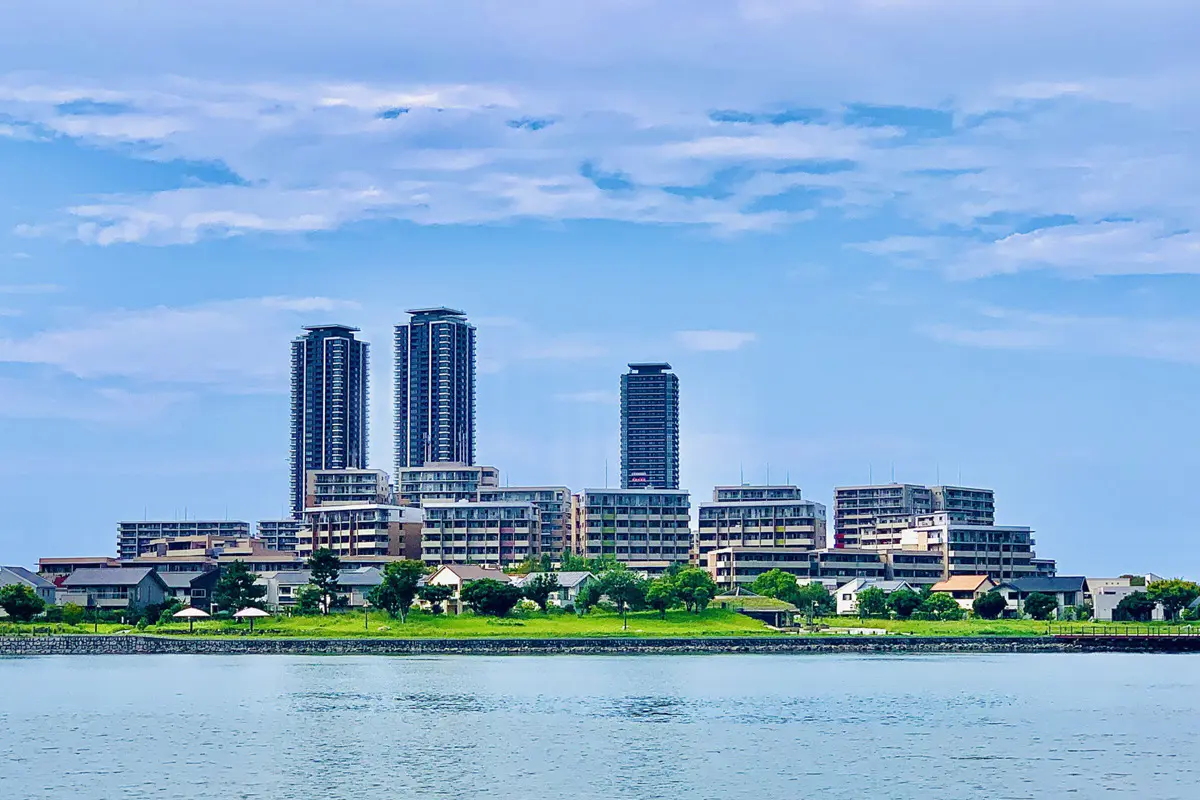
Momochi and Island City are districts defined by master-planned urban development and ongoing redevelopment projects, positioned as attractive options for mid- to long-term growth. These areas integrate commercial facilities, public institutions, and residential zones within a modern infrastructure that continues to mature.
While current accessibility and liquidity may not yet match the intensity of Tenjin or Hakata, the continued maturation of these districts is expected to enhance overall asset value. These Fukuoka neighborhoods are better aligned with investors who prioritize long-term capital appreciation over immediate high yields. When considering a "buy and hold" strategy in these emerging districts, it is essential to monitor infrastructure milestones and broader regional development trends. For neighborhood context, see Fukuoka neighborhood guide.
Common Mistakes Foreign Investors Make
A frequent challenge for foreign investors is not necessarily identifying "good" or "bad" areas, but misinterpreting Fukuoka’s unique urban structure by applying the logic of Tokyo or other global megacities. Because Fukuoka's scale and lifestyle patterns differ fundamentally from larger hubs, big-city assumptions can lead to misjudged rental performance.
Below are the critical factors to keep in mind when evaluating Fukuoka neighborhoods.
Misunderstanding Distance in a Compact City
Fukuoka’s urban core is exceptionally concentrated. Consequently, areas that appear distant on a Fukuoka neighborhoods map may, in reality, be only a short commute from the city center.
If investors assume that "farther from downtown equals weaker demand"—a common rule in Tokyo or London—they often overlook districts with robust rental potential. In Fukuoka, actual commute time and the flow of daily life matter far more than geographic distance. Prioritizing travel time in minutes rather than map distance leads to more accurate investment decisions.
Prioritizing Transit Links Over District Names
In many Fukuoka neighborhoods, the specific rail line and nearest station influence demand more than the neighborhood's prestige. The subway and JR networks are relatively straightforward, and a property’s connected station effectively defines the resident’s daily radius.
Rather than judging by broad district names, investors should analyze travel time to Tenjin or Hakata and the number of required transfers. For foreign buyers, focusing on station-based accessibility provides a much clearer picture of livability and rental demand for a potential home Fukuoka purchase.
"Popular" Does Not Always Mean Stable for Investment
Fukuoka is widely recognized as one of Japan’s most livable cities, and certain districts enjoy significant media attention and name recognition. However, popularity alone does not guarantee consistent, long-term rental demand. From an investment standpoint, the critical question is whether demand is structurally sustainable or merely driven by temporary trends.
Rather than relying solely on reputation, investors should analyze tenant demographics and the maturity of the surrounding infrastructure. A disciplined, data-driven approach to evaluating Fukuoka neighborhoods ultimately leads to more predictable performance and secure asset growth. You can browse current listings via Fukuoka properties for sale.
Five Key Factors for Evaluating Fukuoka Neighborhoods
When investing in Fukuoka neighborhoods, relying on area names or general impressions can create a gap between expectations and actual rental performance. Because of Fukuoka’s unique urban structure and compact lifestyle zones, assessing concrete market conditions is essential before committing to a purchase.
Below are the primary checkpoints to review when narrowing down your target area.
-
Commute Times and Daily Flow to Tenjin and Hakata
In Fukuoka, the actual commute time to Tenjin or Hakata often outweighs the perceived prestige of a neighborhood. Whether a property offers direct subway or JR access—ideally with no transfers—significantly impacts tenant satisfaction and rental demand.
For residents commuting to work or school, shorter travel times are the top priority for daily convenience. Rather than judging solely by what a Fukuoka neighborhoods map suggests geographically, investors should calculate door-to-door commute times to ensure the location meets the needs of the local workforce. This is a vital step when finalizing a home Fukuoka investment strategy.
-
Local Infrastructure and Living Zones
Because Fukuoka is so compact, "proximity to downtown" isn't the only metric for livability. High-demand Fukuoka neighborhoods are defined by how easily residents can meet their daily needs within a local radius. Access to supermarkets, medical facilities, schools, and dining options are critical drivers of long-term tenant retention. Analyzing whether a neighborhood functions as a self-contained "living zone" provides a more realistic forecast of rental stability.
-
Tenant Demographics and Market Alignment
Each district attracts a distinct resident profile. Central areas near Tenjin or Hakata typically draw single professionals and corporate transferees, whereas quieter residential pockets attract families. Proximity to universities and specific business hubs further shifts this composition. Before committing to a home Fukuoka purchase or rental asset, ensure the property type aligns perfectly with the dominant local demographic to avoid a mismatch in expectations.
-
Resale Value and Exit Strategy Flexibility
A successful investment requires a clear exit plan. Neighborhoods that only appeal to a very narrow niche can be harder to offload later. The most resilient Fukuoka neighborhoods are those that attract both renters and owner-occupiers. Areas offering a balance of transit access and lifestyle amenities provide the greatest flexibility, as they can be sold to either a fellow investor or a local family looking for a permanent residence.
-
Management Quality and International Compatibility
In Fukuoka, a property’s operational success depends heavily on the management firm. For foreign investors, it is vital to partner with companies experienced in cross-border ownership and international tenant relations. A management team that offers English-language support and understands the nuances of foreign ownership helps prevent prolonged vacancies. In competitive Fukuoka neighborhoods, the quality of your local partner is just as important as the physical location of the building.
Compare and Consult on Fukuoka Neighborhoods with Japan Property
Japan Property is a premier real estate portal tailored for international investors, focusing on property evaluation through the lens of local market characteristics. Beyond offering English-language listings, the platform enables investors to benchmark opportunities across Japan—including key Fukuoka neighborhoods—against their specific financial objectives.
Rather than just browsing listings, users can analyze how each district aligns with their broader strategy, whether targeting immediate rental yields, long-term capital appreciation, or a future home Fukuoka purchase. By structuring property searches around area dynamics and market positioning, Japan Property empowers first-time foreign investors to make informed, confident decisions in the Fukuoka market. Start here: Fukuoka properties for sale.
Why Neighborhood Context is the Key to Success
What is the best neighborhood in Fukuoka? The answer depends entirely on your specific investment goals.
Fukuoka is a uniquely compact city with urban activity concentrated in Tenjin and Hakata. Consequently, accurately interpreting commute times, transit accessibility, and local livability is vital for sound real estate decisions. By evaluating Fukuoka neighborhoods based on actual travel routes and the maturity of local infrastructure, investors can look beyond surface-level trends.
- Tenjin and Hakata: Ideal for those prioritizing high liquidity and central business access.
- Yakuin and Ohori: Best suited for investors seeking stable residential demand and long-term tenant retention.
- Island City: A strategic choice for those focused on emerging redevelopment and long-term growth.
Ultimately, success stems from aligning district-specific characteristics with your personal investment policy. By defining your objectives and vetting areas accordingly, you can build a stable, sustainable, and profitable portfolio in Fukuoka. Browse listings: Fukuoka properties for sale.