
Don’t Judge by Price Alone: What to Know Before Buying an Akiya in Japan
Oct 29, 2025
Introduction
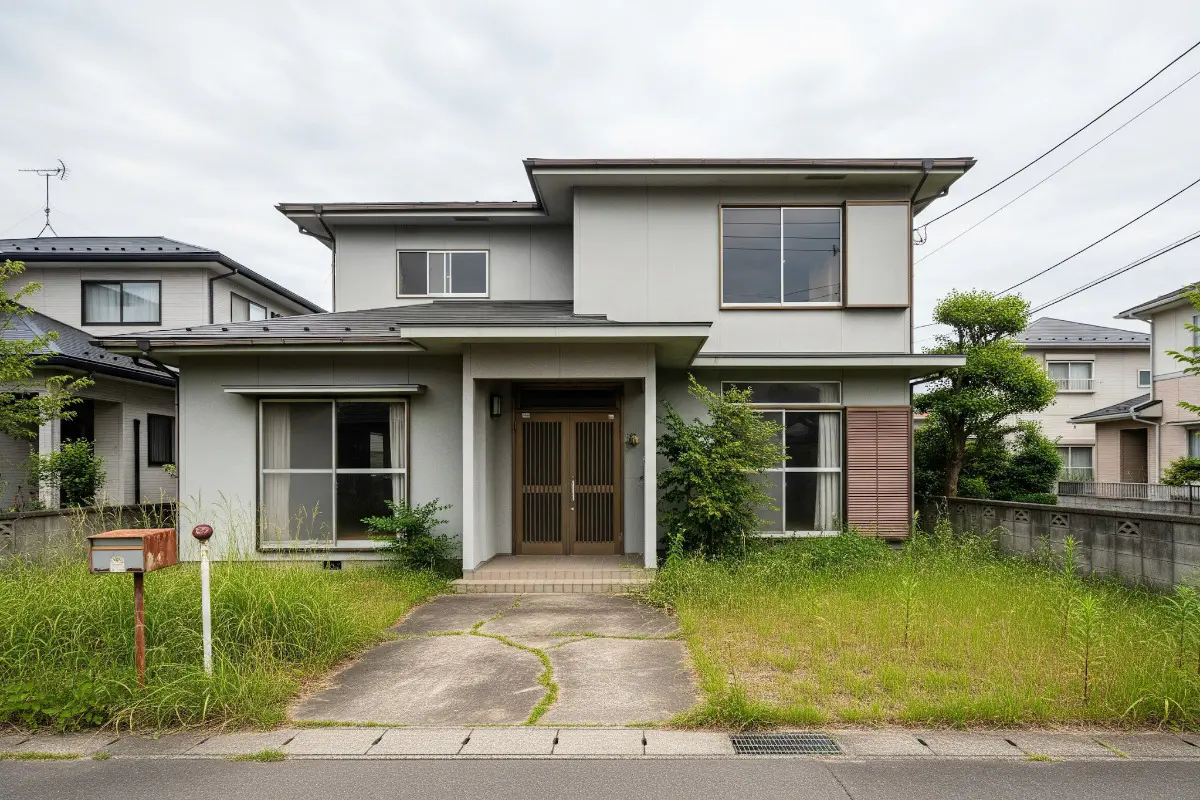
Akiya (empty houses) in Japan have been gaining international attention in recent years. Many foreign buyers are drawn to the idea of purchasing a vacation home or investment property at a remarkably low cost. With the Japanese government and local municipalities promoting akiya revitalization programs, and renovation projects and vacation rentals growing in popularity, the opportunity can look highly appealing.
However, buying an akiya in Japan based solely on its low price can come with unexpected risks. This article explores the key things you should know before buying akiya in Japan, including common pitfalls and what to check before making a purchase.
What Is an Akiya? Understanding the Basics
An akiya (空き家) is a Japanese term for a house that is unoccupied. It can refer to any vacant or abandoned property, from a condominium in the city to a detached house in the countryside.
In Japan, population decline and an aging society have left many older homes unused for years, leading them to be categorized as akiya. These neglected properties often deteriorate over time, creating safety and security concerns and turning the proliferation of akiya into a growing social issue.
Why Are There So Many Akiya in Japan?
The increase in akiya is mainly driven by population decline and the migration of younger generations to urban areas. In rural regions, many elderly homeowners pass away or move into care facilities, and their homes often remain empty after being inherited. In some cases, complicated inheritance procedures leave ownership unresolved, resulting in properties being abandoned indefinitely. As a result, the number of akiya across Japan continues to rise, prompting local governments to implement various countermeasures.
Hidden Costs and Common Risks When Buying Cheap Akiya in Japan
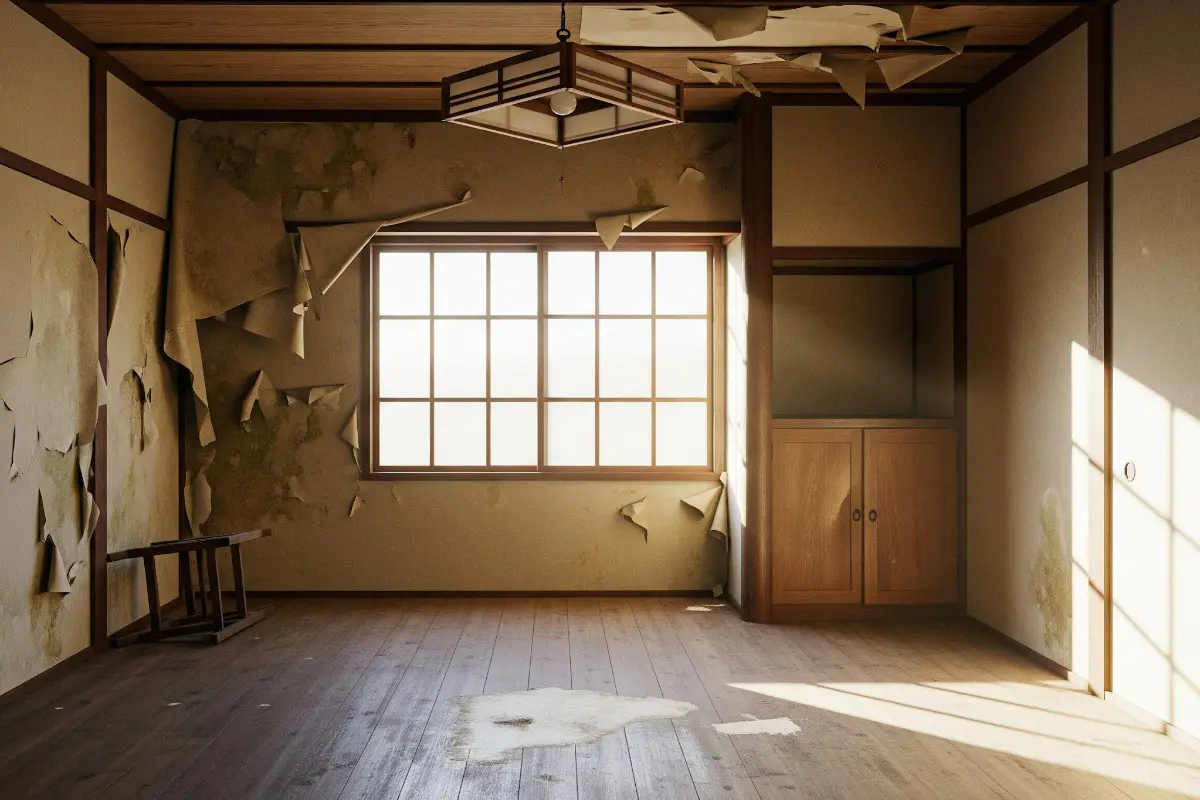
Akiya in Japan are often perceived as “free” or “extremely cheap and easy to buy,” but in reality, they come with various hidden costs and risks. Even a “free” akiya in Japan or a property listed at a very low price may require expenses such as renovation costs, property taxes, and demolition fees—often adding up to more than expected. Before buying an akiya house in Japan, it’s crucial to carefully assess the property’s condition and local regulations.
For details about property-related taxes, see our article: Property Tax for Foreign Owners in Japan
Aging Structures and High Renovation Costs
Many akiya houses in Japan are decades old and may have poor insulation or structural issues. Long-neglected properties often suffer from termite damage, roof leaks, or corroded plumbing. Renovation costs can range from several million to tens of millions of yen, sometimes exceeding the actual purchase price of the home.
Lacking Basic Utilities: Water, Gas, and Sewer Systems
Older akiya properties may lack basic infrastructure such as public water, sewage, or city gas connections. Installing alternatives like well water systems, septic tanks, or propane gas can lead to significant additional costs. In remote mountain areas or islands, unstable electricity or internet access can further complicate daily life or business operations such as running a guesthouse.
Zoning, Cultural, and Landscape Restrictions
Even if you plan to renovate and repurpose an akiya, local zoning laws can impose restrictions—especially in agricultural or restricted urban zones. In culturally protected areas or regions with strict landscape regulations, you may need government approval before altering the property’s exterior. These limitations not only reduce renovation flexibility but can also add extra administrative and financial burdens.
Complicated Ownership and Inheritance Issues
Some akiya properties have unclear ownership or multiple heirs, making the buying process lengthy and legally complex. Registering ownership or finalizing a contract may take considerable time. Before purchasing an akiya in Japan, always check the property registry and ownership records, and consult with a real estate or legal expert if needed to avoid potential disputes.
Long-Term Investment Risks of Buying Akiya in Japan
When purchasing an akiya in Japan for investment, it’s important to evaluate not just the property's price but also the long-term potential of the area. Japan’s regional populations are projected to decline significantly, with some forecasts projecting an average drop of about 20% between 2020 and 2040. With ongoing depopulation and local economic contraction, buying an akiya without proper research can lead to a gradual loss in asset value. Before investing, study local demographics, economic trends, and development plans to assess the long-term sustainability of your investment.
Future Decline in Property Value
In rural areas where depopulation is particularly severe, real estate values are expected to continue dropping. As housing demand decreases, it becomes harder to secure rental income or profit from resale, making it challenging to maintain investment returns. Understanding the local economy, infrastructure development, and community growth plans is crucial for predicting whether a property can retain its value over time.
Low Liquidity and Difficulty Reselling
Akiya tend to have low liquidity, meaning it can be difficult to find a buyer when you want to sell. This issue is more pronounced in smaller regional markets, where real estate transactions occur less frequently. It may take years to resell a property and recover your investment. Before buying an akiya in Japan, it’s essential to consider your exit strategy and plan ahead for potential resale challenges.
What’s the Difference Between an Akiya and a Kominka?
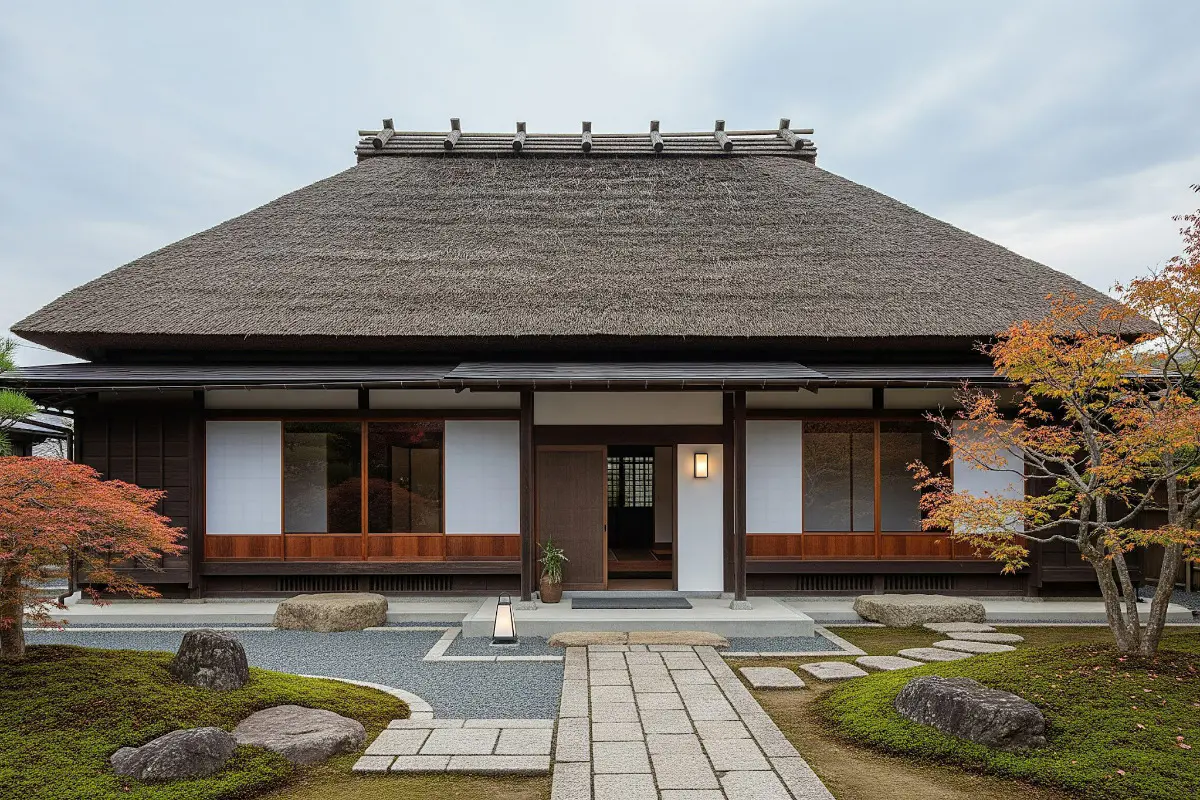
Some foreigners use the terms “akiya” and “kominka” interchangeably, but they refer to different concepts. An akiya generally means a house that has been unoccupied for over a year. In contrast, a kominka doesn’t have a strict legal definition, but it typically refers to a traditional Japanese wooden house that is more than 50 years old and built using historic construction methods. These homes often feature thatched roofs, thick wooden beams, and earthen walls—characteristics of classic Japanese architecture—and may even have cultural or historical value. Some kominka are also recognized as cultural assets or are part of local revitalization projects, which can make renovation approval and resale conditions different from ordinary akiya.
For more information about traditional homes, see our article on Kominka in Japan
Research Carefully Before Buying an Akiya in Japan
While the low prices of akiya in Japan can seem appealing, rushing into a purchase without understanding the hidden costs—such as renovation, maintenance, or local regulations—can lead to significant financial burdens later on. Before buying, it’s essential to investigate the property’s condition, ownership status, and any municipal restrictions to make an informed, long-term decision.
For those purchasing real estate in Japan for the first time, working with trusted professionals or real estate agents experienced in assisting international buyers can make the process much smoother. Visit Japan Property to explore available akiya listings and connect directly with licensed agents who assist international buyers from start to finish. Take advantage of these resources to find the right property for your needs.