
Buy Kominka in Japan: Benefits, Costs & How to Buy a Traditional House in Japan
Oct 13, 2025
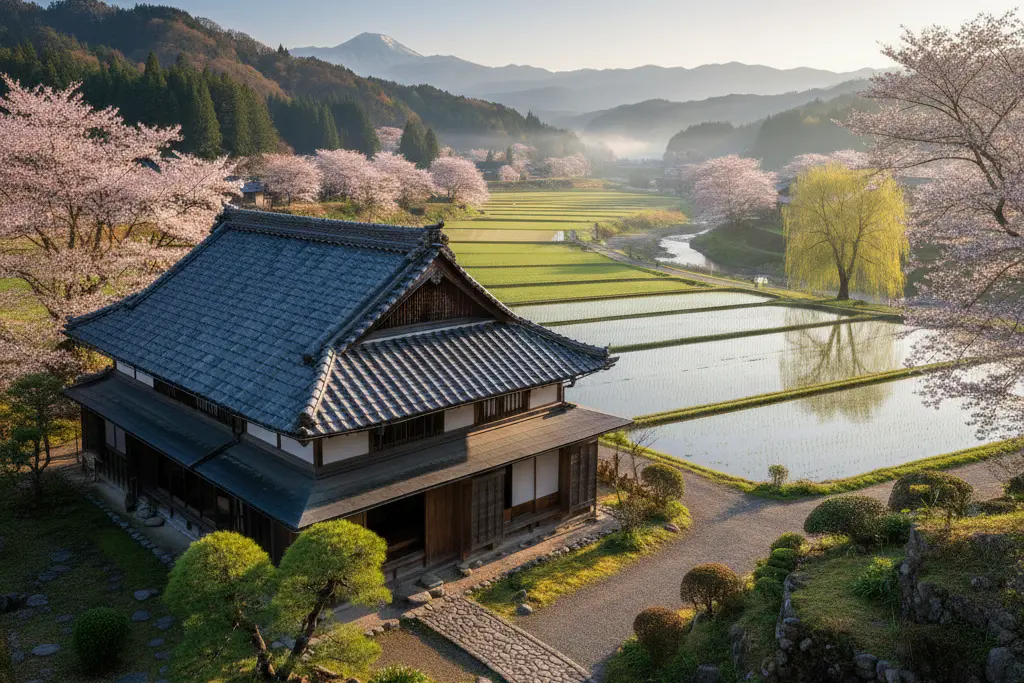
In recent years, the number of foreigners purchasing Akiya—vacant houses in Japan—has been rapidly increasing. Among them, traditional wooden homes such as Kominka and Kyomachiya have drawn particular attention for their historical and cultural value. If you’re looking to buy a Kominka in Japan or explore Akiya for sale in Japan, these traditional Japanese houses represent the most distinctive and culturally rich type of Akiya, admired for preserving Japan’s heritage.
Once regarded simply as “cheap properties,” Akiya are now being reevaluated as lifestyle assets that allow owners to live surrounded by Japanese culture—or even as long-term cultural investments. For many buyers in the U.S. and U.K., the shift has been driven by post-pandemic remote work, the appeal of sustainable living in Japan, and the desire for a calmer countryside lifestyle beyond Tokyo or Osaka.
Meanwhile, on platforms such as YouTube and social media, more foreigners are documenting their experiences of buying and renovating Kominka homes and sharing their slow-living journeys in the Japanese countryside. These real buyer stories (“how to renovate a Kominka,” “cost to restore a traditional Japanese house”) attract global interest and help establish “Kominka” as a recognizable search term and brand.
What Is a Kominka? Structure and Aesthetics
While there is no strict legal definition, the term Kominka generally refers to traditional wooden houses built before 1950 using age-old Japanese techniques. These structures are assembled with joinery methods rather than nails, relying on interlocking wooden joints (Kigumi) to create strong yet flexible frameworks. Natural materials such as solid timber, earthen walls, and thatched roofs are key features of their design. This is the classic “traditional Japanese house” many overseas buyers search for.
Common architectural characteristics include:
- Traditional joinery: high-precision craftsmanship without metal fasteners
- Natural materials: “breathing” walls and beams that regulate humidity for a healthy living environment
- High ceilings and thick beams: designed for airflow and cooling during hot summers
- Engawa verandas and earthen floors: integrating seasonal light, wind, and nature into daily life
- Regional adaptation: architectural variations suited to local climates—from snowy regions to coastal areas
This design philosophy reflects centuries of wisdom in living harmoniously with Japan’s climate and nature, aligning with today’s interest in eco-friendly homes and low-waste renovation.
Who Buys Kominka? Two Main Types of Foreign Buyers
Foreign buyers of Kominka generally fall into two main groups: lifestyle seekers and strategic investors. Understanding which group you fit into will shape your budget, renovation scope, and location strategy.
Lifestyle Seekers
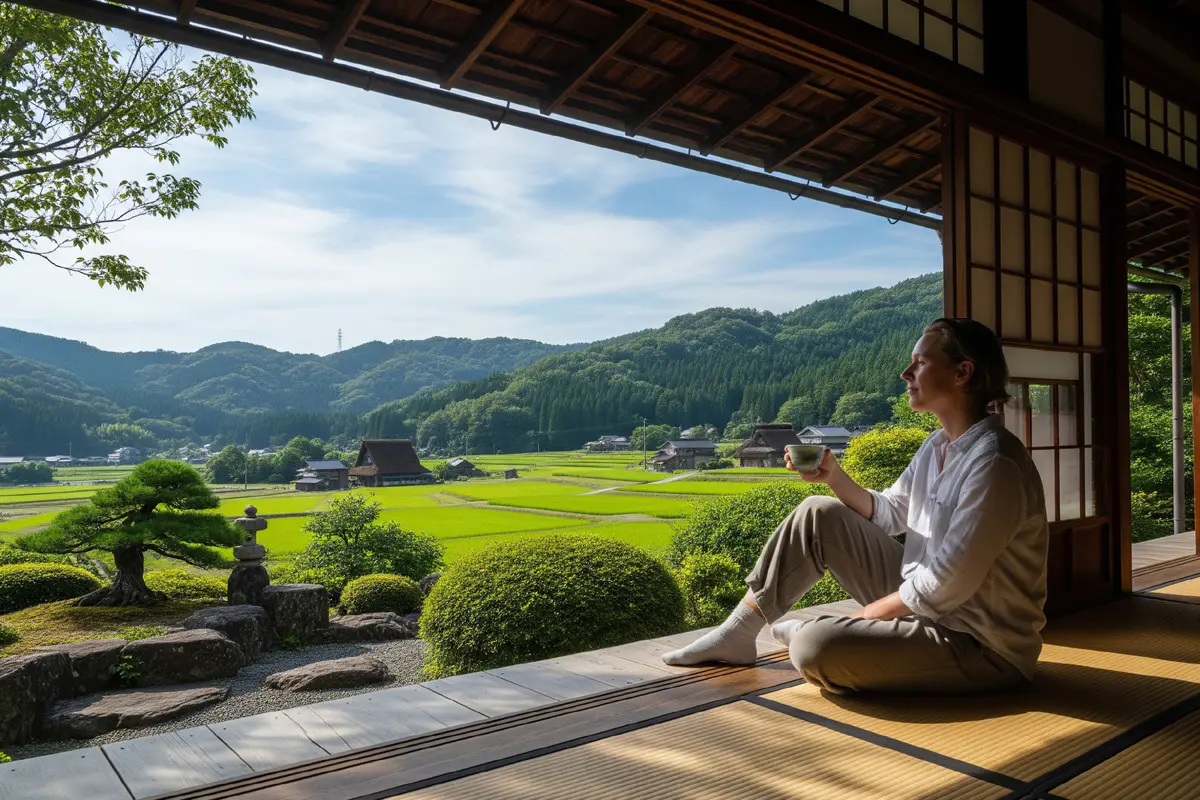
This group seeks a life that connects deeply with Japan’s seasons, nature, and culture. Many choose to leave the hustle and bustle of cities like Tokyo or Osaka and work remotely from the countryside. For them, a Kominka is a sanctuary in the digital age—a place where they can slow down and reconnect with time itself. Features such as wood-burning stoves, traditional hearths, and the soft light filtering through shoji screens create a sense of calm and nostalgia that modern homes rarely provide. Popular searches include “quiet towns near Tokyo,” “best areas to live with nature,” and “internet speed in rural Japan.”
Strategic Investors
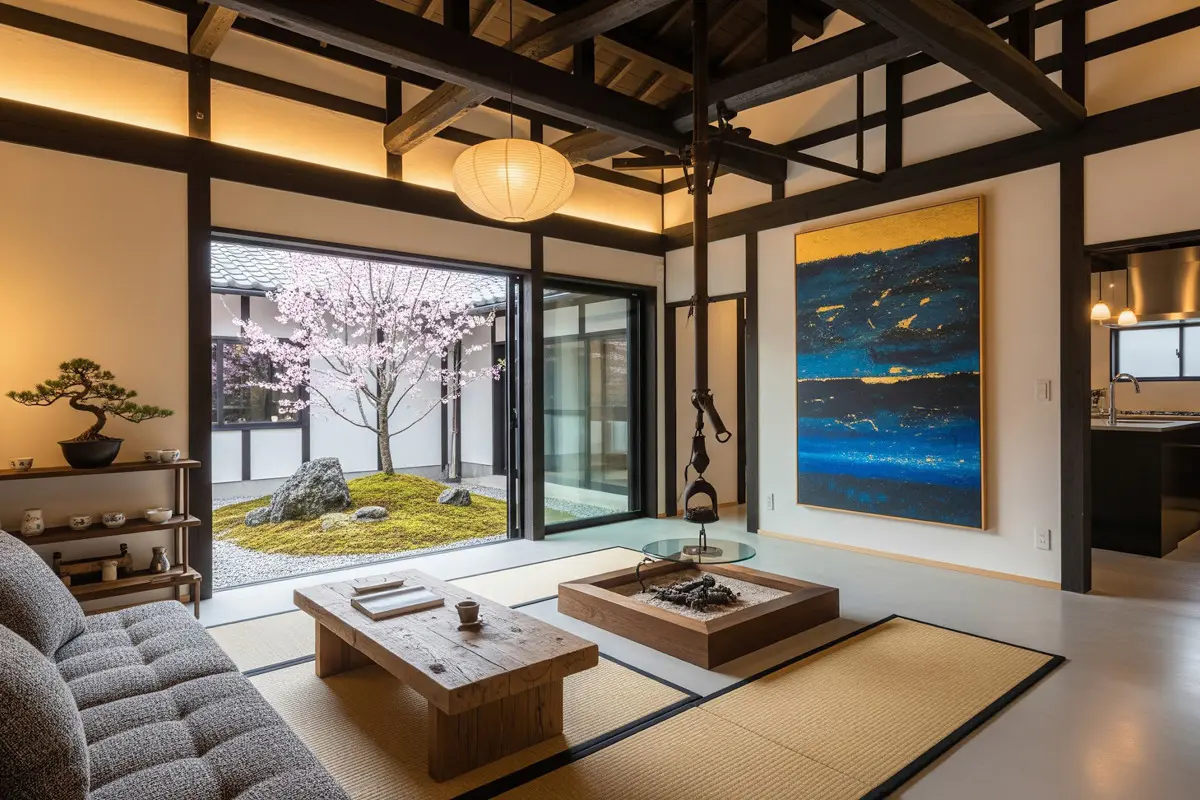
At the same time, more investors are seeing Kominka as viable income properties. In tourist cities such as Kyoto and Kanazawa, many historic homes—some located in designated cultural or scenic districts—are being renovated into high-end vacation rentals or boutique machiya hotels. It’s not uncommon for transactions to range from tens of millions to over one hundred million yen, as these properties combine cultural heritage with long-term asset value. Investors often target “Kyomachiya for sale,” permits, and projected daily rates before acquisition.
However, the broader rural Kominka market still faces challenges such as Japan’s conventional depreciation system, population decline, and limited transportation access. Because of these factors, short-term price gains are unlikely, making a long-term, lifestyle-driven investment approach essential. Plan for a realistic renovation budget and holding period rather than quick flips.
Why Kominka Are Capturing Global Interest
Foreigners are drawn to Kominka not merely because they are “old Japanese houses,” but because they embody a unique blend of structural durability, aesthetic beauty, and cultural meaning. For many U.S./U.K. buyers, that mix delivers both emotional value and long-term resilience.
Wood species such as Japanese cypress (Hinoki) and zelkova (Keyaki) actually increase in strength over time—reaching peak durability around 100 years after harvest and remaining stable for centuries. In this sense, Kominka homes are buildings that mature with time. This mindset is similar to the Western appreciation for “vintage architecture,” where restoration enhances, rather than diminishes, a property’s value. That’s why searches like “restore a traditional Japanese house” keep rising.
Each Kominka also reflects the regional culture and craftsmanship of its area. From the machiya townhouses of Kansai to the steep-roofed homes of Shirakawa-go and the single-story farmhouses of Kyushu, local variations showcase Japan’s architectural diversity. Features such as tatami-floored rooms, Engawa verandas overlooking gardens, and intricately carved Ranma panels convey a serene, harmonious beauty that deeply resonates with many foreign admirers. If you value authenticity and design, Kominka offers a unique living experience you can’t replicate with new builds.
How Kominka Are Being Used After Renovation
Case A: Second Homes and Private Residences
For many foreigners, a Kominka offers an ideal retreat or long-term base in Japan. Working while surrounded by nature and the changing seasons provides a rare quality of life. In Western countries especially, owning a home that embodies “authentic Japanese tradition and nature” has become a symbol of prestige, fueling demand for Kominka as vacation or second homes. When comparing areas, check healthcare access, snow load, and commute options from the nearest shinkansen station.
That said, maintenance can be challenging. Moisture damage, termites, and security risks during long absences are real concerns. Recently, however, professional property management services that handle cleaning, inspections, and repairs on behalf of overseas owners have become increasingly common. Ask for bundled services and remote monitoring to lower hassle and annual costs.
Case B: Commercial Use (Cafés, Inns, Studios, etc.)
The nostalgic charm and “otherworldly” ambiance of Kominka make them perfect for hospitality, dining, and tourism businesses. Renovated Kominka cafés and galleries often become local landmarks that attract both tourists and residents. Some have even been transformed into community hubs hosting craft markets and cultural events, contributing to regional revitalization. Before purchase, validate local demand, seasonality, and nightly rate ceilings.
However, converting a Kominka for commercial use involves navigating Japan’s building codes, fire safety laws, and zoning regulations. If the property lies within a cultural preservation or scenic district, owners should expect to coordinate with local authorities and explore subsidy programs where available. Factor approval timelines and compliance costs into your underwriting.
Living in a Kominka: Pros and Cons
Advantages
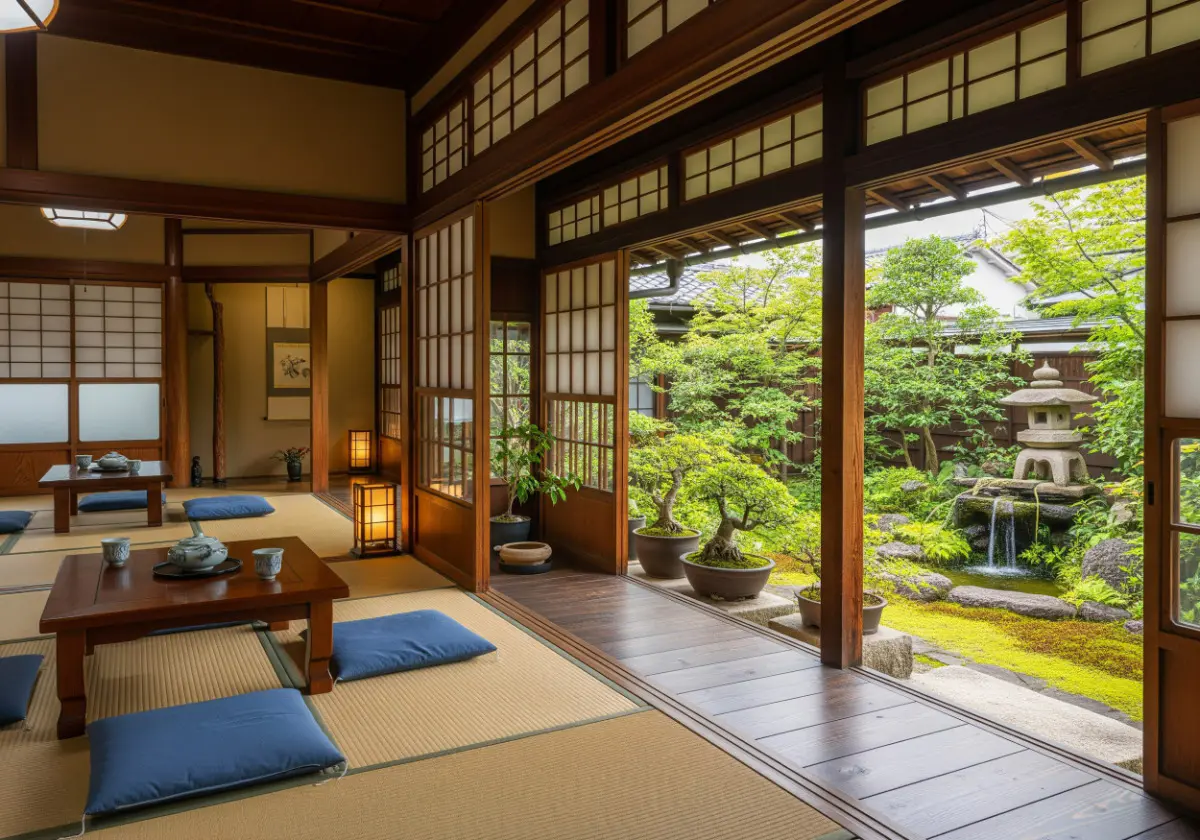
- Spacious layouts and harmony with nature
Sliding doors and paper screens can be opened to create airy, light-filled spaces where indoor and outdoor life blend seamlessly. Large gardens and open layouts make Kominka ideal for families or anyone seeking room to breathe. Features like wide Engawa corridors and traditional earthen kitchens add a nostalgic touch that modern homes often lack. This is a key reason many overseas searches include “traditional Japanese house with garden.”
- Tranquility and design appeal
The natural scent and warmth of wood and clay walls promote relaxation. Living in a Kominka feels like dwelling inside a peaceful café or retreat space—comforting yet inspiring. Design-forward buyers often prioritize original beams, Ranma, and shoji condition.
- Cool and airy in summer
Traditional wooden construction allows excellent ventilation, keeping interiors comfortable during Japan’s humid summers. The seamless transition between indoors and outdoors lets residents enjoy garden views and fresh air all year round. Add screens and ceiling fans to optimize airflow without major alterations.
- Sustainable lifestyle
Renovating rather than rebuilding reduces material waste and supports eco-friendly living. Kominka represent a practical path toward sustainability. Salvage and reuse strategies can also preserve character while cutting costs.
- Cost advantages
Because of their age, Kominka often come at lower purchase prices, and their property taxes are relatively modest compared with new constructions. Budget realistically for seismic upgrades, insulation, and plumbing/electrical modernization.
Disadvantages
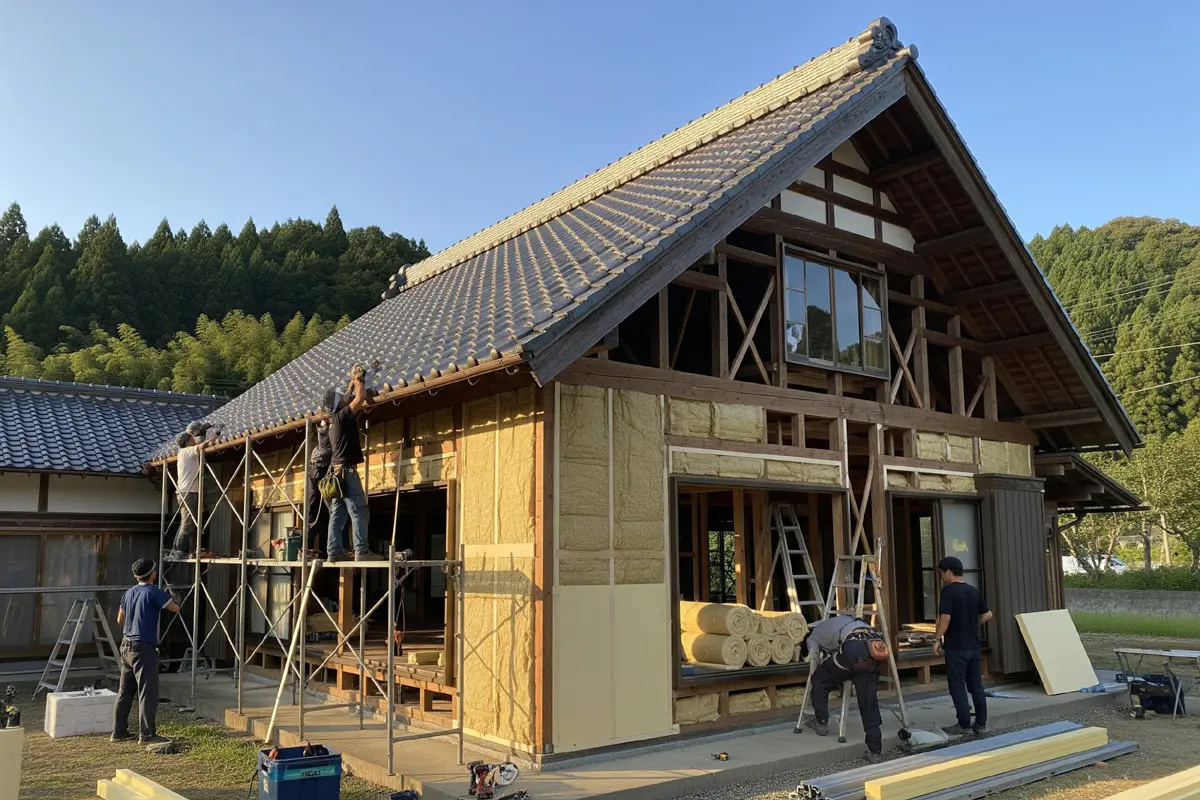
- Cold winters and poor insulation
While Kominka are pleasant in summer, their low airtightness makes heating less efficient in winter. Without proper insulation or renovation, the interiors can feel quite cold in northern regions. Plan for double-glazing, draft-proofing, and floor insulation in colder climates.
- Incomplete infrastructure
In some rural areas, modern utilities such as public water, sewage, or city gas may not be available, requiring additional installation of wells, septic tanks, or propane systems. Electricity and internet connections may also be unstable in remote or island regions—important considerations for anyone planning to operate a café or lodging business. Confirm fiber availability and backup power options before you buy.
- Earthquake and security concerns
Many Kominka were built before Japan’s modern earthquake standards and may require seismic reinforcement. Their open layouts with multiple entry points can also pose security challenges, so both structural and safety upgrades are recommended. Obtain a seismic assessment and line-item quotes from licensed contractors.
- Uncertain renovation costs
Severely aged properties can require extensive restoration—sometimes exceeding the cost of a new build. It’s essential to have a professional inspection before purchase to estimate necessary repairs and set a realistic renovation budget. Ask for a phased scope (must-have vs. nice-to-have) and contingency of 10–20%.
Conclusion
Buying a Kominka is far more than a real-estate transaction—it’s a cultural investment in preserving Japan’s heritage, craftsmanship, and local identity. At the same time, it aligns with the global trend toward sustainable and mindful living. With proper renovation and professional support, a Kominka can become more than just a home—it can be a source of both financial value and emotional fulfillment. If you’re ready to explore Akiya for sale in Japan or want guidance on how to buy a traditional Japanese house, a Kominka may be the perfect fit.