
Houses for Rent in Japan: Tokyo vs. Countryside
Oct 23, 2025
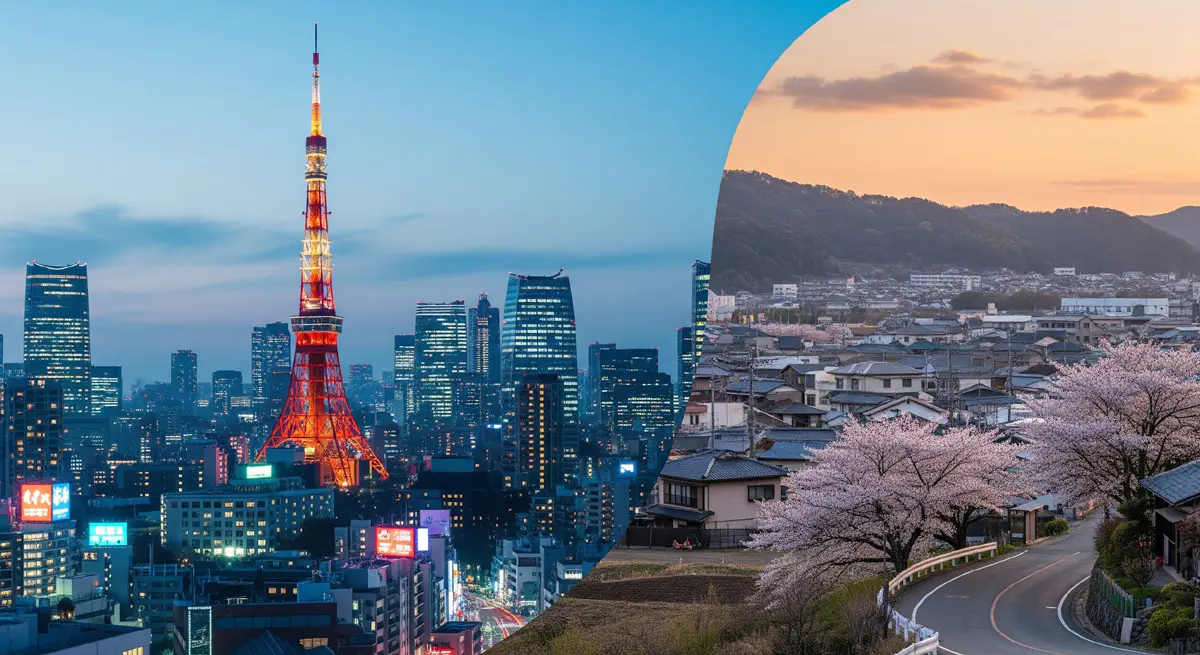
For many foreigners considering life in Japan, one of the biggest questions is whether to live in a major city like Tokyo or in the peaceful Japanese countryside. This decision is a crucial first step, especially for those still finalizing their plans for work, study, or long-term residency.
In this article, we’ll compare Tokyo and regional Japan—including both major regional cities and rural towns—looking at rent prices, living environments, and how foreigner-friendly each area is. We'll explore the unique appeal and key considerations for both city and country life, helping you find the perfect lifestyle—and home—when searching for houses for rent in Japan.
Differences in Rent Prices Between Tokyo and the Japanese Countryside
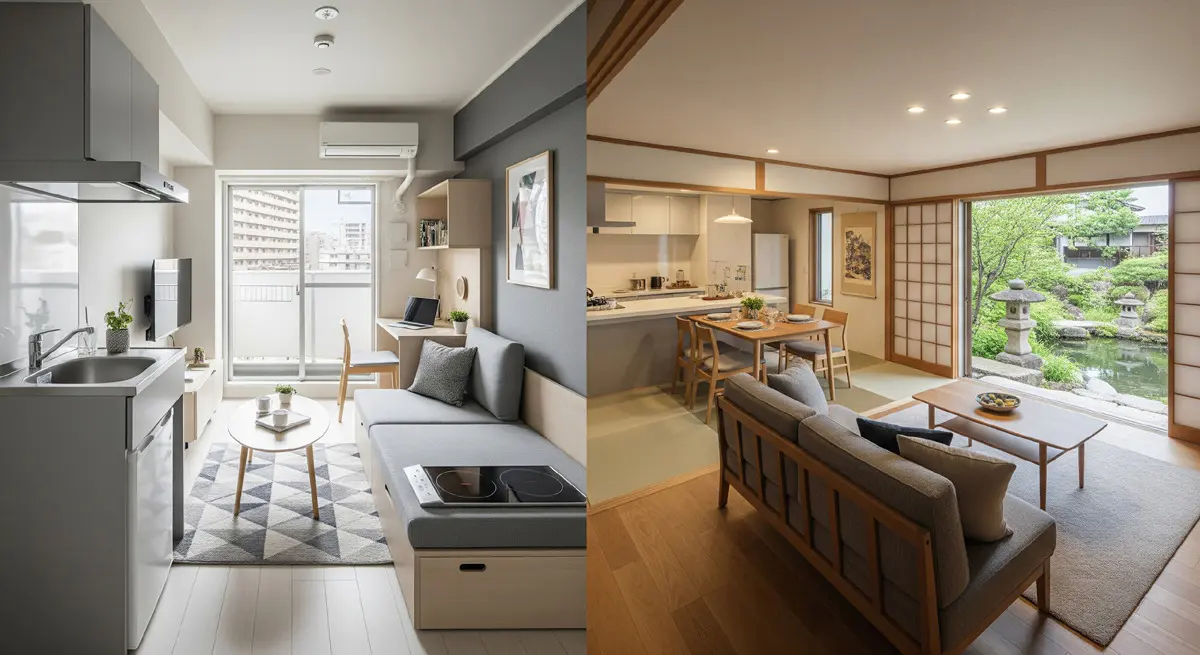
When looking for houses for rent in Japan, one of the first questions foreigners ask is, “How much does rent cost?” In this section, we’ll compare average rental prices in Tokyo with other regions to help you understand the cost of living differences across Japan.
Average Rent Prices in Tokyo
Tokyo has the highest rent prices in Japan. In popular neighborhoods such as Roppongi, Shibuya, and Setagaya, even small 1K or 1LDK apartments typically range from ¥150,000 to ¥250,000 per month (approx. USD 1,000–1,700/month). Because land is limited in central Tokyo, most rental options are apartments, not houses. Detached homes for rent are rare and tend to be very expensive. In outer wards like Nerima or Edogawa, you can still find 1LDK apartments from around ¥100,000, offering slightly more space for the price. In general, Tokyo properties are compact, and rent increases significantly for desirable features like proximity to a station or a newly built apartment.
Average Rent Prices in the Japanese Countryside (Fukuoka, Sapporo, Hiroshima, and Rural Areas)
Outside Tokyo, rent prices are much lower. In some regions, you can rent a spacious detached house with a garden for the same cost as a small one-room apartment in Tokyo. The term “countryside” here includes not only nature-rich rural towns but also large regional cities such as Fukuoka, Sapporo, or Hiroshima. In these areas, average monthly rent for an apartment typically ranges from ¥50,000 to ¥100,000, while in smaller towns you can often find larger properties for even less.
Pros and Cons of Living in a Tokyo Rental as a Foreigner
As Japan’s capital and its economic and cultural center, Tokyo is a top choice for many foreigners. Here, we’ll outline the main pros and cons for those searching for houses for rent in Tokyo Japan, focusing on the convenience and opportunities that come with urban living.
Pros
The biggest advantage of living in Tokyo is its exceptional transportation system. The city’s extensive train network allows residents to travel quickly between major districts. Tokyo also offers many English-speaking hospitals, administrative services, and international schools, making it one of the easiest cities in Japan for foreigners to live comfortably. Additionally, Tokyo provides countless business and entertainment opportunities, offering great potential for career growth and international networking.
Cons
While convenient, Tokyo rentals tend to be smaller than in other regions for the same budget. For example, a 1LDK apartment in Tokyo typically measures around 30–40㎡ (about 320–430 sq ft). The overall cost of living is also higher—everything from dining out to daily necessities costs more than in regional cities. Other downsides include crowded public spaces, limited access to nature, and the general hustle and bustle of city life.
Voices from Foreigners Living in Tokyo
“Transportation is incredibly convenient, and there are plenty of English-speaking hospitals and offices—it’s very comfortable to live here.” (USA, 30s, IT Engineer)
“There are many foreigners, so it’s easy to find friends from my home country.” (Philippines, 20s, Student)
“There are so many job opportunities, and I feel salaries are higher here than in other regions.” (India, 40s, Engineer)
“The cost of living is high, but Tokyo offers amazing entertainment and a diverse food scene.” (France, 30s, Designer)
“Tokyo is so safe that I can walk around at night without worry. I was surprised when my lost wallet was returned!” (UK, 30s, Teacher)
“There are many international schools, so it’s a great city for expat families.” (Australia, 40s, Expat)
“One challenge is the size of apartments—it takes some time to get used to smaller spaces.” (Germany, 30s, Researcher)
Pros and Cons of Living in the Japanese Countryside as a Foreigner
For those who value space and a connection to nature, living in regional or rural Japan offers a completely different lifestyle compared to Tokyo. Here, we’ll highlight the main advantages and key considerations when choosing houses for rent in Japan’s countryside.
Pros
The biggest benefit of rural living is affordability and spacious housing. You can often rent a detached house with a garden or multiple rooms for the same price as a one-room apartment in the city. Surrounded by nature, you can enjoy a quiet, relaxed lifestyle while experiencing the beauty of Japan’s four seasons. Many rural areas also have strong community ties, offering a warm and welcoming environment where neighbors often support one another.
Cons
On the other hand, many rural regions have limited public transportation, often making a car essential for daily life. English-speaking hospitals or government offices are also scarce, so language barriers can be a significant challenge. Additionally, because there are fewer international communities, job opportunities and chances for global interaction may be limited.
Voices from Foreigners Living in Rural Japan
“Living in a house with a big garden was my dream. It wasn’t possible in Tokyo, but it came true in the countryside.” (USA, 40s, Family)
“I enjoy working remotely in a peaceful, nature-filled environment. The rent is low, and my living costs have gone down.” (Canada, 30s, Engineer)
“The air is fresh, and I spend my weekends hiking and visiting hot springs.” (Germany, 40s, Designer)
“The locals are incredibly kind and often invite me to community events.” (Taiwan, 50s, Retiree)
“Prices are lower than in Tokyo, and the local vegetables and fish are so fresh and delicious.” (France, 30s, Chef)
“Not everyone speaks English, but that actually motivates me to improve my Japanese.” (Malaysia, 20s, Student)
“Public transport is limited, so having a car is almost a must.” (UK, 30s, Remote Worker)
Which One Is Right for You? House for Rent in Tokyo or the Countryside?
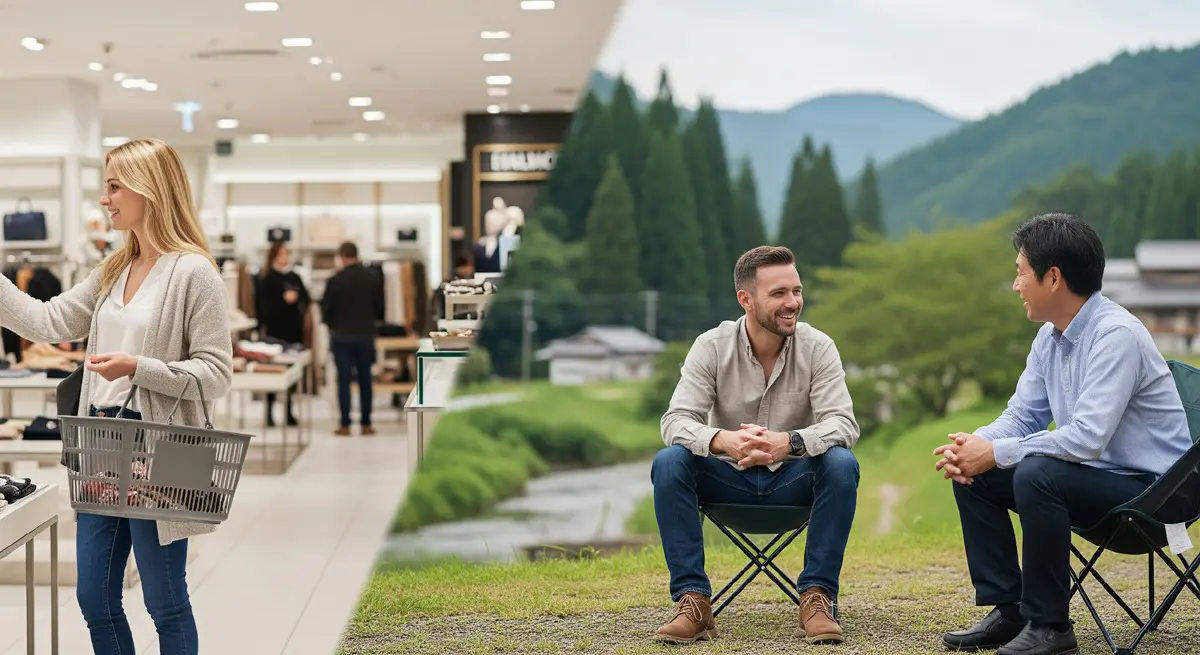
When deciding where to live in Japan, your ideal home will depend on what you value most: convenience, international environment, or space and nature. Tokyo offers excellent transportation, large international communities, and plenty of foreigner-friendly support. In contrast, Japan’s countryside and regional cities have fewer English-speaking services, and finding administrative or medical support can be challenging, especially for newcomers. If you’ve never visited Japan and are considering the countryside, it’s a good idea to try a short-term stay for a few months to experience the lifestyle and environment firsthand.
Common Challenges Foreigners Face When Renting a Home in Japan
While it’s definitely possible for foreigners to find houses for rent in Japan, the rental process has unique rules and procedures that differ from other countries. Knowing what to expect in advance can help you avoid confusion.
Can Foreigners Rent a House in Japan?
Yes—foreigners can rent houses and apartments in Japan. However, many landlords require a Japanese guarantor or the use of a guarantor company as part of the contract. Because of language barriers and cultural differences, it’s often best to work with a real estate agent experienced in helping foreigners. For more information about the application process, required documents, and rental costs, please refer to our related guides.
Initial Costs and Contract Details
In Japan, rental contracts often include several unique upfront fees, such as a deposit (shikikin), key money (reikin), and an agency fee. The deposit is typically used for cleaning and repairs when you move out, while key money is a non-refundable payment to the landlord, often described as a gesture of gratitude. In Tokyo, these initial costs can amount to four to six months’ rent, making it more expensive than in most other regions. For a detailed explanation of the deposit and key money system—and for tips on how to save—check out our dedicated guide.
Conclusion | Tokyo vs Countryside
Both Tokyo and the Japanese countryside (including regional cities like Fukuoka, Sapporo, and Hiroshima) offer distinct advantages, and the best choice depends on your lifestyle and priorities. If you value convenience, career opportunities, and an international environment, Tokyo may be the right fit. If you prefer space, nature, and a slower pace of life, the countryside might suit you better.
Visit Japan-Property to explore English-friendly houses for rent in Japan—whether in Tokyo or regional towns—and connect with trusted agents experienced in helping international renters. Even if it’s your first time living in Japan, this professional support will help you find the ideal home with confidence.