
Best Places to Live in Japan: A Guide to Six Popular Cities for Expats and Investors
Jul 29, 2026
Japan offers a wide range of cities that appeal to expats and investors from around the world, from global business hubs like Tokyo to regional cities with a lower cost of living. When choosing where to live, it's important to consider factors such as living expenses, transportation, safety, healthcare, and job opportunities.
In this guide, we explore Tokyo, Yokohama, Osaka, Kyoto, Fukuoka, and Nagoya, highlighting why they are among the best places to live in Japan. We also cover key considerations for overseas investors interested in Japan's real estate market.
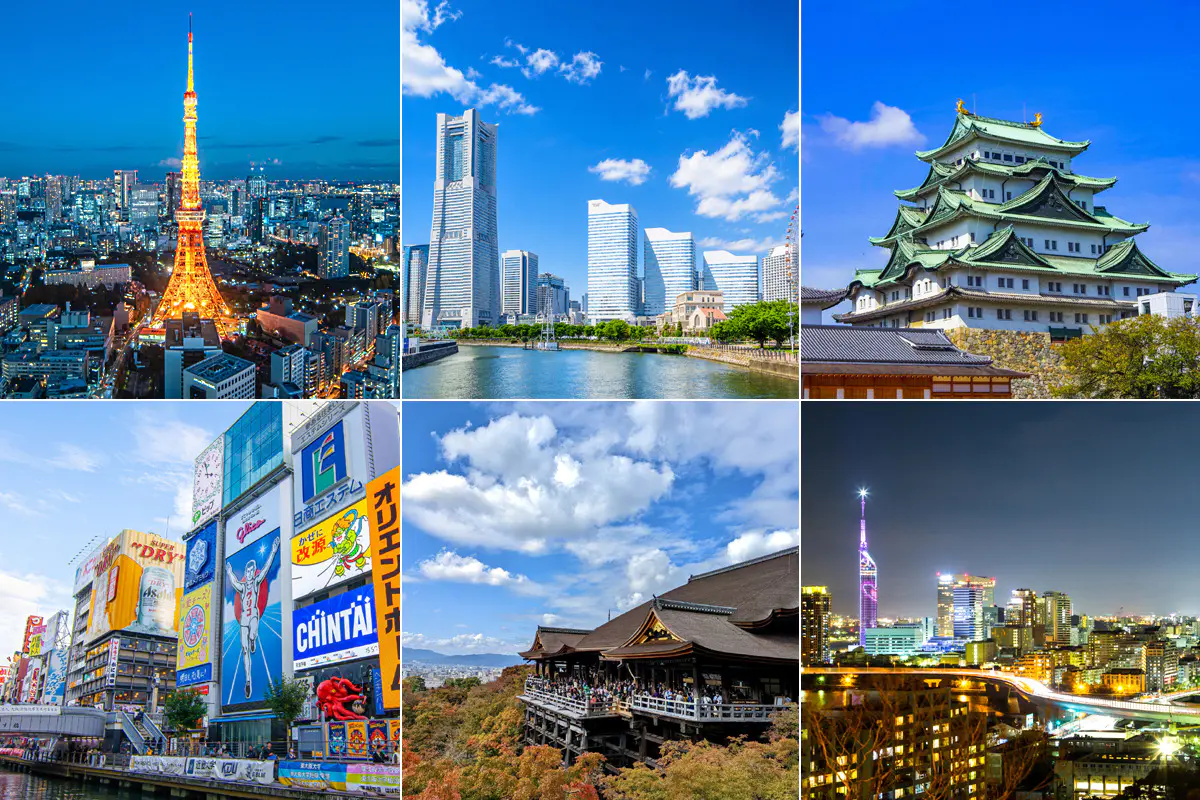
Explore properties across Japan on Japan Property
Major Cities in Japan That Are Popular with Expats
Japan offers a variety of cities that suit different lifestyles, from sprawling megacities to more affordable regional cities. As a result, there are many things to consider when searching for the best places to live in Japan.
Below, we introduce six of the best cities in Japan for foreigners and international residents. We also highlight each city's real estate market and investment potential for those considering buying property in Japan.
Tokyo | Japan's Largest City for Careers, Convenience, and International Living
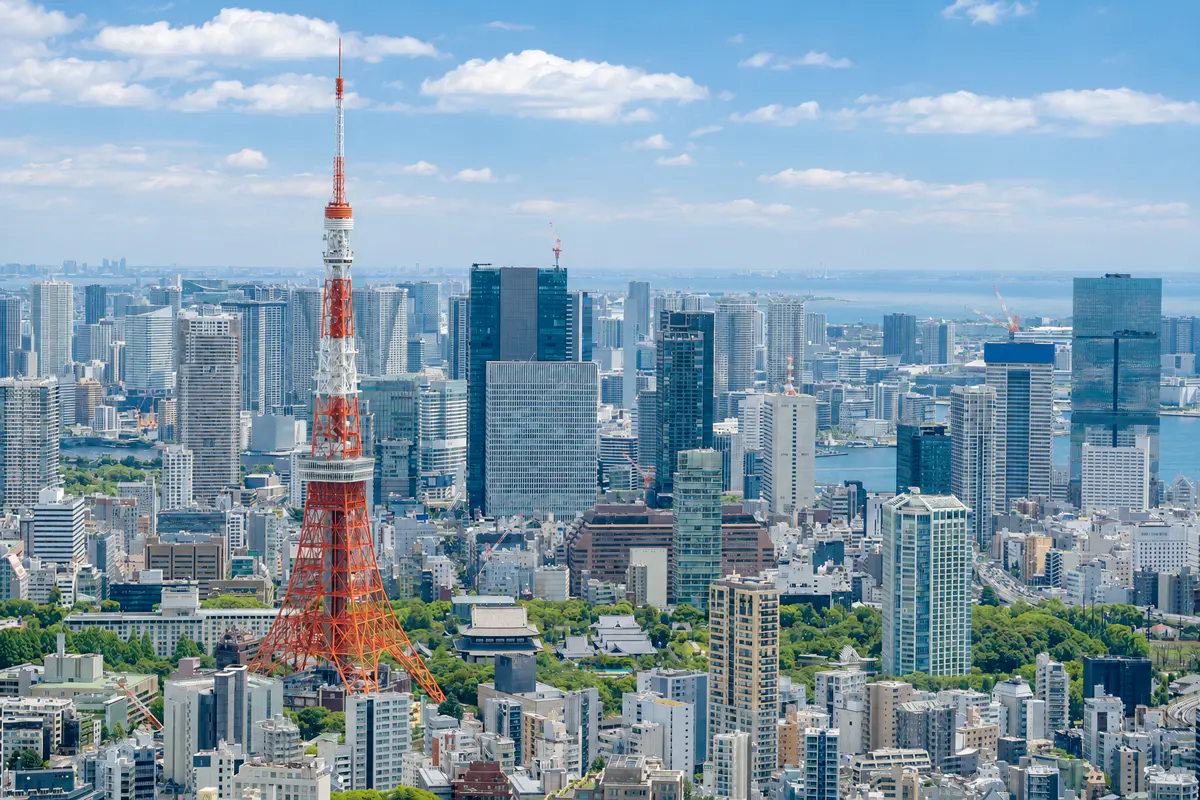
Tokyo is Japan's economic and business center, offering abundant job opportunities, world-class public transportation, excellent healthcare, and extensive shopping and dining options. Neighborhoods such as Minato, Shibuya, and Setagaya are especially popular with expats and international families, thanks to their international communities and English-friendly environments.
With approximately 720,000 foreign residents as of January 2025, Tokyo has Japan's largest international population, reflecting its strong appeal as one of the best places to live in Japan.
Tokyo is home to the prestigious American School in Japan, one of several international schools that make the city an especially attractive option for expat families.
While Tokyo offers exceptional convenience, it also has some of the country's highest housing prices. For investors, however, its strong rental demand and long-term property value make it one of Japan's most attractive real estate markets.
Learn more about Tokyo's real estate investment market
Explore luxury apartments in Tokyo for international buyers
Yokohama | Easy Access to Tokyo with a More Relaxed Living Environment
Yokohama offers a strong balance between convenient access to Tokyo and a more relaxed residential atmosphere. Compared with central Tokyo, it feels more spacious, with waterfront views, parks, shopping centers, and other amenities that support a comfortable urban lifestyle.
As a historic port city, Yokohama also has an international feel. With about 120,000 foreign residents as of the end of 2024, it is one of the major expat-friendly cities in the Greater Tokyo area.
For real estate investors, Yokohama may appeal to foreign families and long-term residents who seek access to Tokyo without living in the city center.
Learn more about real estate investment areas in Yokohama
Osaka | A Major City in Western Japan with Strong Convenience and Better Cost Balance
Osaka is the economic and commercial center of western Japan, known for its convenient transportation, extensive train and subway network, and wide range of shopping and dining options. For foreign residents who value everyday convenience, Osaka offers a highly livable urban environment.
As of the end of 2025, Osaka City had 214,337 foreign residents, making it one of Japan's leading designated cities for international residents. This reflects its strong appeal for work, daily life, and community — all important factors when choosing the best place to live in Japan.
Compared with Tokyo, property prices in Osaka are generally more accessible, while demand remains supported by business, commerce, and urban convenience. For investors, Osaka is a strong option for balancing property costs with rental demand.
Learn more about residential investment areas in Osaka
Kyoto | An International Tourism City Where Japanese Culture Is Part of Daily Life
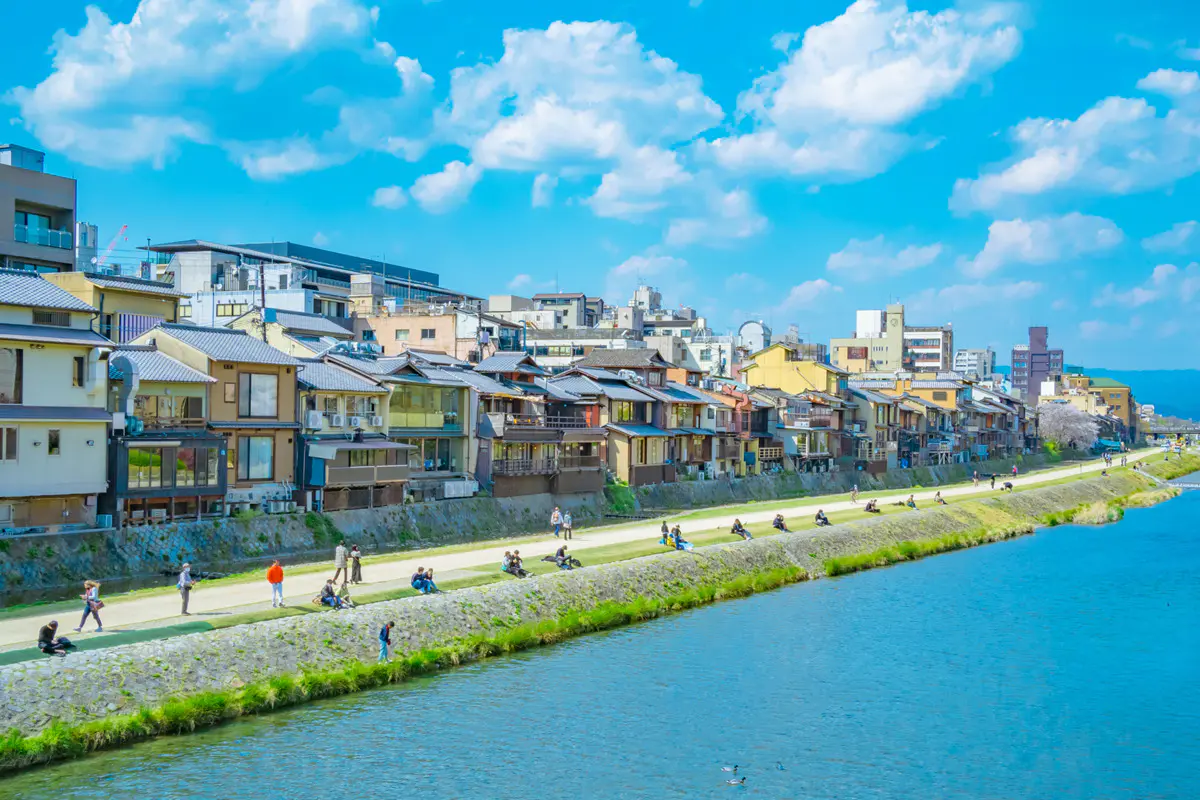
Kyoto is one of Japan's best-known cultural cities, offering historic streetscapes, temples, shrines, and a traditional Japanese atmosphere. It is a good fit for people who want to live in a place where culture and history are part of everyday life.
According to Kyoto City's 2024 tourism survey, the city welcomed 10.88 million international visitors and 8.21 million international overnight guests in 2024, both record highs. This strong global recognition is one of Kyoto's defining strengths.
Kyoto is also home to many universities and research institutions, creating demand not only from tourists but also from long-term residents, researchers, and education professionals. While crowding in tourist areas is something to consider, Kyoto offers a distinctive market for investors who value cultural appeal and city branding.
Explore Kyoto's living environment and real estate market
Fukuoka | A Compact, Livable Regional Hub with Lower Living Costs
Fukuoka is gaining attention as one of the best cities in Japan by offering a strong balance of urban convenience and lower living costs. With quick access from the airport to the city center and a compact layout of shops, restaurants, and business districts, it suits people who want an efficient, easy-to-navigate lifestyle.
Fukuoka has also been selected as one of Japan's Startup Ecosystem Hub Cities, supporting its growth as a business-friendly destination. The city's population is projected to peak at around 1.7 million around 2040, indicating continued urban growth.
Compared with Tokyo and Osaka, Fukuoka generally offers lower living costs and more accessible property prices. For real estate investors, it is a practical market to consider for long-term growth potential.
Discover why Fukuoka is attracting real estate investors
Nagoya | A Stable City Backed by a Strong Industrial Base
Nagoya is the largest city of the Chubu region, located between Tokyo and Osaka. With convenient transportation, strong commercial facilities, and well-developed daily infrastructure, it is well suited for people who value stability and everyday livability over tourist appeal.
The city is also supported by a major manufacturing base, especially the automotive industry. Aichi Prefecture is home to Toyota Motor Corporation and many other automotive-related companies, and JETRO recognizes the region as a global hub for the automotive and related industries.
Because of this strong industrial base, Nagoya can attract business professionals, corporate employees, and long-term tenants. For investors, it may be a good fit for those seeking stable rental demand and long-term property ownership in one of the best places to live in Japan.
See Nagoya's real estate potential for long-term investment
How Overseas Investors Should Compare Japan's Most Livable Cities
When comparing the best places to live in Japan as a foreign buyer, look beyond property prices. Factors such as living costs, transportation, safety, healthcare, and the local expat community can influence both quality of life and long-term rental demand.
Define Your Goal | Personal Use or Rental Investment?
The best location depends on whether you plan to live in the property or rent it out.
If you're buying for personal use or long-term stays, consider factors such as daily convenience, airport access, healthcare, and overall living costs. For example, a monthly budget of around $2,000 may be realistic in some regional cities, while central Tokyo can be considerably more expensive.
If you're investing for rental income, consider your target tenants as well. Expats, families, business professionals, and long-term residents often have different housing needs, so choosing the right city and neighborhood is essential.
Understand the Type of Demand
Each city attracts a different type of demand. Tokyo and Yokohama are primarily supported by long-term residential demand, while Kyoto is better known for its tourism-driven market.
When comparing the best places to live in Japan, consider whether demand comes mainly from residents or short-term visitors. If your goal is stable rental income, cities with a strong base of long-term residents are generally a more reliable choice.
Balance Price and Long-Term Value
When comparing cities, don't focus on purchase price alone. Consider how affordability, livability, and long-term value work together. Cities with strong infrastructure and large expat communities often have higher property prices, but they also tend to offer more stable demand.
Tokyo is known for its higher prices and potential long-term value, while cities such as Osaka, Fukuoka, and Nagoya can offer a more balanced mix of affordability, convenience, and growth potential.
Learn about the total cost of buying property in Japan
Evaluate the Living Environment
A city's livability goes beyond transportation and living costs. Safety, healthcare, education, and the availability of an expat community are also important factors, especially for foreigners and other international residents.
Cities that offer a comfortable long-term living environment are often more attractive to families and long-term renters. When investing, look beyond a city's reputation and consider whether it is a place where people genuinely want to live for years.
What Overseas Buyers Should Check Before Purchasing Property in Japan
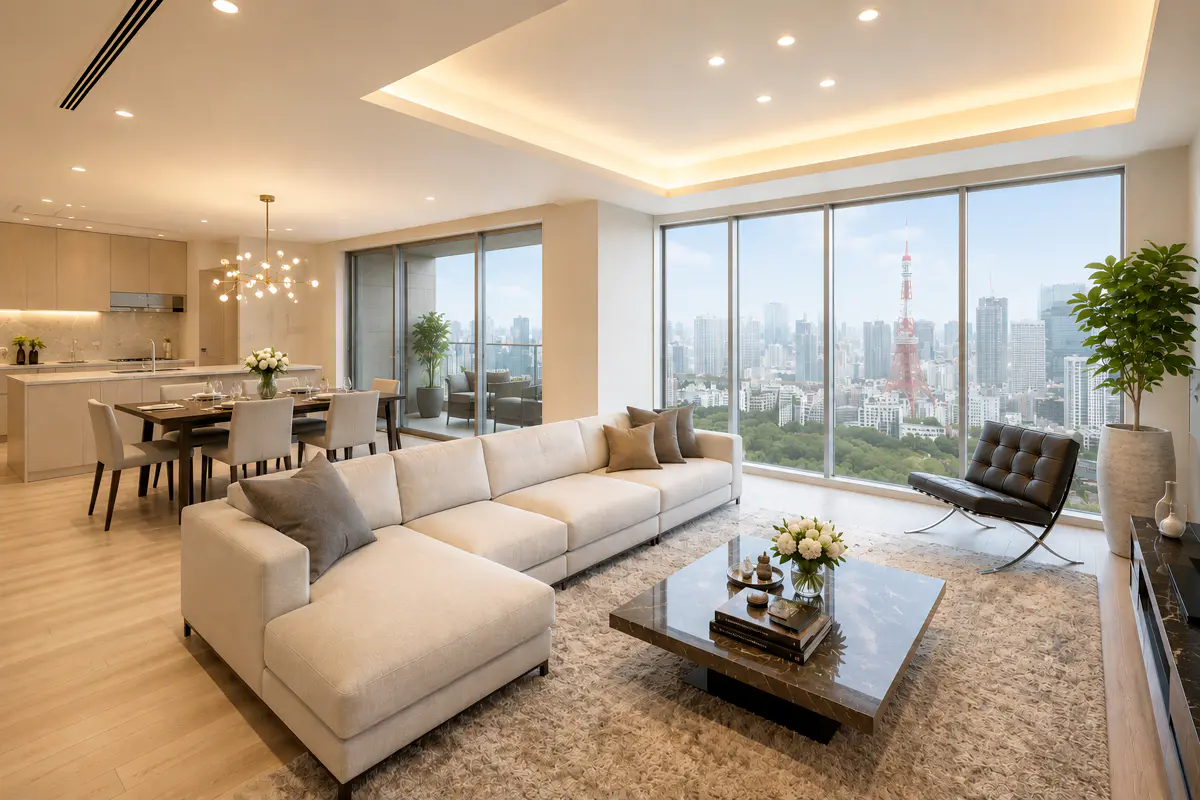
Foreigners can buy property in Japan, but overseas buyers should also consider the purchasing process, financing, taxes, and property management before moving forward.
The Buying Process | Can You Complete the Purchase from Overseas?
Many parts of the buying process can be handled from overseas, but it's important to understand the requirements in advance. Check which documents are needed, whether any in-person procedures are required, and whether the transaction can be completed online or by mail.
Working with a real estate company that provides English-language support can also make the process much smoother.
Learn how foreigners can get a home loan in Japan
Moving Your Funds | Plan for Currency Exchange and Transfer Costs
If you're buying property from overseas, you'll need to convert your home currency into Japanese yen. Exchange rates, transfer fees, and processing times can all affect your total costs.
In addition to the purchase price, remember to budget for closing costs such as registration fees, agent commissions, taxes, and insurance.
Ongoing Ownership | Property Management and Taxes
Owning property in Japan involves ongoing costs such as property taxes, management fees, and maintenance. If you plan to rent out the property, you'll also need support with tenant management, rent collection, and repairs.
For overseas owners, working with a reliable local property management company can make long-term ownership much easier.
Learn about Japan's property taxes for foreign owners
Conclusion
Japan offers a variety of cities that appeal to foreigners and international residents, each with its own strengths. When choosing the best place to live in Japan, the right choice depends entirely on whether you value career opportunities, affordability, cultural experiences, or long-term investment potential.
For overseas investors, livability is also an important indicator of rental demand and long-term property value. Japan Property provides property listings and local market insights to help overseas buyers find the right investment opportunities across Japan.