
Is Investing in Kamakura Real Estate Worth It? Prices, Neighborhoods, and Risks Explained
Jul 26, 2026
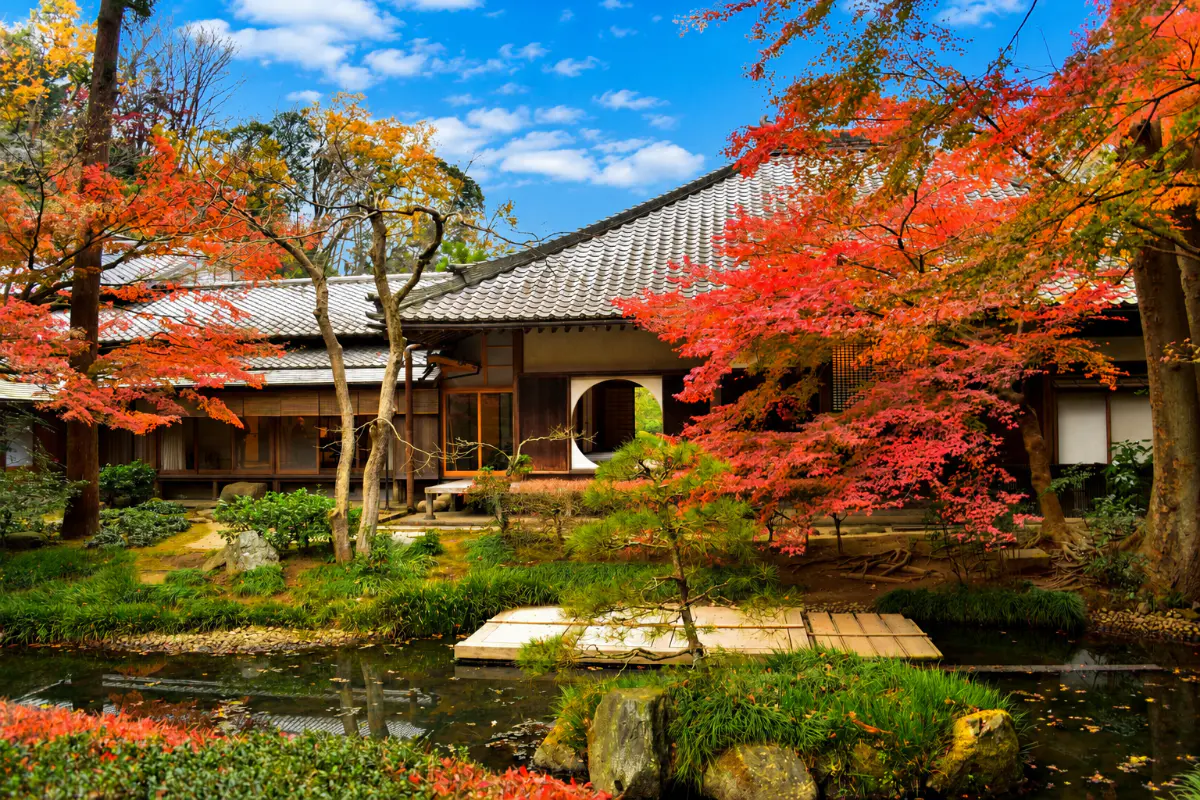
Kamakura is one of the most desirable residential areas near Tokyo, known for its unique blend of coastal scenery, nature, and historic charm. Once the political center of Japan during the Kamakura shogunate, established in 1192, the city still preserves many temples, shrines, and traditional streetscapes, earning it a reputation as the Kyoto of Eastern Japan. On clear days, residents can even enjoy views of Mt. Fuji, adding to Kamakura’s appeal among both domestic and international buyers.
The local housing market also has a distinctive character shaped by both primary residence demand and second-home ownership. As a result, buying property here often requires a different perspective than purchasing in a typical suburban area. At the same time, many buyers wonder: Is it expensive to live in Kamakura? Which neighborhoods are best? And how much do Kamakura houses for sale actually cost?
This article breaks down Kamakura real estate prices, neighborhood features, housing types, and key considerations for buyers looking to purchase property in the area.
View Kamakura Real Estate Listings
Key Characteristics of the Kamakura Real Estate Market
The Kamakura real estate market has a distinct character that sets it apart from both a typical Tokyo commuter town and a conventional tourist destination. With convenient access to central Tokyo, coastal scenery, and a historic atmosphere, Kamakura attracts overlapping demand from people looking for a primary residence, a second home, or an investment property. To better understand the market, it is helpful to look at Kamakura’s location, demand drivers, and potential property uses.
A Resort-Like Location Near Tokyo
Kamakura is about one hour by train from central Tokyo, yet it offers easy access to the ocean, nature, and historic streetscapes. This gives the city a rare position where everyday convenience and a resort-like lifestyle coexist. Many people live in Kamakura while commuting to Tokyo, while others use homes in the area as weekend retreats.
Because of this, Kamakura real estate is often valued not only as housing or an income-generating asset, but also as a lifestyle asset. Unlike markets such as central Tokyo, where yield and liquidity tend to be major considerations, Kamakura’s property prices are strongly influenced by the quality of the living environment and the appeal of the local area.
Demand from Affluent Buyers and International Visitors
Kamakura is widely recognized in Japan and overseas for its historical significance as a former capital and its coastal setting. This strong brand identity also influences the real estate market, supporting steady demand for second homes among affluent Japanese buyers. Rather than focusing only on investment returns, many buyers are drawn to the value of owning property in Kamakura and the experience of spending time there.
Kamakura is also popular among international visitors. For many travelers from the United States and Europe, it is one of the best-known cities for experiencing traditional Japanese culture. In 2024, Kamakura recorded approximately 15.94 million tourist visits, a 129.8% increase from the previous year. The recovery of events that had been suspended during the pandemic also contributed to this strong rebound. This recovery in tourism helps support Kamakura’s brand value and demand for accommodations in the area.
Against this backdrop, interest is not limited to domestic buyers. International investors are also paying attention to Kamakura. In a market where supply is limited, this high-quality demand can help support price stability.
A Hybrid Market for Living and Tourism
Another defining feature of the Kamakura housing market is its hybrid nature. Properties may serve as primary homes for families, weekend second homes, or short-term accommodations for visitors. This flexibility gives some properties multiple potential uses, which is less common in ordinary residential neighborhoods.
However, not every property can be freely converted to a different use. Depending on the neighborhood, building conditions, and local regulations on short-term rentals, there may be restrictions on how a property can actually be operated. For this reason, buyers considering Kamakura houses for sale should first clarify how they plan to use the property. The criteria for evaluating a home can vary significantly depending on whether it is intended for living, second-home use, or investment.
Read More About the Shonan Area Real Estate Market
Neighborhood Characteristics in Kamakura
Understanding the characteristics of each neighborhood is essential when exploring Kamakura real estate. Even within the same city, beachfront areas, neighborhoods with convenient station access, and quieter nature-focused districts differ significantly in pricing, buyer demand, and ideal property use. Below is an overview of some of Kamakura’s most well-known areas and the types of buyers they tend to attract.
Coastal Areas (Yuigahama and Zaimokuza)
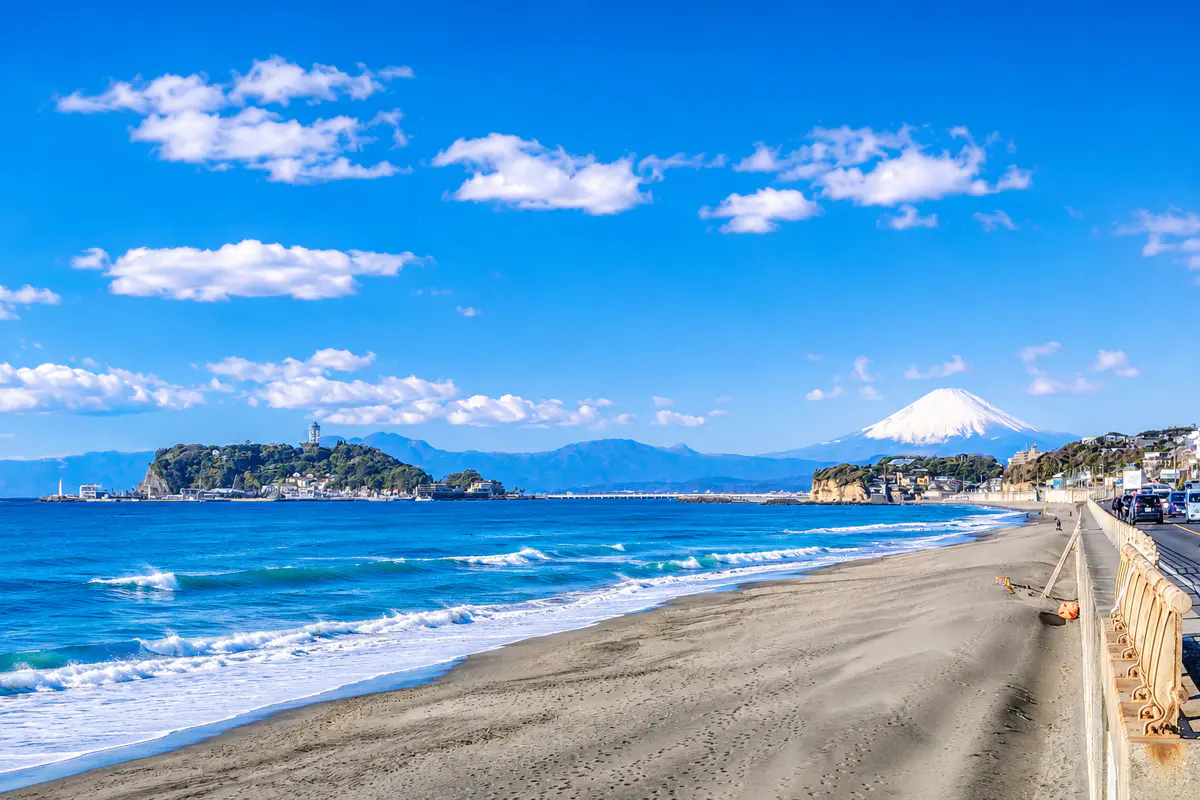
Beachfront neighborhoods such as Yuigahama and Zaimokuza are among the most desirable and expensive areas in Kamakura. Their proximity to the ocean offers a level of rarity that attracts buyers looking for open views, a relaxed atmosphere, and a resort-style lifestyle. As a result, well-located properties often sell quickly once they come onto the market.
Homes with ocean views or walking access to the beach are especially limited in supply, making them some of the most exclusive properties in Kamakura. In addition to strong demand from full-time residents, these neighborhoods are also popular for second homes. For affluent buyers in Japan and overseas, these areas represent the classic Kamakura lifestyle and are often viewed as highly valuable long-term assets.
From an investment perspective, however, buyers in these areas typically prioritize asset value and scarcity over high rental yields. Because prices tend to be high, coastal properties are generally better suited for long-term ownership and lifestyle-oriented purchases rather than short-term profit-focused investments.
Convenient Residential Areas Near Stations (Kamakura Station and Ofuna)
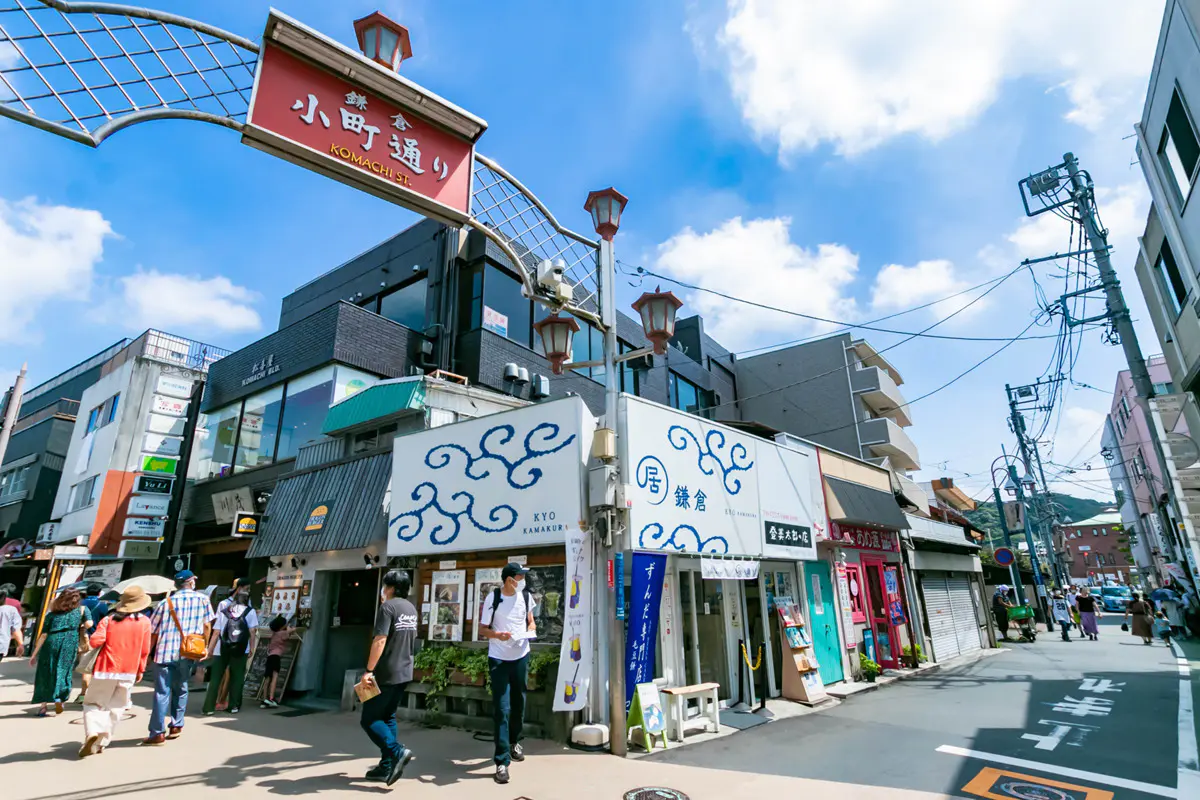
Areas around Kamakura Station and Ofuna are known for their excellent transportation access and well-developed infrastructure, creating stable demand from both homeowners and renters. Ofuna, in particular, offers access to multiple train lines and convenient connections to central Tokyo, making it popular among commuters and students.
These neighborhoods also have supermarkets, shopping centers, medical facilities, and other daily conveniences, which support steady demand from families. Because of these practical advantages, properties near stations tend to perform well as long-term rental investments.
Compared with the coastal districts, these areas may feel less resort-oriented, but they offer greater stability due to consistent residential demand. For buyers considering Kamakura houses for sale as investment properties, station-accessible neighborhoods can make it easier to balance rental income potential with vacancy risk.
Nature-Focused Areas (Kita-Kamakura and Hillside Neighborhoods)
Kita-Kamakura and the hillside areas offer a quieter lifestyle surrounded by greenery, creating a distinct type of demand within the Kamakura real estate market. Located slightly away from the busiest tourist areas, these neighborhoods appeal to buyers seeking a peaceful living environment or a property for extended stays. Prices also tend to be somewhat more affordable compared with coastal areas, making them relatively accessible within the Kamakura market.
Traditional Japanese homes and properties surrounded by nature are common here, attracting buyers interested in Kamakura’s more tranquil and historic atmosphere. At the same time, factors such as steep roads, hillside terrain, and distance from train stations should be carefully considered when evaluating convenience.
While these neighborhoods can provide a highly rewarding lifestyle for buyers who value nature and privacy, they may not suit everyone. Understanding the specific demand characteristics of each area is important before making a purchase decision.
Main Property Types in Kamakura
Below is an overview of the most common property types found in Kamakura, along with key points to consider when choosing the right option.
Detached Houses
Detached homes are the core of the Kamakura real estate market. Properties with land make up a large portion of available inventory and are widely chosen for both primary residences and second homes. Prices vary significantly depending on the location. Coastal neighborhoods and highly desirable areas tend to command premium prices, while hillside districts and neighborhoods farther from stations may offer more affordable options.
Because new construction is relatively limited in Kamakura, many buyers purchase older homes and renovate them. Renovating an existing property in a desirable location can be an effective way to create a space that fits your lifestyle while managing costs. However, buyers should carefully investigate building conditions and local regulations, as some properties may face restrictions on renovations or rebuilding.
In addition, some detached homes are positioned as luxury properties with premium architecture, large lots, or exceptional views. These homes are often used as second residences by affluent buyers. Overall, the detached housing market in Kamakura offers a wide range of price points and use cases, making it possible to choose a property based on individual lifestyle goals and investment priorities.
Browse Detached Houses for Sale in Kamakura
Apartments and Condominiums
While detached houses dominate the market, apartments and condominiums are also available in Kamakura. These properties are especially concentrated around Kamakura Station and Ofuna, where transportation access is convenient and daily infrastructure is well developed.
Compared with detached homes, condominiums generally require less maintenance, which can make them attractive for overseas investors or buyers seeking easier property management. Units located near stations may also benefit from stable rental demand, making them suitable for long-term rental strategies. In many cases, condos are priced lower than detached homes, making them a practical entry point for buyers purchasing Kamakura real estate for the first time.
At the same time, inventory is relatively limited, and some buildings are older. Buyers should carefully review factors such as building management quality, repair plans, and long-term maintenance conditions before making a decision.
Browse Apartments for Sale in Kamakura
Villas and Luxury Properties
Certain parts of Kamakura are home to high-end villas and luxury residences. These properties are typically characterized by large plots of land, scenic views, and architecturally distinctive designs. They are often purchased as second homes or long-stay residences by affluent buyers.
Unlike standard residential properties, these homes place significant value on the overall living experience itself. Ocean views, privacy, and access to nature are major selling points, allowing owners to fully enjoy the unique atmosphere that Kamakura offers. As a result, demand from wealthy domestic and international buyers remains relatively steady.
However, luxury properties also come with higher prices and more limited market liquidity. In many cases, they are not ideal for buyers focused on short-term resale or maximizing rental yields. Instead, they are generally better suited for long-term ownership and lifestyle-oriented purchasing decisions.
Kamakura Real Estate Prices and Market Rates
When considering real estate in Kamakura, one of the first things to understand is the general price range. Even within the same city, prices can vary widely depending on the neighborhood and property type. Below is an overview of real estate prices in Kamakura, with a focus on detached houses.
Typical Prices for Kamakura Houses for Sale
Prices for detached houses in Kamakura vary significantly depending on location, building age, and land size. As a general guide, price ranges are as follows:
- Around ¥40 million to ¥70 million: Older properties or homes located farther from train stations
- Around ¥70 million to ¥100 million: Properties with relatively good station access or favorable locations
- Over ¥100 million: High-end homes in coastal or especially desirable areas
In coastal neighborhoods such as Yuigahama and Zaimokuza, homes with ocean views or walking access to the beach tend to command significantly higher prices, even when the size is similar. In Kamakura, location often has a stronger impact on property value than size or building age alone.
Price Trends by Area
Real estate prices and demand characteristics vary significantly by area in Kamakura. General trends include the following:
- Coastal areas (Yuigahama and Zaimokuza): Higher price range, high scarcity, and strong asset-value appeal
- Station areas (Kamakura and Ofuna): Mid- to high-price range, with a strong balance of convenience and demand
- Hillside and Kita-Kamakura areas: Relatively more affordable, suited to buyers who value a quiet living environment
Because prices and demand differ greatly by location, it is important to choose an area based on your purpose for buying.
Is Kamakura Expensive to Live In?
Kamakura is known as one of the more expensive areas in Kanagawa Prefecture. Coastal neighborhoods such as Yuigahama and Zaimokuza tend to be especially expensive due to their scarcity, brand value, and proximity to the ocean.
However, not every part of Kamakura is priced at the high end of the market. In Kita-Kamakura and hillside areas, buyers may find relatively more affordable options. Compared with central Tokyo, Kamakura may also offer more land, greenery, and a better natural environment at a similar price point.
In other words, whether Kamakura is expensive depends largely on which neighborhood you choose and what kind of lifestyle you are looking for.
Price Comparison with Tokyo
Compared with central Tokyo, Kamakura real estate can be somewhat more affordable in some cases. However, in certain neighborhoods, prices may be similar to or even higher than those in Tokyo. This is especially true in coastal and highly desirable areas, where scarcity has a major impact on pricing.
Tokyo properties are often evaluated based on income potential and convenience, while Kamakura properties tend to be valued more for living environment and lifestyle appeal. For this reason, buyers should compare not only prices, but also the type of value they want from the property.
Risks and Important Considerations for Investing in Kamakura Real Estate
While Kamakura real estate can be an attractive investment, the market also comes with unique risks and considerations that differ from other areas. Buyers should evaluate not only location appeal and long-term asset value, but also operational factors and future resale potential. Understanding these points in advance can help avoid costly surprises after purchase.
Limited Market Liquidity
Although Kamakura properties are often highly desirable due to their scarcity, they are not always easy to sell quickly. High-end homes and properties with highly specific location characteristics may appeal to a relatively small pool of buyers, which can extend the time required to complete a sale.
In addition, many buyers choose Kamakura real estate based not only on investment returns, but also on personal preferences, lifestyle goals, and emotional attachment to the location. Because demand can be more niche than in typical investment markets, buyers should generally approach Kamakura properties with a medium- to long-term ownership perspective rather than expecting quick resale opportunities.
Short-Term Rental Regulations and Usage Restrictions
Kamakura is a popular tourist destination, but short-term rentals and vacation rental operations are subject to local regulations that vary by area. Depending on the property and neighborhood, the type of use you originally planned may not be permitted.
In some cases, zoning rules, building classifications, or condominium management regulations may restrict lodging or commercial use. Buyers considering tourism-oriented investments should carefully confirm local rules, licensing requirements, and operational restrictions before purchasing a property.
Topography and Natural Disaster Risks
Because Kamakura is surrounded by mountains and the sea, some areas may carry risks related to landslides, flooding, or other natural hazards. Properties in hillside locations in particular require careful evaluation of the surrounding terrain.
Before purchasing, buyers should review hazard maps, landslide risk zones, and flood-risk information for the area. Properties near the mountains or coastline may offer beautiful scenery and a strong connection to nature, but disaster-related risks should also be part of the evaluation process.
In addition, Kamakura’s hilly terrain can affect day-to-day convenience, including driving access and walkability. Buyers should consider not only views and atmosphere, but also how practical the property will be for daily living.
Conclusion
Kamakura offers a different type of real estate market from highly investment-driven areas like central Tokyo. Many buyers are drawn not only by asset value, but also by the city’s lifestyle appeal, natural surroundings, and historic atmosphere. Its coastal setting and convenient access to Tokyo continue to support steady demand from both residents and second-home buyers.
For those seeking long-term ownership value and personal enjoyment, Kamakura can be an attractive choice. Buyers should carefully consider each neighborhood’s characteristics and how the property fits their lifestyle and investment goals.
Frequently Asked Questions
Can foreigners buy property in Kamakura?
Yes. Foreigners can purchase land, houses, and condominiums in Kamakura without restrictions based on nationality.
How much do Kamakura houses for sale cost?
Detached houses typically range from around ¥40 million in inland or older areas to over ¥100 million in coastal neighborhoods such as Yuigahama.
Is Kamakura real estate expensive compared with Tokyo?
Some coastal neighborhoods are comparable to central Tokyo, while other areas such as Kita-Kamakura offer more affordable options.
Is Kamakura real estate a good investment?
Kamakura is generally better suited for buyers seeking long-term asset value and lifestyle benefits rather than high rental yields.
Can I run a short-term rental in Kamakura?
It depends on the property and location. Local zoning and building regulations may restrict short-term rental or lodging use, so this should be confirmed before purchase.
How far is Kamakura from Tokyo?
Kamakura is approximately one hour from central Tokyo by train, making it a popular location for commuters and second-home owners.
What types of properties are available in Kamakura?
Buyers can choose from detached houses, apartments, condominiums, and luxury villas depending on their budget and lifestyle.