
Tokyo Luxury Apartments: A Guide for Global Buyers
Dec 16, 2025
Why the World Is Watching Tokyo’s Luxury Market
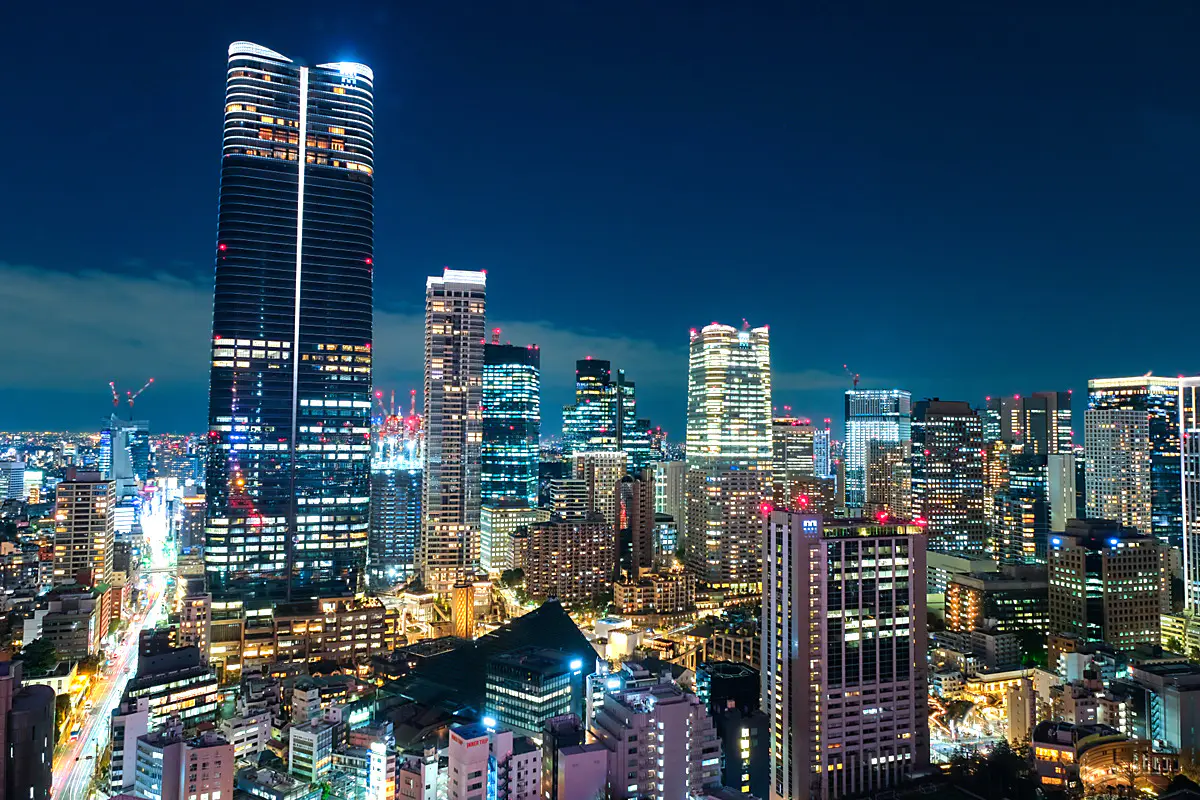
As one of Asia's most globally influential cities, Tokyo attracts affluent international buyers through its economic stability, world-class safety, and advanced urban infrastructure. Ongoing large-scale redevelopment, including Azabudai Hills and major projects in Shibuya and Toranomon, continues to elevate livability and long-term property value in the luxury apartment sector.
Tokyo’s high-end real estate also remains undervalued compared to major global cities like New York, London, Hong Kong, and Taipei, making it especially appealing to overseas investors. With strong price competitiveness and significant potential for future growth, interest in the market continues to rise each year.
This guide highlights the most popular neighborhoods for foreign buyers and key considerations when purchasing a luxury apartment in Tokyo.
Why Tokyo Is a Top Destination for Luxury Apartment Buyers
Tokyo consistently outperforms global standards in quality of life, education, healthcare, and safety. These are key reasons it remains a preferred long-term home for affluent international residents. With an extensive public transportation network and an abundance of international schools, the city is exceptionally welcoming to foreign families.
A standout advantage for foreign buyers is the ability to acquire freehold properties under the same conditions as Japanese citizens. Unlike Singapore, Hong Kong, China, and parts of Southeast Asia, where foreign land ownership is often restricted or limited to leasehold, Tokyo’s unrestricted freehold structure offers long-term security. Combined with favorable exchange rates and ongoing redevelopment in central Tokyo, luxury properties continue to show strong upside potential. This makes the city a top choice for both residential and investment-focused buyers.
Global City Status
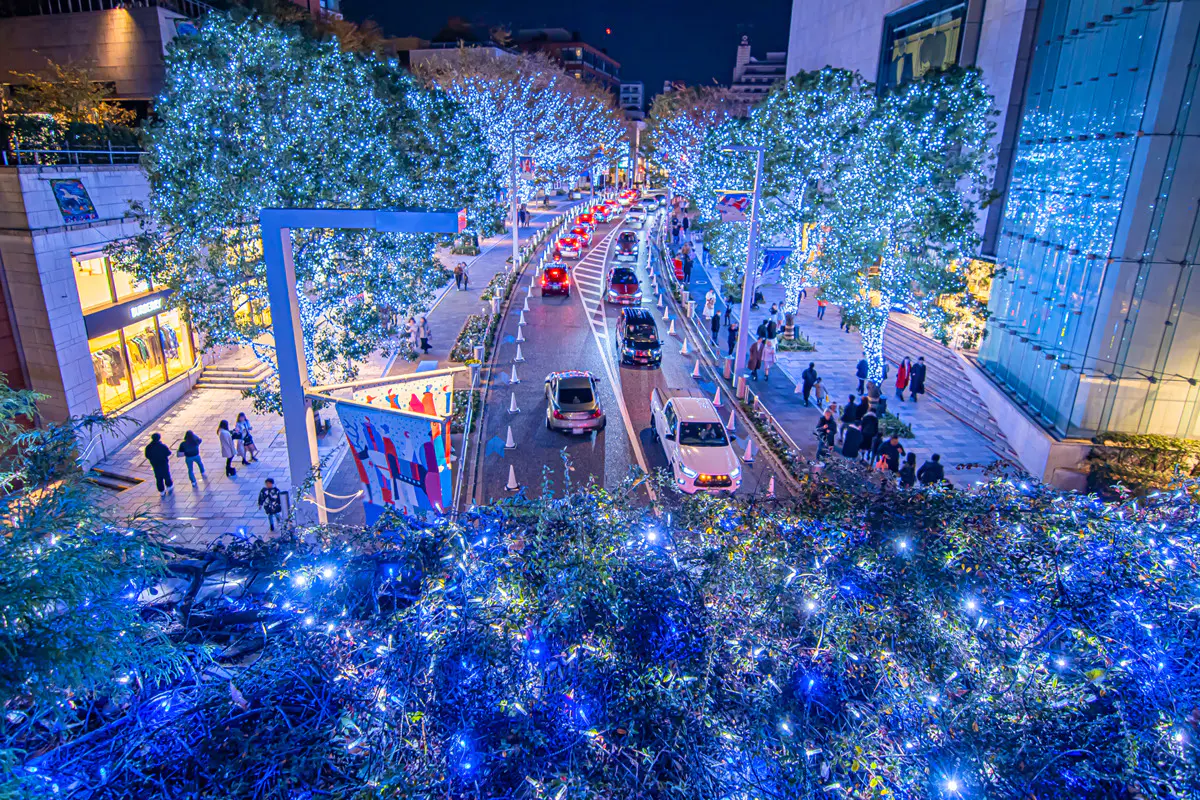
Minato and Shibuya are hubs for embassies, multinational corporations, and major cultural institutions, fostering an environment where diverse residents can live comfortably and securely. Tokyo’s highly efficient public transit system ensures seamless mobility, making daily life exceptionally convenient. This convenience is a primary reason the city has long been favored by expatriates. The presence of world-class international schools and medical facilities further strengthens its appeal as a top relocation destination.
Yen Weakness and Investment Appeal
The current exchange rate has made Japanese real estate significantly more accessible to overseas buyers, driving demand for portfolio diversification and long-term asset holding. In central Tokyo, ongoing redevelopment continues to drive value appreciation. This positions Tokyo luxury real estate as a market offering both stability and significant return potential. Consequently, purchasing interest among foreign investors continues to grow.
Best Areas to Buy Luxury Apartments in Tokyo
Tokyo features several neighborhoods that are particularly popular with international buyers, offering distinct lifestyles, price ranges, and property types. Selecting the area that best aligns with your investment goals and personal preferences is essential for a successful purchase.
Minato Ward (Roppongi, Azabu, Akasaka)
As Tokyo’s premier international hub, Minato is home to embassies, corporate executives, and a high concentration of luxury high-rise residences. The area offers excellent access to international schools, making it a top choice for families relocating from overseas.
Average property prices typically range from ¥180 million to ¥200 million. Recent data from 2024 indicates an average price of approximately ¥190 million. The price per square meter generally falls between ¥2.3 million and ¥2.6 million. Consequently, a standard 70-square-meter unit often lists for ¥160 million to ¥180 million.
View properties for sale in Minato Ward
Shibuya Ward (Shoto, Daikanyama, Ebisu)
Shibuya blends cultural influence and trendsetting energy with some of Tokyo’s most exclusive residential enclaves, including Shoto and Daikanyama. It is favored by buyers who prioritize convenience, sophisticated design, and a modern urban lifestyle.
Average listing prices sit between ¥200 million and ¥240 million. Since units here tend to be larger, total purchase prices often exceed those in Minato. However, the price per square meter is comparable, generally ranging from ¥2.2 million to ¥2.5 million.
View properties for sale in Shibuya Ward
Chiyoda & Chuo (Marunouchi, Ginza)
Situated in the heart of Tokyo’s central business district, Chiyoda and Chuo are renowned for strong asset value and high rental potential. This makes them ideal locations for both investment portfolios and second homes. Chiyoda commands some of the highest values in the 23 wards, with average prices ranging from ¥260 million to ¥270 million.
Data from 2024 places the average at specifically ¥269.39 million, with price per square meter exceeding ¥2.9 million. Meanwhile, Chuo typically sees prices between ¥160 million and ¥200 million, with a price per square meter of ¥2.2 million to ¥2.5 million, similar to the rates found in Minato and Shibuya.
View properties for sale in Chiyoda Ward
View properties for sale in Chuo Ward
Meguro & Setagaya
Meguro and Setagaya offer a quieter residential environment with abundant greenery. This makes them ideal for families and buyers seeking long-term stability. In Meguro, average prices generally range from ¥100 million to ¥140 million. Typical 2LDK to 3LDK units are priced between ¥70 million and ¥120 million. The price per square meter hovers around ¥1.6 million to ¥1.9 million, placing it among the higher tiers of the 23 wards.
Setagaya’s average prices typically fall between ¥70 million and ¥100 million. 1LDK units start around ¥45 million, while 3LDK to 4LDK units range from ¥80 million to ¥100 million. The price per square meter averages ¥1.3 million to ¥1.6 million, positioning the ward in the mid-to-upper range within Tokyo’s 23 wards.
View properties for sale in Meguro Ward
View properties for sale in Setagaya Ward
Price Range & Property Types
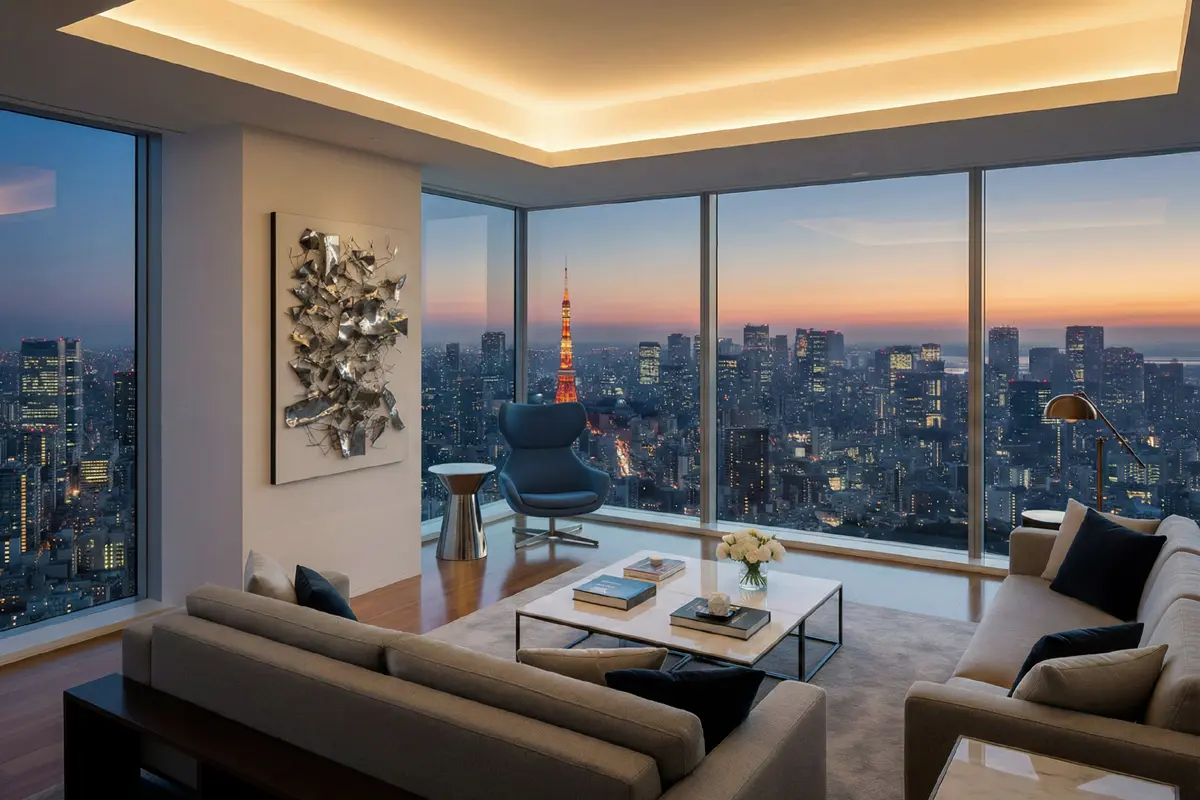
Luxury apartments in Tokyo vary widely in price depending on the neighborhood and property type. Options range from high-rise towers and low-rise residences to penthouses and serviced apartments. Each offers distinct advantages. Choosing the right type based on your lifestyle and investment goals is essential.
Average Price and Size Guide
As outlined earlier, pricing for Tokyo’s luxury apartments differs considerably by area:
- Minato: ¥2.3 – ¥2.6 million/sqm (70–150 sqm units typically ¥180–¥200 million)
- Shibuya: ¥2.2 – ¥2.5 million/sqm (60–120 sqm units typically ¥200–¥240 million)
- Chiyoda: Exceeds ¥2.9 million/sqm (One of the most expensive wards)
- Chuo: ¥2.2 – ¥2.5 million/sqm
- Meguro & Setagaya: ¥1.3 – ¥1.9 million/sqm (Balanced mix of space and price)
New Construction vs. Pre-Owned Units
Newly built properties offer the latest amenities, modern layouts, and high-level security. This makes them attractive from both a lifestyle and asset retention standpoint. Pre-owned units, on the other hand, often provide better value in prime locations and can gain significant appeal through well-planned renovations.
Growing Demand for Serviced Apartments
High-end serviced apartments are fully furnished and equipped with hotel-like management services. These are increasingly popular among short-term residents and business owners who need immediate move-in convenience. As the market for luxury serviced apartments in Tokyo continues to attract global interest, demand from overseas tenants and corporate clients is steadily rising.
How to Buy a Luxury Apartment in Tokyo as a Foreigner
Foreigners can legally purchase real estate in Japan, and the procedures are clearly established. Knowing the steps in advance makes the entire process more secure and stress-free.
Read our complete guide to buying properties in Japan
Main Steps in the Buying Process
The standard purchasing process consists of five stages. Through Japan Property, buyers can access agents who specialize in assisting international clients to ensure smooth support.
- Property Search
- Viewing
- Contract Signing
- Registration
- Final Handover
Loan & Tax Basics
Foreign buyers may qualify for a Japanese mortgage if they meet specific criteria. After the purchase, it is important to budget for ongoing expenses. These include property taxes, management fees, and reserve funds for building maintenance. Understanding these costs in advance is essential for financial planning.
Learn more about loans and taxes for foreign buyers
Key Points for Foreign Investors
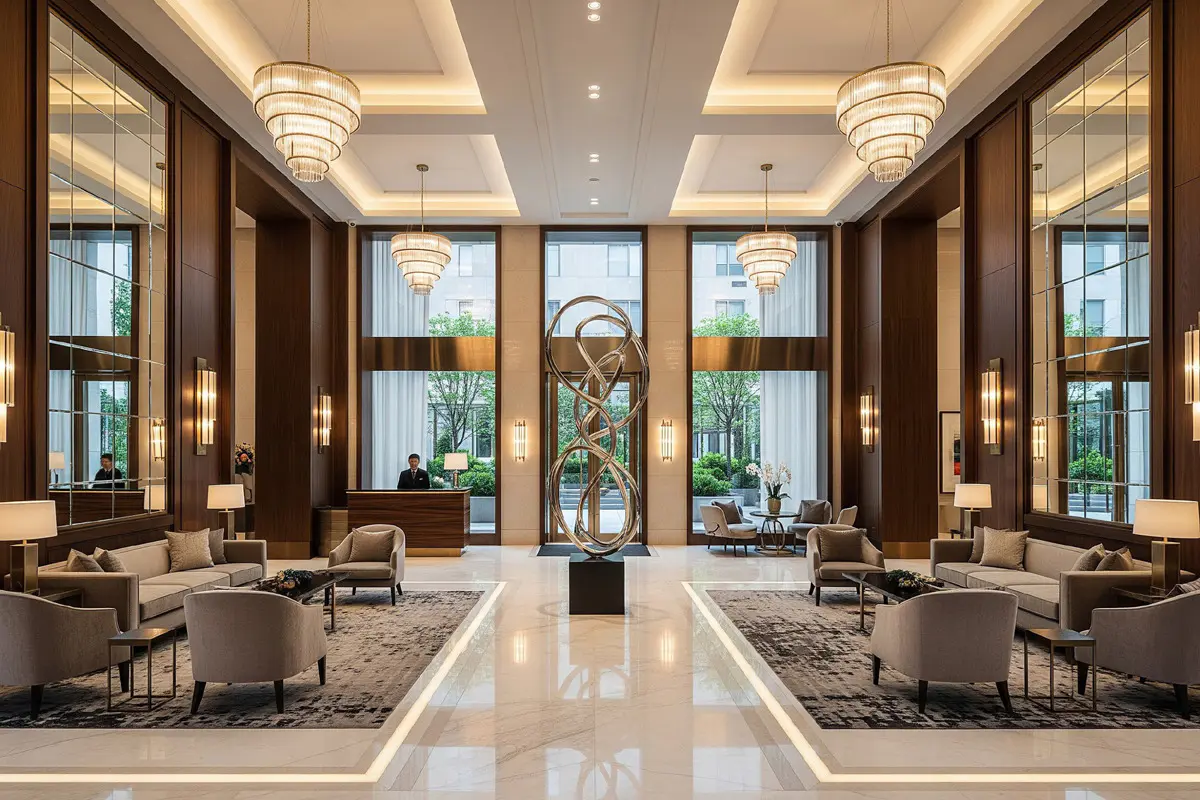
When holding a luxury apartment as an investment asset, rental demand, yield, and long-term value retention are critical considerations. A well-planned strategy is essential for success.
Rental Demand and Expected Yields
In central Tokyo, rental demand from corporate expatriates remains strong. Annual yields of approximately 3% to 5% are typical. However, returns can vary significantly depending on the location and the quality of building management. Therefore, careful evaluation is necessary.
Asset Management and Resale Strategy
The value of a luxury property is heavily influenced by its location and the quality of ongoing management. Partnering with a reliable agent helps ensure proper maintenance during ownership. It also allows you to determine the optimal timing for a future resale.
Recommended Luxury Apartments in Tokyo
Japan Property features a wide selection of luxury apartments suitable for foreign buyers. This allows you to compare top listings and explore the latest options on the market. Browse current properties and reach out quickly if you find one that interests you.
Browse all luxury apartments for sale in Tokyo
Capitalize on Tokyo’s Prime Market
Tokyo’s luxury apartment market offers exceptional appeal, whether your goal is investment or long-term living. By partnering with a trusted agent experienced in assisting international buyers, you can secure both a residence and an asset that enhances your lifestyle in one of the world’s most dynamic cities.