
2025 Japan Residential Real Estate News: A 2026 Outlook
Dec 12, 2025

In 2025, Japan residential real estate news was defined by major market forces: significant currency fluctuations, large-scale urban redevelopment, strategic tax revisions, and a surge in foreign investment. For international buyers questioning whether these favorable conditions will extend into 2026, the outlook remains positive. As long as the weak yen, inflationary pressures, and redevelopment projects persist, foreign investors will likely continue to find compelling opportunities.
This guide summarizes the most critical Japan real estate news 2025 topics, highlights how foreign capital is reshaping the market, and provides practical insights to help you prepare for the year ahead.
Housing Prices and the Impact of a Weak Yen in 2025
A persistently weak yen made Japanese homes significantly more affordable for overseas investors, accelerating demand in major metropolitan hubs. In high-end districts like Minato and Shibuya, foreign capital drove prices even higher. Meanwhile, redevelopment projects and infrastructure upgrades strengthened asset values, fueling consistent buying interest throughout the year.
Rising Foreign Demand Fueled by Yen Depreciation
The prolonged depreciation of the yen lowered the effective entry cost of Japanese properties for international buyers. Demand was heavily concentrated in the ¥100M–¥300M range for urban residences, with heightened activity from investors in Hong Kong, Singapore, and the United States. Both end-user and investment-driven purchases increased, contributing to noticeable price growth across major cities. This trend was widely covered in Japan real estate market news 2025.
Price Growth and Tight Supply in Central Tokyo
Prime areas such as Minato, Shibuya, and Chuo attracted robust demand from both domestic and international investors as redevelopment projects enhanced convenience and brand appeal. A chronic shortage of available listings in both new and resale markets kept prices elevated compared to the previous year. This tight supply is expected to influence market conditions well into 2026, remaining a central theme in Japan real estate law changes 2025 news.
Tax Reforms in 2025 That Shaped the Housing Market
The 2025 tax reforms focused on stimulating residential investment, revitalizing aging condominium stock, and expanding senior housing. These changes shifted long-term investment strategies, as new incentives encouraged the use of older urban properties and supported buyer activity, improving overall market liquidity.
Extended Measures for Mortgage Deductions and Building Longevity
The extension of mortgage tax deductions supported domestic buyers and helped sustain housing demand. While foreign investors (non-residents) are generally ineligible for these specific deductions, stronger domestic demand improves liquidity in the resale market. This provides an indirect but significant benefit for international investors planning future exits.
Policies promoting the longevity and rehabilitation of aging condominiums were also extended. This created an environment where associations and investors could more confidently commit to medium- and long-term renovation or rebuilding projects, driving upward momentum in the broader resale market.
New Tax Incentives for Aging Condominium Redevelopment
A new tax framework for aging condominium redevelopment streamlined large-scale projects, including demolition, rebuilding, and full-area renewal. In major urban areas abundant with older buildings, this shift opened fresh investment opportunities. Foreign investors are increasingly drawn to these redevelopment-focused strategies, particularly in districts undergoing parallel large-scale urban renewal.
Redevelopment Zones Driving Residential Value Growth in 2025
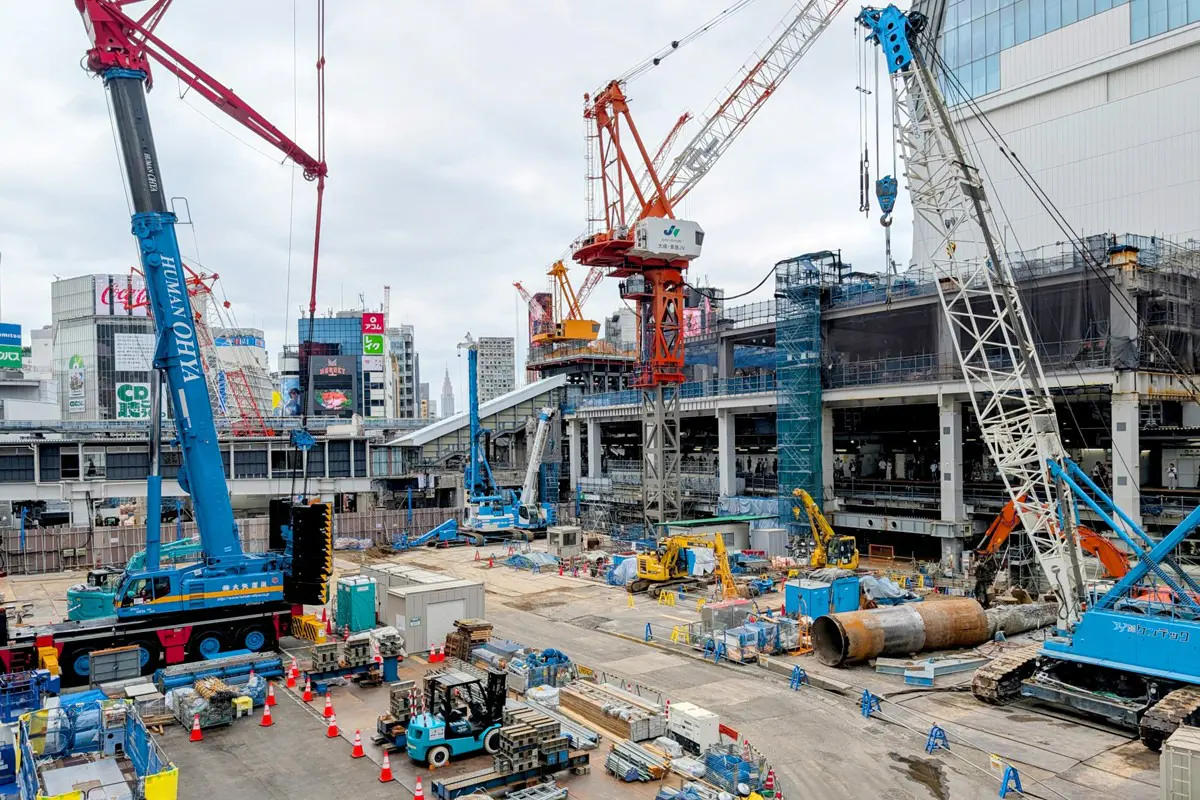
Throughout 2025, massive redevelopment projects across Japan pushed residential values upward, solidifying the trend that "redevelopment equals price appreciation". High-profile initiatives in Takanawa Gateway, Shibuya, and Osaka Umeda improved living environments and global accessibility, leading to a revaluation of surrounding properties.
Takanawa Gateway: Transformation into a Global Hub
Mixed-use developments integrating cultural facilities, offices, and residences reshaped Takanawa Gateway into an international district. The combined impact of the new station and infrastructure upgrades drove steady property value growth, attracting both families and investors.
To explore available listings in this rapidly transforming area, browse properties for sale in Shinagawa.
Shibuya: Mixed-Use Projects Sustain Demand
Shibuya’s simultaneous redevelopment projects and the concentration of IT companies increased demand among young professionals and foreign residents. Low interest rates and favorable currency conditions supported high transaction prices, with benefits spilling over into nearby resale markets.
You can explore active listings by visiting our page for properties for sale in Shibuya.
Osaka Umeda: Driving the Kansai Market
Progress on the Umeda Phase 2 redevelopment added expansive green spaces and a new station, significantly enhancing the district’s appeal. Umeda cemented its role as a key driver of the Kansai housing market, surpassing the previous year’s transaction volumes.
For those monitoring the Kansai region, you can browse properties for sale in Osaka Umeda.
Diversifying Motivations Behind Foreign Home Purchases

Foreign home purchases remained high in 2025, with motivations expanding beyond pure investment to include relocation and long-term residency. The growth of international schools and an increase in English-friendly properties encouraged more families and remote workers to establish a base in Japan. Consequently, demand from overseas buyers expanded beyond Tokyo and Osaka into regional cities.
A Shift from “Second Homes” to Full Relocation
The rise of digital nomads and hybrid workers accelerated a shift from short-term stays to full-time residence. Improved access to English-speaking medical services and international schools made family relocation easier, leading more foreign professionals to choose Japan as a long-term base. This trend is expected to grow, with end-user demand playing a larger role in the housing market moving forward.
Outlook for Japan’s Residential Market in 2026
The trends of 2025, such as a weak yen, accelerated redevelopment, and tax reforms, are expected to dominate Japan residential real estate news in 2026. Here are the essential points investors should monitor:
- Interest Rate Shifts: Ongoing discussions regarding rate adjustments are likely to impact mortgage conditions in 2026. Even small changes can significantly affect total repayment costs, making strategic timing essential.
- Regulatory Updates: As foreign investment grows, the government is reviewing regulations to improve transparency. Expect tighter oversight coupled with measures to activate the market, lowering entry barriers for a healthier investment environment.
- Strong Redevelopment Zones: Key areas like Takanawa Gateway, Shibuya, and Osaka Umeda are projected to maintain strong demand in 2026, reinforced by ongoing infrastructure upgrades.
Start Your 2026 Property Search
Japan Property offers a one-stop resource for advancing your 2026 investment plans. Access directories of English- and Chinese-speaking real estate agents, curated property listings, and practical buying guides. With experienced agents ready to support international buyers, you can navigate Japan’s market confidently and find properties that fit your budget and goals.
Begin exploring opportunities at Japan Property.
Future-Proofing Your Strategy
Japan’s residential market in 2025 was shaped by yen depreciation, major redevelopment, and rising foreign demand. These insights should directly influence your 2026 strategy. By monitoring interest rates, regulatory changes, and the stability of key redevelopment zones, investors can take a long-term, strategic approach to identifying opportunities in Japan’s evolving real estate landscape.