
A Foreigner’s Guide to Buying Real Estate in Kyoto
Feb 9, 2026
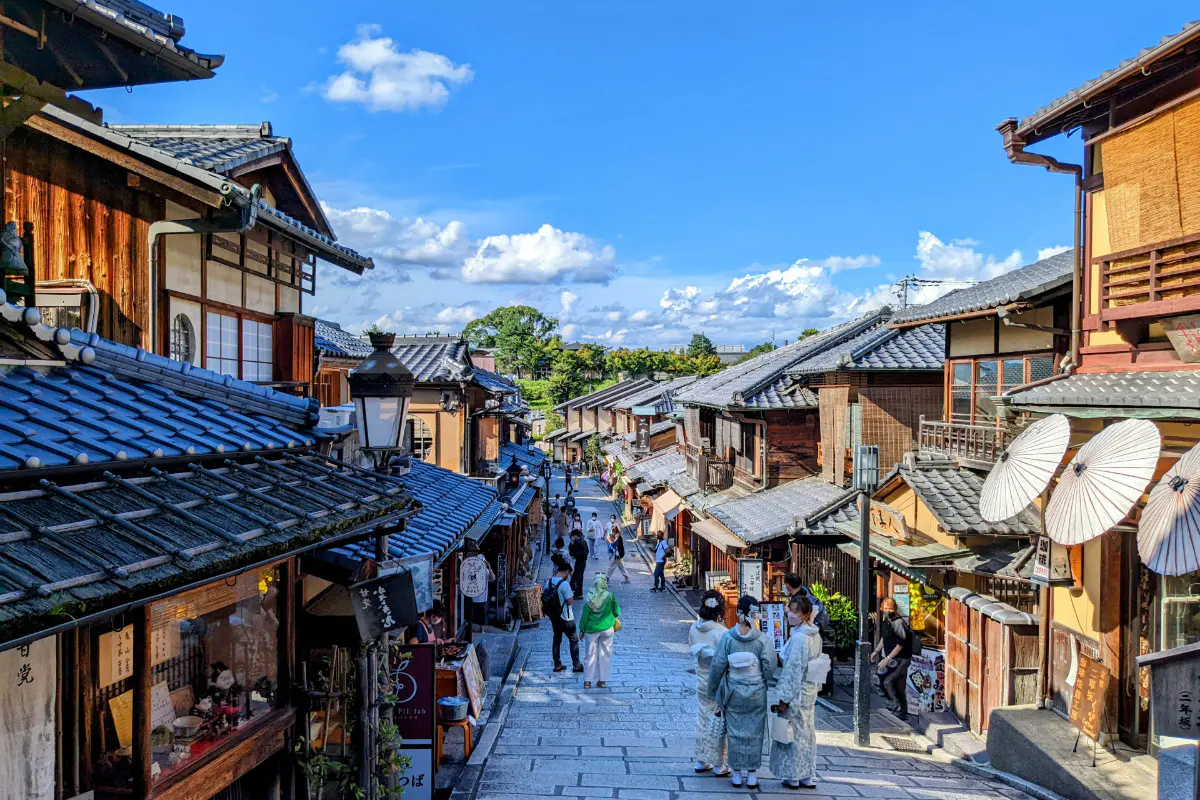
Unlike Tokyo or Osaka, Kyoto is not a market built for speculation. Much like historic European cities, Kyoto is a market where regulation itself creates value—strict rules preserve scarcity and help protect long-term asset worth. This guide is designed for foreign investors who prioritize capital preservation over short-term gains, and who want to build and pass on real estate value in Japan across generations. From an international perspective, we analyze the Kyoto market to explain why it is valued not for rapid price spikes, but for its ability to sustain and protect asset value over time.
View available houses for sale in Kyoto
Why Kyoto Real Estate Attracts Global Attention
The primary reason Kyoto real estate attracts global investors is its unique market structure, which tends to safeguard long-term value. Property supply is inherently limited, and regulations combined with cultural preservation efforts can moderate price volatility while offering meaningful downside protection. As a result, Kyoto is often viewed as a stable destination for investors seeking tangible assets with enduring worth. Success in Kyoto depends less on chasing trends and more on making strategic decisions grounded in a clear understanding of how local regulation preserves value.
The Three Key Forces Shaping Kyoto’s Real Estate Market
Kyoto’s real estate market is not driven by demand alone. It is shaped by a structural “tripod” formed by the intersection of regulation, culture, and demand. Understanding these three elements is essential to seeing why Kyoto’s price behavior and long-term stability can differ from other major Japanese cities.
Regulatory Constraints: The Power of Landscape Preservation
Kyoto City enforces some of Japan’s strictest landscape preservation ordinances to protect its historic character. These rules do more than maintain aesthetics; they can fundamentally restrict new supply, creating a structural ceiling on development.
Height Restrictions (as a general guideline)
Depending on zoning, many areas—especially parts of the city center and historic districts—have height limits that are often around ~15 meters as a general reference point. This limits high-rise development and helps keep the skyline consistent with traditional architecture.
Design and Aesthetic Standards
Exterior palettes are generally required to remain subdued and harmonious with the historic environment. In some zones, roof materials, slopes, and other façade elements are also regulated.
Commercial Limitations
Signage size, placement, and exterior design are often tightly controlled, which can reduce flexibility for large-scale, highly commercial development. By suppressing new construction in regulated zones, these constraints can increase the scarcity—and therefore the relative value—of existing properties.
Kyomachiya: Investing in Cultural Heritage
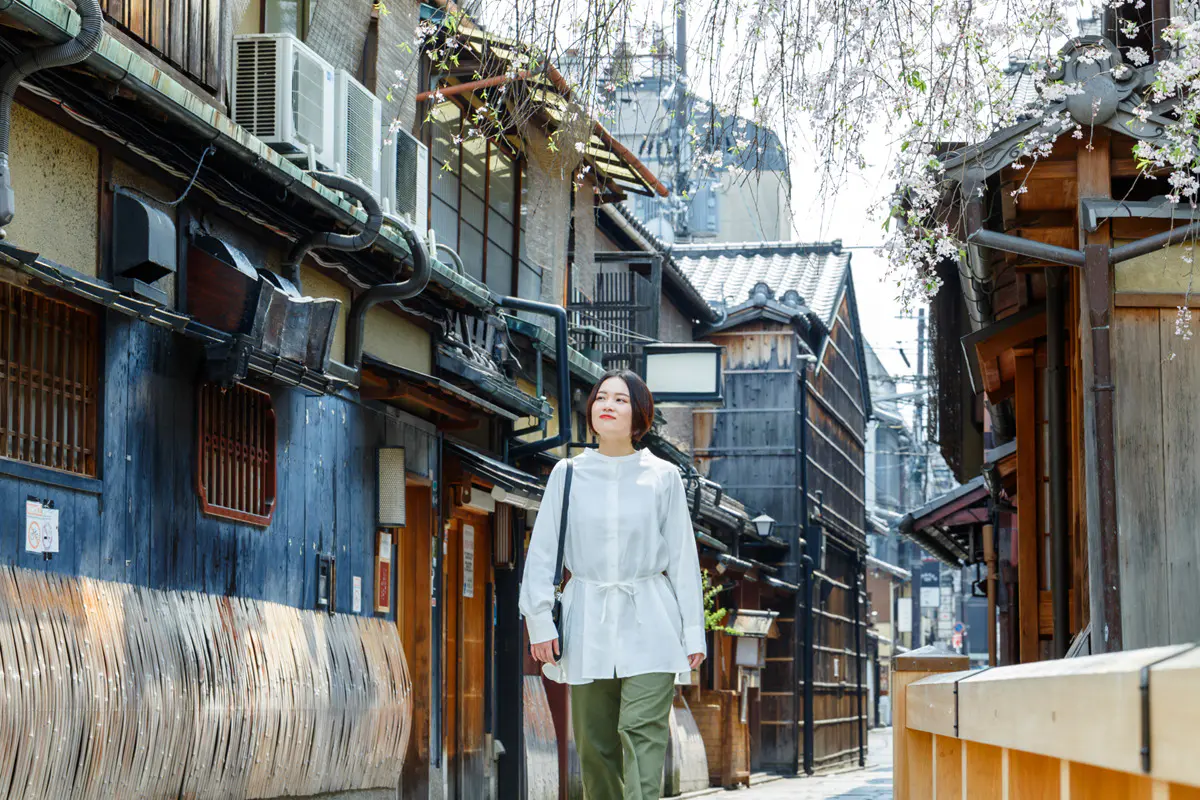
For many international investors, a Kyomachiya (traditional townhouse) is more than real estate—it is a tangible cultural asset. These properties are increasingly viewed as heritage pieces to be preserved and passed down through generations rather than conventional housing.
Kyomachiya occupy a unique niche within Kyoto’s housing stock. While the overall number of historic structures continues to decline, many remain vacant, offering opportunities for revitalization through careful renovation. With the right strategy and execution, investors can balance cultural preservation with income generation. In recent years, global high-net-worth individuals have also shown growing interest in heritage ownership itself, positioning Kyomachiya as culturally significant assets as well as investment opportunities.
A Dual-Layer Demand Structure
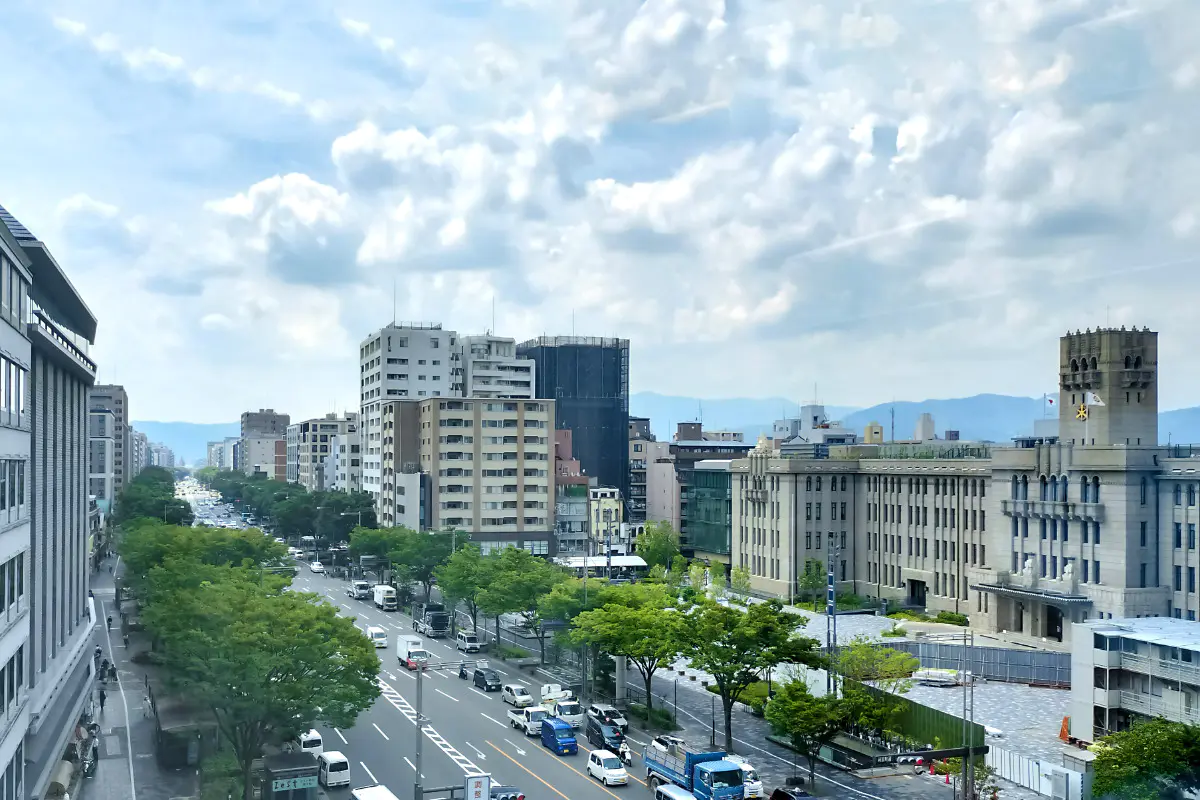
Kyoto’s demand base is supported by two distinct layers, which together can provide market stability.
- Tourism & Hospitality Demand: Central Kyoto continues to see demand for boutique accommodations and hospitality-oriented income properties as inbound travel remains strong.
- Stable Residential Demand: Kyoto functions as a major university city and a hub for corporate transferees, creating consistent rental demand that is not solely dependent on tourism.
This dual structure helps ensure that even if one sector fluctuates, the other can provide meaningful support for long-term fundamentals.
Area-Based Market Analysis: Average Prices and Future Outlook
For foreign investors, understanding Kyoto’s price ranges and demand dynamics by district is essential. While the city as a whole is often characterized by relatively stable movements, investment objectives and risk profiles can vary significantly by location.
Explore the Kyoto neighborhood guide
Central Kyoto: Nakagyo and Shimogyo Wards (Business and Residential Core)
Nakagyo and Shimogyo wards command some of Kyoto’s highest resale condominium prices.
- Price Benchmarks (typical ranges): Newer or higher-end projects in prime locations can exceed ¥100 million, while many mid-range properties often begin around ¥50 million depending on age and location.
- Demand Drivers: Strong subway access and urban convenience support consistent rental demand from corporate professionals and university staff.
- Investment Outlook: Limited room for large-scale new supply in many central zones can reduce downside risk and support long-term value retention.
- Core Strategy: Commonly suited to investors seeking stable rental demand or a prestigious second home.
Higashiyama and Sakyo Wards (Cultural and Tourism Core)
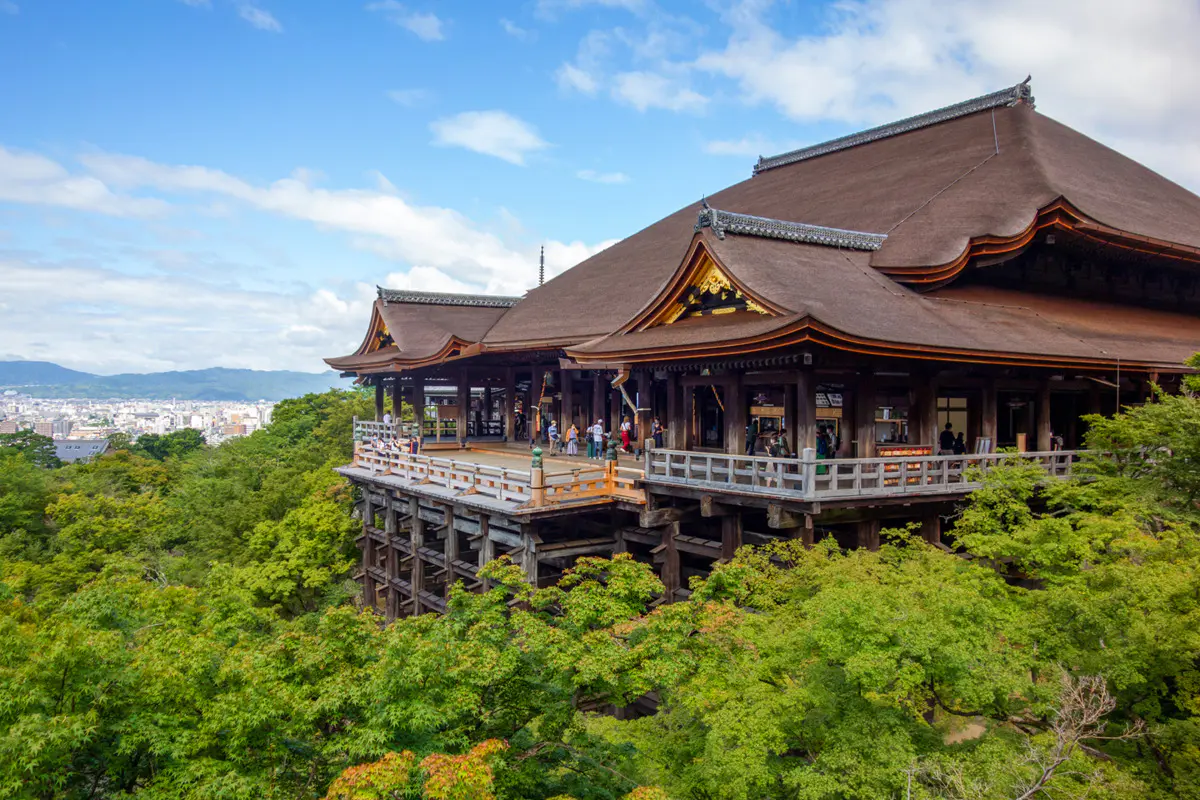
Higashiyama and Sakyo are home to some of Kyoto’s most iconic real estate tied to the city’s cultural identity, including Kyomachiya and heritage-style residences. In these districts, high-end hospitality assets are more commonly found, particularly near major cultural landmarks.
- Asset Profiles: Strict landscape and design regulations reinforce scarcity and support premium valuations.
- Pricing & Value (typical ranges): Premium properties in key cultural districts may range from approximately ¥80 million to ¥200 million+ depending on restoration quality and permitted use.
- Investor Focus: Demand from global high-net-worth buyers who value cultural legacy often supports pricing.
Minami and Fushimi Wards (Accessibility and Yield-Driven Areas)
Compared to central Kyoto, Minami and Fushimi wards often offer more accessible entry points.
- Price Benchmarks (typical ranges): Resale condominiums are often available in the ¥20–30 million range depending on building age and station access.
- Connectivity and Demand: JR, Keihan, and Kintetsu lines support steady rental demand from families, students, and commuters.
- Yield Potential: Broader modern housing supply can make it easier to secure comparatively attractive rental yields versus highly supply-constrained central districts.
- Stability: Often suitable for investors seeking reliable income with reduced volatility.
A Polarized Strategy for the Kyoto Market
Investing in Kyoto is not about chasing short-term occupancy spikes or headline yields. Instead, the market is often defined by a polarized structure with two distinct paths.
- Cultural Asset Preservation: Focus on districts where historic value and regulation create deep scarcity, aiming for long-term capital preservation.
- Stable Residential Income: Focus on areas supported by consistent local demand and transport access, aiming for predictable cash flow.
Success typically requires selecting a strategy aligned with your financial objectives.
Strategy 1: High-Return, Culture- and Tourism-Focused Investments
This approach targets premium returns by leveraging Kyoto’s cultural prestige and inbound tourism demand. Investors focusing on Kyomachiya and heritage assets may benefit from strong tourism cycles and the ability to command higher nightly rates.
However, renovations often must comply with hotel regulations, zoning restrictions, and preservation requirements, which can increase upfront costs and operational complexity. With proper legal due diligence and professional management, this strategy can generate attractive returns while strengthening long-term asset value.
Strategy 2: Stability-Focused Investments in Central Residential Assets
This strategy prioritizes capital preservation by focusing on residential properties in well-connected central areas. Consistent demand from professionals, academics, and long-term residents supports occupancy stability.
Supply constraints in many central zones can help support price resilience over time, making this approach suitable for investors seeking steady income and lower volatility.
Will Polarization Continue in the Kyoto Market?
Looking ahead, foreign interest in Kyoto is expected to remain solid, and the market may continue to polarize between high-value cultural assets and stable residential properties. Scarcity created by regulatory constraints can function as a long-term ceiling on development in many districts.
In this environment, outcomes are often determined less by location alone and more by the role a property plays—whether as a heritage-grade asset or a resilient residential unit supported by consistent tenant demand.
Maximizing the Value of Kyoto Real Estate
For international investors seeking long-term preservation rather than short-term speculation, Kyoto remains one of Japan’s most distinctive real estate markets.
- Global Heritage Value: International recognition of culturally significant properties.
- Structural Scarcity: Supply constraints shaped by strict landscape and development rules.
- Resilient Fundamentals: Residential demand supported by universities and long-term local populations.
Understanding regulation as a value-preservation mechanism—and aligning strategy accordingly—helps secure investments designed to endure over time.
Key Practical Considerations for Foreign Buyers
Foreign nationals can generally purchase real estate in Kyoto, but the city’s regulatory environment makes professional due diligence essential.
Landscape ordinances, zoning restrictions, and rules related to ryokan or short-term rental operations vary by property. Relying only on surface-level yields may lead to unexpected limitations. Working with specialists experienced in international transactions is strongly recommended.
Read the Kyoto real estate investment practical guide
See the complete guide to buying property in Japan
Next Steps: Consult with Japan Property’s Specialized Agents
Investing in Kyoto benefits from expert support, especially for regulatory reviews, permitted use checks, and Kyomachiya renovation planning. Japan Property partners with firms experienced in supporting international buyers and provides end-to-end assistance—from property selection to post-purchase procedures.