
Moving to Japan: 5 Essential Steps and How Much It Costs
Oct 26, 2026
Thinking about moving to Japan but unsure where to start or how much it will cost? A long-term move involves more than securing the right status of residence. You'll also need to find housing, arrange shipping, and complete essential procedures after arrival.
This guide covers five key steps for moving to Japan, along with estimated relocation costs. It also covers expenses for moving to Japan from the U.S. and housing options to help you plan your move.
JPY-to-USD conversions in this article are based on an exchange rate of US$1 = ¥155. Actual exchange rates may vary.
Explore Rental and For-Sale Properties on Japan Property
Moving to Japan: 5 Steps to Prepare for Your Move
Moving to Japan requires careful planning, from securing the appropriate status of residence and finding housing to arranging transportation and completing paperwork after arrival. If you plan to stay long term, you'll need to obtain a status of residence that matches your purpose of stay, rather than entering as a tourist.
Planning ahead can also help reduce last-minute stress. Deciding where to live, estimating your budget, and determining what to bring will make the transition easier. Here are five key steps to guide you from the initial planning stage to settling into your new life in Japan.
1. Confirm Your Status of Residence and Moving Timeline
Start by determining why you want to live in Japan, how long you intend to stay, and which status of residence best fits your circumstances.
Japan offers various statuses of residence based on the purpose of your stay, including employment, study, family-related circumstances, and business management. If you're planning a medium- or long-term stay, you'll generally need to obtain the appropriate status of residence. Your residence card will indicate your status of residence, authorized period of stay, and any restrictions on employment.
Depending on your status of residence, the application process may involve obtaining a Certificate of Eligibility (COE) through a sponsor or representative in Japan before applying for a visa at a Japanese embassy or consulate abroad. Changing from Temporary Visitor status, typically used for tourism, to a medium- or long-term status of residence after entering Japan is generally not permitted. It's therefore important to confirm the requirements before departure.
Immigration procedures can take time, so work backward from your intended moving date and begin gathering the necessary documents well in advance.
2. Set a Budget for Your Move
Once you've confirmed your immigration requirements and approximate moving date, estimate your total relocation cost.
Beyond airfare and international shipping, you'll need to budget for upfront rental costs, furniture and appliances, and everyday living expenses after arrival. If you're moving with family, the number of people will also affect transportation costs, shipping volume, and the size of the home you'll need.
Expenses can add up quickly during the first few weeks, particularly when securing housing and purchasing household essentials. Rather than budgeting only for the move itself, make sure you have enough funds to cover the first several months while you get settled.
3. Choose Where to Live
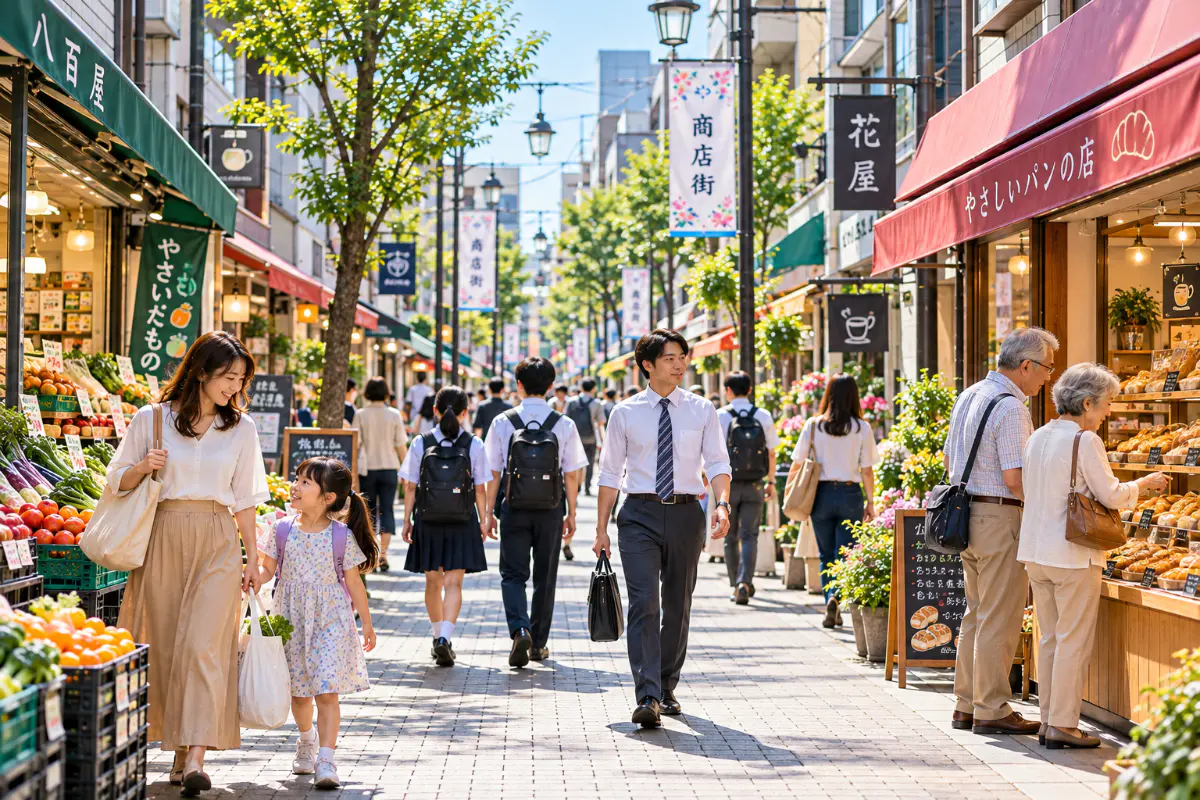
With your timeline and budget in mind, start exploring potential cities, neighborhoods, and housing options.
Housing costs, transportation, and living conditions vary considerably between cities such as Tokyo, Yokohama, Osaka, and Fukuoka. If you'll be working, consider commuting convenience. Families may also want to compare schools and nearby amenities.
Housing options range from short-term accommodations, such as serviced apartments, to conventional rentals and purchasing a home. Some people choose temporary housing while searching for a permanent place after arrival, while others arrange a long-term rental or explore buying a property before moving.
Look beyond monthly housing costs when making your decision. Your expected length of stay, lifestyle, and long-term financial goals can all help determine which option is right for you.
If you haven’t decided where to live yet, compare the features of different cities and neighborhoods to find an area that suits your lifestyle.
Explore Japan’s Major Cities and Neighborhoods
4. Book Your Flight and Arrange Shipping
Once your moving date and housing plans are taking shape, arrange your flight and the shipment of your belongings.
Moving internationally usually involves considerably more luggage than an ordinary trip. To simplify the process, divide your belongings into items to bring in your suitcases, items to send by air freight or international courier, items to ship by sea, and things to purchase after arriving in Japan.
Shipping furniture and large appliances can be expensive, and some items may not fit Japanese homes or be compatible with local electrical voltage. Instead of bringing everything, compare shipping costs with the cost of replacing those items after arrival.
5. Complete Essential Procedures After Arrival
After arriving in Japan and establishing your place of residence, you'll need to complete several administrative procedures before settling into everyday life.
Medium- and long-term residents must register their residential address at their local municipal office within 14 days of establishing their residence, bringing their residence card or other required documents.
Depending on your circumstances, you may also need to enroll in public health insurance and pension programs. Other practical tasks include opening a bank account, arranging mobile phone and internet services, and setting up electricity, gas, and water.
With several procedures to complete in a relatively short period, preparation is essential. Check the required documents and deadlines before leaving your home country and create a checklist of tasks to complete after arrival to make the transition as smooth as possible.
What to Know Before Moving to Japan
Before moving to Japan, it is important to understand some of the practical differences you may encounter when establishing your life in the country. Visa requirements, housing practices, healthcare, taxes, and everyday procedures can differ significantly from those in your home country. Knowing what to expect in advance can make your transition much smoother.
Visa and Residence Status
Japan does not have a single visa that simply allows foreigners to relocate permanently. You generally need to obtain a visa and a status of residence that matches the purpose of your stay, such as employment, study, joining a family member, or running a business. Requirements and permitted activities vary depending on your status of residence, so confirming your eligibility should be one of the first steps when planning your move.
Housing in Japan
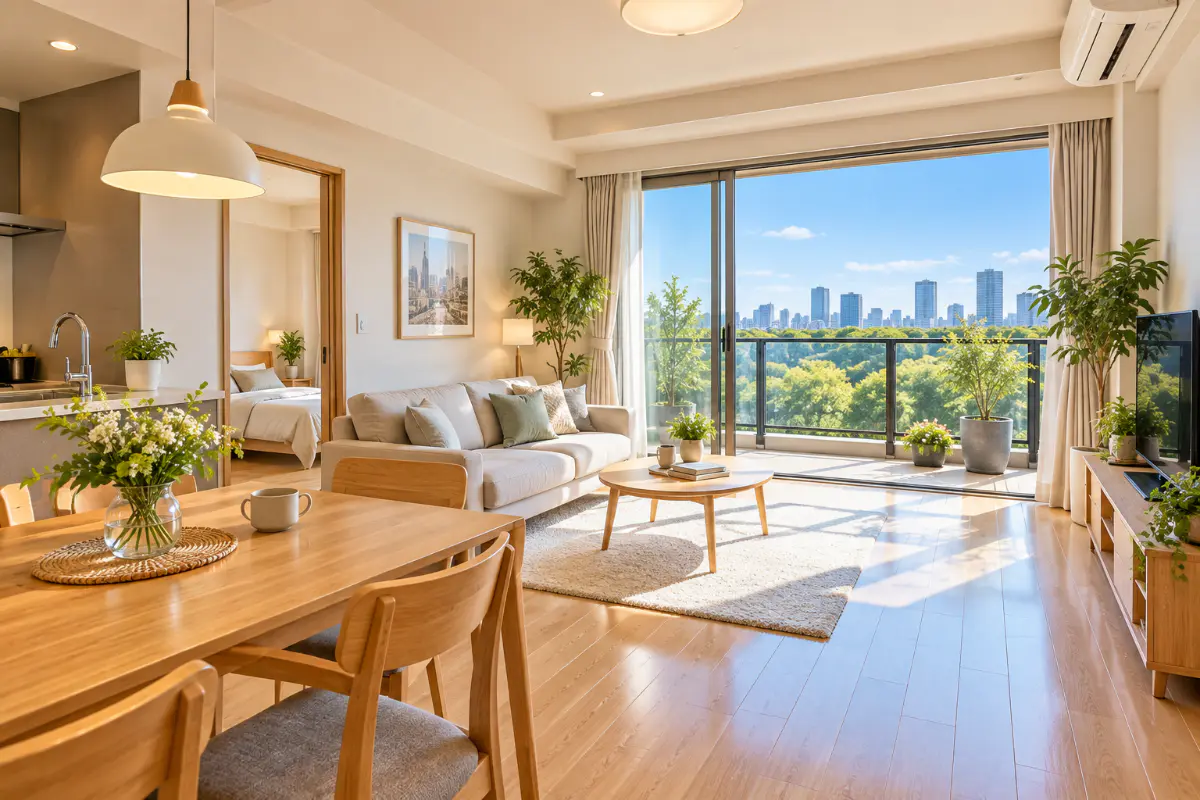
Renting a home in Japan can involve costs and procedures that may be unfamiliar to newcomers. In addition to monthly rent, you may need to pay a security deposit, key money, an agency fee, a guarantor company fee, and other upfront costs. Rental requirements also vary by property, so it is helpful to understand the process before beginning your home search.
For more information on finding and renting a home in Japan, including the rental process, see our Guide to Renting an Apartment in Japan.
Healthcare and Insurance
Foreign residents staying in Japan for the medium or long term are generally required to enroll in Japan's public health insurance system if they are eligible. Depending on your employment and circumstances, this may be Employees' Health Insurance or National Health Insurance. Understanding how the system works can help you prepare for medical expenses after arrival.
Taxes
Your tax obligations in Japan can depend on factors such as your residence status for tax purposes, how long you have lived in Japan, and the source of your income. Depending on your home country's rules, you may also have tax filing obligations outside Japan. If you have income or assets in multiple countries, consider seeking professional tax advice before relocating.
Language and Support for Daily Life
After arriving in Japan, you'll need to complete several procedures to get settled, including registering your address, setting up utilities, arranging mobile phone service, and opening a bank account. While more services are becoming available in English and other languages, Japanese is still commonly used for government procedures, contracts, and everyday services. Checking the requirements and available support in advance can help make your transition to life in Japan smoother.
How Much Does It Cost to Move to Japan?
The cost of moving to Japan varies significantly depending on where you're relocating from, your household size, how much you plan to ship, and where you intend to live.
Major expenses include airfare, shipping, upfront housing costs, furniture and appliances, and living expenses after arrival. If you plan to rent an apartment, you may also need to pay substantial upfront fees in addition to your monthly rent.
As of September 2026, the following estimates provide a general guide to relocation expenses.
| Expense | Estimated Cost | Notes |
|---|---|---|
| Airfare | $600–$900 per person | Varies by departure location and travel dates |
| International Shipping | $3,000–$11,800 | Estimated cost of shipping household belongings by sea from the U.S. to Tokyo |
| Upfront Rental Costs | Approximately 4–6 months' rent | Includes security deposit, key money, agency fees, advance rent, and other costs |
| Furniture and Appliances | $1,250–$1,600 or more | For purchasing basic furniture and appliances |
| Monthly Living Expenses | Single-person household: approx. $1,100; Households with 2+ people: approx. $2,000 | Based on average monthly household consumption expenditures across Japan |
Actual costs can vary widely depending on your moving arrangements. For example, relocating with only a few suitcases and moving into a furnished apartment can cost several thousand dollars less than shipping an entire household overseas and renting an unfurnished home.
When estimating your moving budget, it's important to account for more than just travel expenses. Consider the full cost of settling in and establishing your new life in Japan.
Travel and Shipping Costs

Airfare to Japan typically costs around $600–$900 per person, although prices vary depending on your departure location, travel dates, and whether you choose a direct or connecting flight.
If you're bringing furniture and other household belongings, you'll also need to budget for international shipping. For example, if you're moving to Japan from the U.S., the estimated cost of shipping your belongings by sea to Tokyo depends on the volume of your shipment, as shown below.
| Household Size | Estimated Sea Freight Cost (U.S. to Tokyo) |
|---|---|
| 1-bedroom home | $3,000–$4,800 |
| 2-bedroom home | $3,900–$6,300 |
| 3-bedroom home | $6,800–$11,000 |
| 4-bedroom home | $7,300–$11,800 |
Shipping large furniture items can be expensive, so another option is to bring only essential belongings and purchase furniture and appliances after arrival. Compare international shipping costs with the cost of replacing these items locally to determine which approach makes the most financial sense.
Upfront Housing Costs in Japan
Renting a conventional apartment in Japan may involve several upfront payments beyond monthly rent, including a security deposit, key money (a nonrefundable payment to the landlord), an agency fee, and a guarantor company fee.
Although costs vary by property, it's generally advisable to budget approximately four to six months' rent for initial expenses. The following estimates are based on an exchange rate of $1 = ¥155.
| Monthly Rent | Estimated Upfront Costs (4–6 Months' Rent) |
|---|---|
| Approx. $645 (¥100,000) | Approx. $2,580–$3,870 |
| Approx. $970 (¥150,000) | Approx. $3,870–$5,810 |
| Approx. $1,290 (¥200,000) | Approx. $5,160–$7,740 |
Some rental properties require no security deposit or key money, while furnished serviced apartments may have different payment arrangements. As a result, upfront costs depend on the type of property and the terms of the lease.
If you're planning to live in Japan long term, buying a home may also be worth considering. Compare the costs of renting and purchasing based on your expected length of stay and budget.
Furniture, Appliances, and Other Setup Costs
If you're moving into an unfurnished home, you'll need to purchase essentials such as a bed, refrigerator, and washing machine.
As a general guideline, expect to spend around $1,250–$1,600 or more to furnish a home with basic furniture and appliances from scratch.
Choosing a furnished apartment or buying secondhand items can help reduce costs. You can also spread out your expenses by purchasing essentials first and adding other items as needed.
Living Expenses and Emergency Savings
In addition to travel and housing expenses, you'll need to set aside enough money to cover everyday living costs after your move.
According to the Family Income and Expenditure Survey conducted by Japan's Statistics Bureau, average monthly household consumption expenditures in 2025 were ¥173,042 for single-person households and ¥314,001 for households with two or more people. Using an exchange rate of $1 = ¥155, these figures translate to the following estimates.
| Household Size | Average Monthly Consumption Expenditure |
|---|---|
| Single-person household | Approx. $1,120 |
| Households with 2 or more people | Approx. $2,030 |
Keep in mind that these are national averages. Actual living expenses vary depending on your location and housing situation. Costs may also be higher immediately after moving due to purchases of furniture, household supplies, and other essentials.
Setting aside several months' worth of living expenses as emergency savings can provide an additional financial cushion while you settle in.
See our guide to living costs and rental prices in Japan's major cities
Estimated Moving Costs by Household Size
The cost of moving to Japan varies widely depending on your household size, how much you plan to ship, and where you choose to live. The following estimates provide a general guide for individuals and families relocating from the U.S. to Tokyo and renting a conventional apartment.
These estimates cover airfare, shipping household belongings, upfront rental costs, furniture and appliances, and three months of living expenses after arrival.
| Expense | Single Person | Couple | Couple with One Child |
|---|---|---|---|
| Airfare | Approx. $750 | Approx. $1,500 | Approx. $2,250 |
| Shipping Household Belongings | $3,000–$4,800 | $3,900–$6,300 | $6,800–$11,000 |
| Upfront Rental Costs | Approx. $2,300–$4,600 | Approx. $3,500–$7,000 | Approx. $4,800–$9,700 |
| Furniture and Appliances | Approx. $1,250–$1,600 | Approx. $1,600–$2,200 | Approx. $2,200–$3,000 |
| Living Expenses (3 Months) | Approx. $3,350 | Approx. $6,100 | Approx. $6,100 |
| Estimated Total | Approx. $11,000–$15,000 | Approx. $17,000–$23,000 | Approx. $22,000–$32,000 |
Note: These estimates assume a move from the U.S. to Tokyo into a conventional rental apartment. They include airfare, international shipping, initial housing costs, furniture and appliances, and three months of living expenses.
International shipping and upfront housing expenses are often two of the biggest factors affecting relocation costs. You may be able to reduce your expenses by bringing fewer belongings, purchasing furniture and appliances after arrival, or choosing a city outside Tokyo.
Since actual costs depend on your circumstances, use these examples as a starting point when planning your moving budget.
Frequently Asked Questions About Moving to Japan
Here are answers to some common questions about relocating to Japan.
What Are the Best Cities to Live in Japan?
The best city for you depends on your job, budget, and lifestyle. According to Japan's Immigration Services Agency, Tokyo had approximately 800,000 foreign residents at the end of 2025, the largest number of any prefecture in Japan. Osaka, Aichi, and Kanagawa prefectures also have large foreign populations.
Tokyo offers an extensive public transportation network and a wide range of employment opportunities, although rents can be relatively high in some neighborhoods. When comparing cities such as Tokyo, Osaka, and Fukuoka, consider not only housing costs but also commuting convenience, schools, the overall living environment, and whether you might want to buy property in the future.
Explore rental prices and living conditions across Tokyo's neighborhoods
Is It Better to Rent or Buy a Home in Japan?
Renting generally offers more flexibility if you plan to stay for a limited period or might move to another neighborhood or city after arriving. One option is to rent initially, become familiar with local living conditions, and consider purchasing a home later.
On the other hand, buying property may be worth considering if you intend to stay long term and want to build assets. Keep in mind that the total cost of ownership includes more than the purchase price. Taxes, registration fees, and ongoing maintenance expenses should also factor into your decision.
Ultimately, the right choice depends on your expected length of stay, budget, and long-term plans.
Can You Move to Japan by Buying a House?
Buying property in Japan does not automatically grant you the right to live in the country long term. Property ownership and immigration status are governed by separate systems.
Foreign nationals living overseas can own real estate in Japan, but purchasing a home does not grant them a status of residence. If you intend to relocate, you'll need to qualify separately for an appropriate status of residence based on your circumstances, such as employment, business management, or family relationships.
It's therefore important to treat buying a home and obtaining permission to live in Japan as two separate processes.
Learn more about the process in our Guide to Buying Property in Japan
Are There Any Special Requirements for Moving to Japan From the U.S.?
U.S. citizens can generally enter Japan without a visa for short stays of up to 90 days, including for tourism. However, if you plan to work or live in Japan long term, you'll need to obtain the appropriate visa and complete the necessary immigration procedures based on your intended activities.
U.S. citizens may also need to continue filing U.S. tax returns after moving abroad, depending on their income and other circumstances. In general, U.S. citizens are subject to reporting requirements on their worldwide income, even when living overseas.
Be sure to review your tax obligations in both Japan and the United States. If you have income or assets in multiple countries, consider consulting a tax professional experienced in international taxation.
Conclusion
Moving to Japan requires careful planning, from securing the appropriate status of residence and budgeting for relocation costs to finding housing and settling in. Since expenses vary depending on your circumstances, it's important to plan ahead and allow room for unexpected costs.
If you're considering buying a home in Japan, Japan Property offers real estate listings and practical guides to help you explore your options.