
Small but Smart|Typical Japanese Apartment Layouts and Space Efficiency
Nov 28, 2025
In Japan’s major cities, a long-standing culture of maximizing every inch of space has created homes that are compact yet remarkably comfortable. This guide breaks down typical Japanese apartment layouts, highlighting the smart design choices that improve space efficiency and explaining how these homes successfully balance comfort, function, and style.
How Urban Apartments in Tokyo and Osaka Are Redefining Space Efficiency
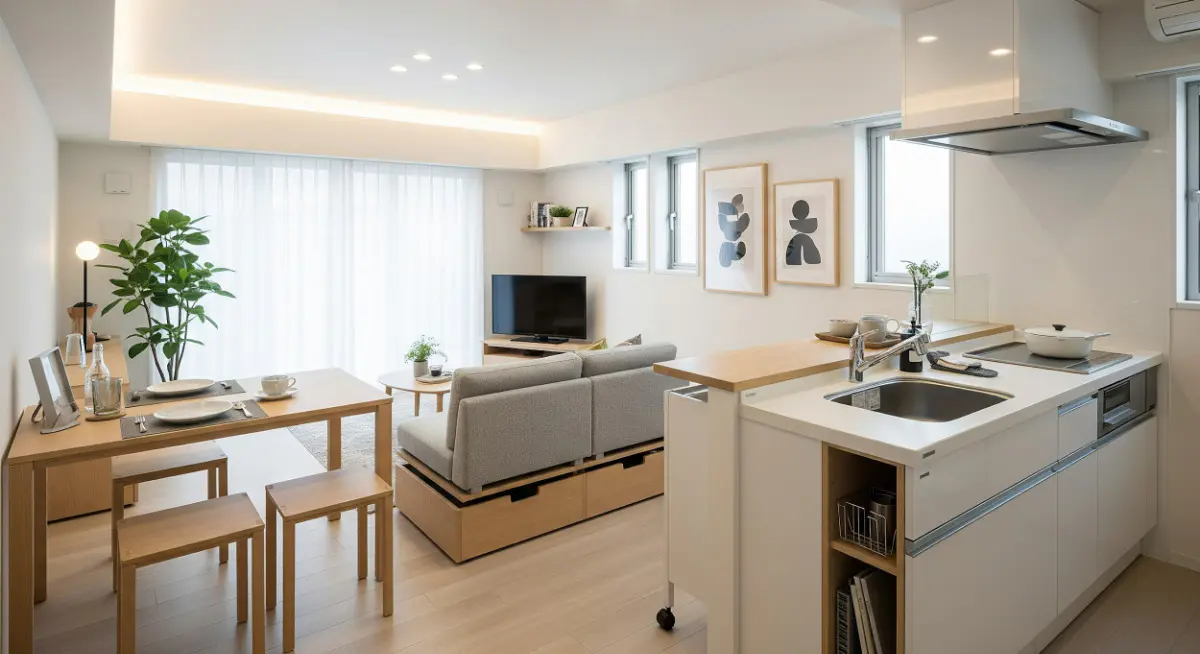
Urban apartments in Tokyo and Osaka are evolving, offering layouts that make even limited square footage feel refined and livable. Optimized storage, smart lighting, and thoughtful furniture placement contribute to a new standard for the small Japanese apartment layout, a style that is becoming increasingly popular among international residents.
Understanding Typical Japanese Apartment Layouts
Before browsing listings, it is helpful to understand the terminology used in Japan. Abbreviations like "LDK" define the room’s function: "L" stands for Living, "D" for Dining, and "K" for Kitchen. The number preceding these letters indicates the number of bedrooms (e.g., a 1LDK has one bedroom plus a living/dining/kitchen area).
Comparison of Common Japanese Apartment Sizes (1R to 2LDK+)
Understanding the average floor area and rent ranges for layouts ranging from 1R studios to 2LDK family units makes it easier to choose a typical Japanese apartment layout that fits both your budget and lifestyle. Because apartment sizes vary significantly by city and neighborhood, comparing multiple areas is essential.
Also, floor plans often measure individual room sizes in "Jo" (畳), which refers to the size of one traditional tatami mat (roughly 1.62 m² or 17.4 sq ft). Knowing this unique unit of measurement will help you better visualize the actual physical scale of the rooms beyond just the total square meters.
1R and 1K: Minimal but Functional Spaces for Single Living
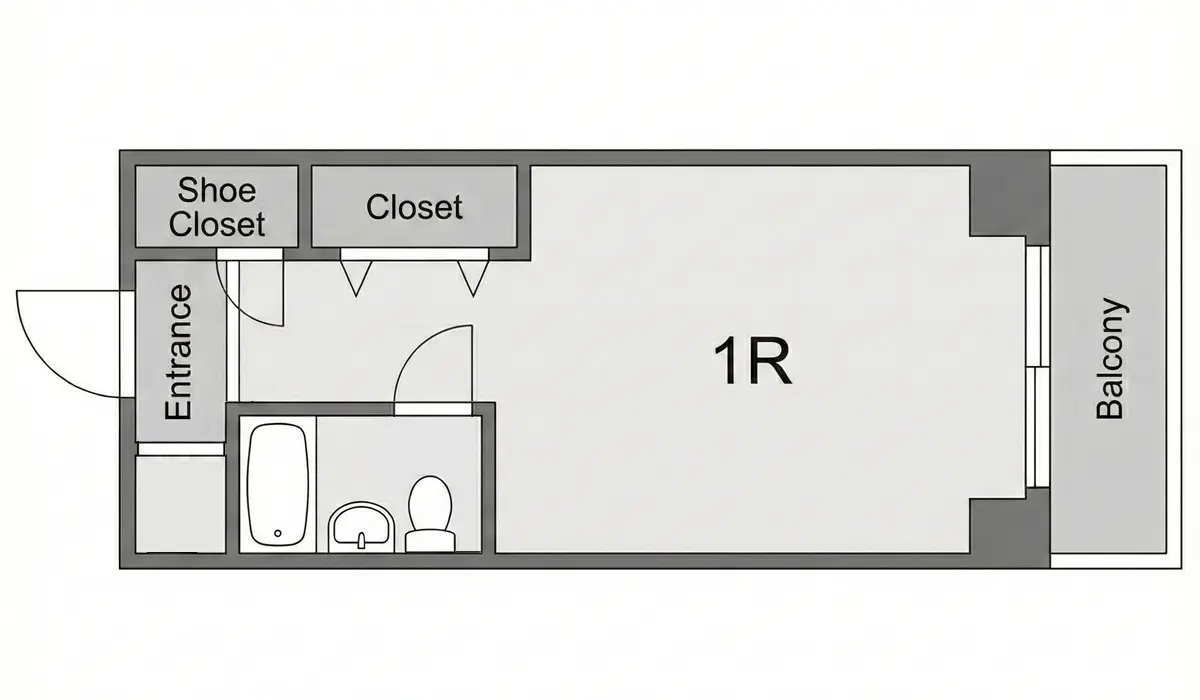
In Tokyo, 1R and 1K units typically range from 18 to 30 m² with average rents around ¥70,000 to ¥120,000. The key difference between the two is that a "1K" layout separates the kitchen from the main room with a door—helping to contain cooking odors—whereas a "1R" (Room) is a fully open studio.
These layouts offer all essential amenities within a compact footprint. To maximize space efficiency, many of these units feature a "3-piece unit bath," where the toilet, sink, and bathtub are integrated into a single waterproof room. Comfort in these spaces depends heavily on smart furniture selection and storage solutions. This small Japanese apartment layout style remains especially popular among single professionals who prioritize a convenient commute.
1LDK: A Well Balanced Layout for Higher Quality Living
A typical Tokyo 1LDK measures about 35 to 45 m² with rents generally between ¥140,000 and ¥220,000. The separation between the bedroom and the living, dining, and kitchen area creates a clear distinction between work and relaxation, making it a strong choice for couples and remote workers. The layout allows for flexible furniture placement and smooth movement throughout the home.
2LDK and Larger: Flexible Layouts for Families or Roommates
In Tokyo, 2LDK apartments usually range from 45 to 60 m² with average rents around ¥200,000 to ¥350,000. With multiple bedrooms and a defined shared living space, these japanese apartment layout 2 bedroom options support family living, couples, or setups that include a home office or room for children. They provide a strong balance of privacy and comfort. For more details, please refer to the dedicated 2LDK guide linked here.
Why Are Japanese Apartments So Small? Cultural and Urban Factors
Japanese apartments tend to be more compact than their Western counterparts due to a combination of urban structure, cultural norms, and evolving housing needs. High land prices, especially in densely populated cities like Tokyo, naturally reduce the amount of floor space available per resident. This leads developers to prioritize efficiency when designing buildings. The rise in single person households has also increased the demand for compact units, reinforcing the prevalence of small Japanese apartment layout styles. At the same time, advancements in insulation, soundproofing, and construction technology allow residents to live comfortably even in limited square footage. As a result, a cultural appreciation for practicality, changing demographics, and modern building techniques have all contributed to the widespread adoption of efficient and compact living spaces in Japan.
Japan’s “Space Saving Culture” That Surprises Many Foreign Residents
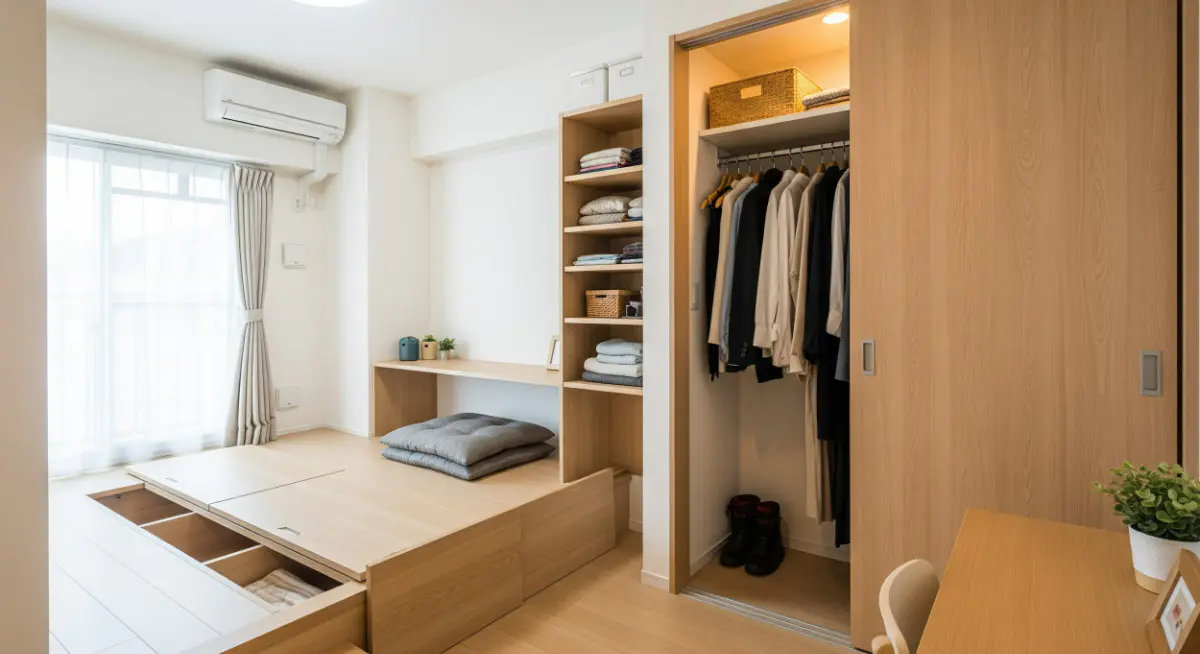
Many first time foreign residents are surprised by how comfortable daily life can be within the compact footprint of a typical Japanese apartment layout. Kitchens and bathrooms are significantly smaller than those in the US or Europe, yet they function smoothly thanks to thoughtful design and optimized movement. Storage solutions make use of every possible surface, including walls, high shelves, and underfloor compartments, allowing unused items to be neatly tucked away. Japanese homes also feature compact, uniformly sized furniture that minimizes visual clutter and maintains easy movement throughout the room. This efficient approach reflects a broader lifestyle mindset rooted in keeping only what is necessary and eliminating excess. It makes even a small Japanese apartment layout feel practical and livable.
Japanese Design Techniques That Make Small Spaces Feel Larger
Flexible Doors and Built In Storage That Transform the Space
Many Japanese apartments use sliding doors and movable partitions that allow residents to reconfigure rooms based on family needs or daily activities. Built in wall storage and underfloor compartments also help keep the space tidy, making even a small Japanese apartment layout feel organized and adaptable.
Creating a Sense of Openness With Light and Color
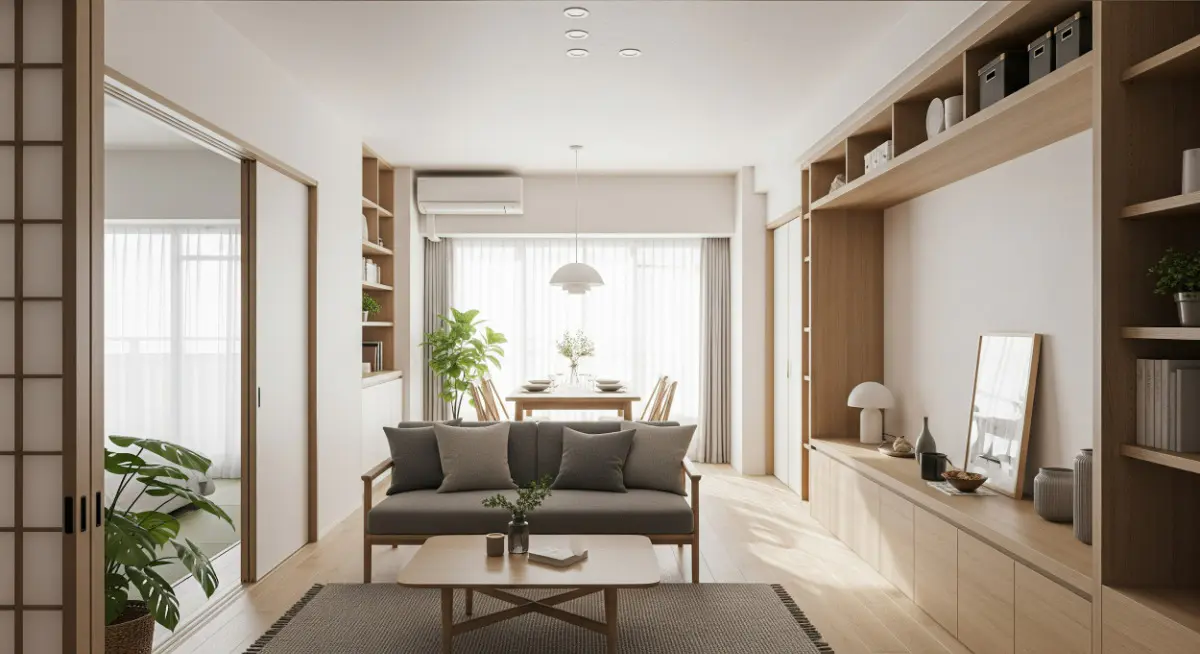
Interiors often feature bright, neutral color schemes and window placements designed to maximize natural light. Thoughtful lighting design and low profile furniture further enhance the sense of openness, allowing compact rooms to feel calm, airy, and more expansive than their actual size.
Optimizing Daily Living With Multifunctional Furniture
Foldable tables, beds with integrated storage, and wall mounted shelving systems help streamline daily living without obstructing movement. In Japanese homes, choosing the right multifunctional furniture can dramatically improve usability, making typical Japanese apartment layouts comfortable and efficient even within limited square footage.
Find a Compact but Comfortable Home With Japan Property
Japan Property features a wide selection of listings from agents who offer support in English and Chinese, making it easy to compare floor plans and photos as you search for the ideal home. You will find many apartments with smart space efficiency, strong storage solutions, and well designed typical Japanese apartment layouts, especially in popular cities like Tokyo and Osaka. For those moving to Japan for the first time, the platform provides peace of mind and a supportive environment that helps you navigate the housing market with confidence. Find your perfect home on Japan Property today.