
Tokyo Apartment Guide: Overview and Rental Prices in Shinjuku
Nov 29, 2025
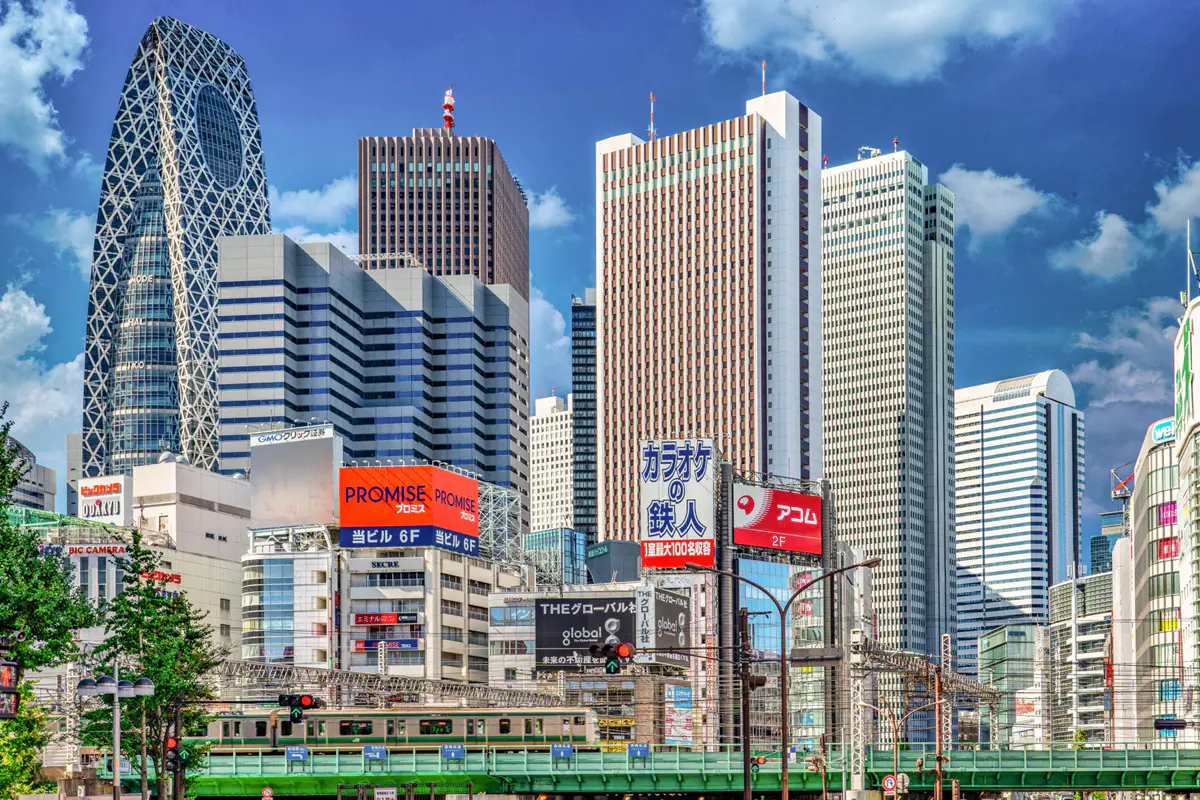
Located in the heart of Tokyo, Shinjuku is known as one of the busiest and most vibrant areas in Japan. Businesspeople, students, international tourists, exchange students, and young people who have moved to Tokyo from other regions all live, work, and study here. With excellent train and bus networks and plenty of shopping facilities, you can find everything you need for daily life. In this article, we’ll take a closer look at what makes the Shinjuku area unique, how livable it is, and the typical rent prices for apartments.
What Is the Area Around Shinjuku Station Like?
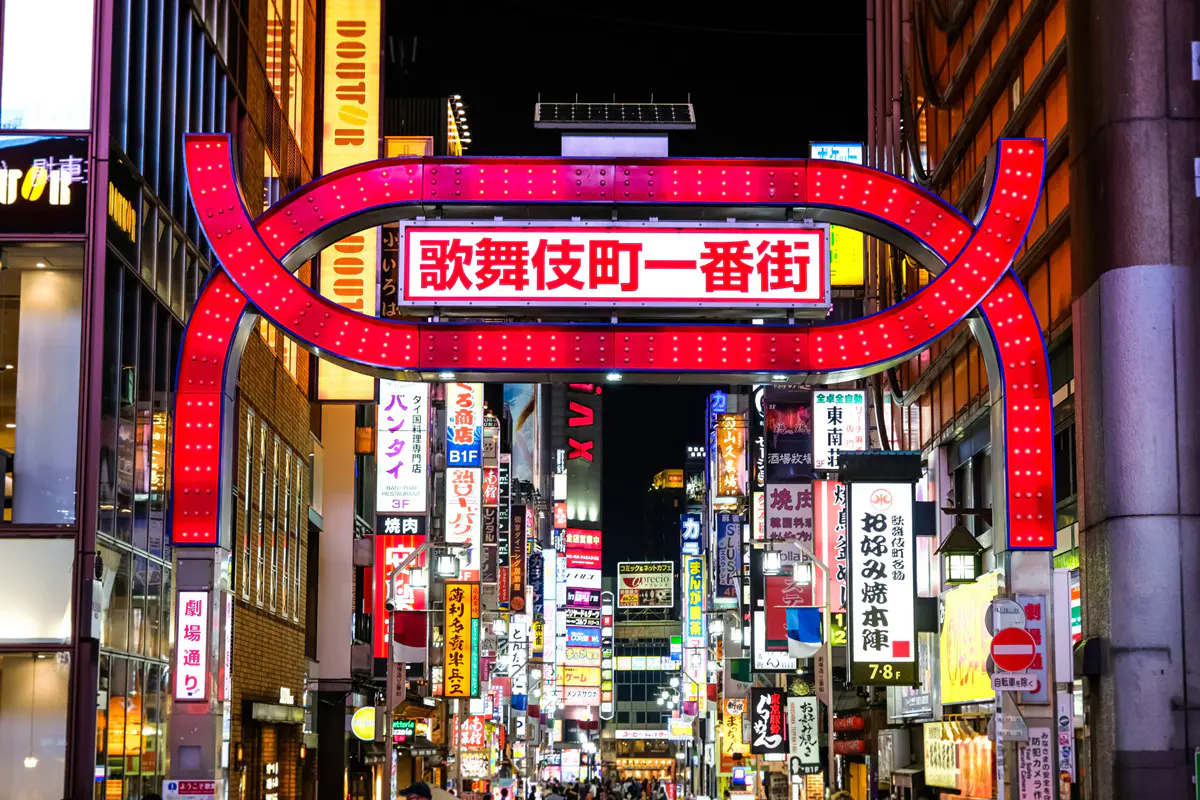
The area around Shinjuku Station is a symbol of Tokyo, where office districts, commercial facilities, entertainment districts, and residential neighborhoods are all mixed together. Its greatest strength is convenience—almost everything you could possibly need is within easy reach. Even late at night, the streets are bright and active, and the area is famous as a “city that never sleeps” operating 24 hours a day.
On the east side of the station, you’ll find Kabukicho and other large entertainment districts, packed with movie theaters, restaurants, and all kinds of nightlife and leisure facilities. On the west side, clusters of skyscrapers form a major business district hosting the offices of large corporations, along with key public facilities such as the Tokyo Metropolitan Government Building. Large-scale redevelopment is also underway, with plans for new high-rise mixed-use complexes combining retail, office space, and upgraded station functions.
The south and new-south exits have been transformed in recent years through urban redevelopment, with new commercial facilities such as NEWoMan opening and reshaping the atmosphere of the area.
Access and Convenience Around Shinjuku Station
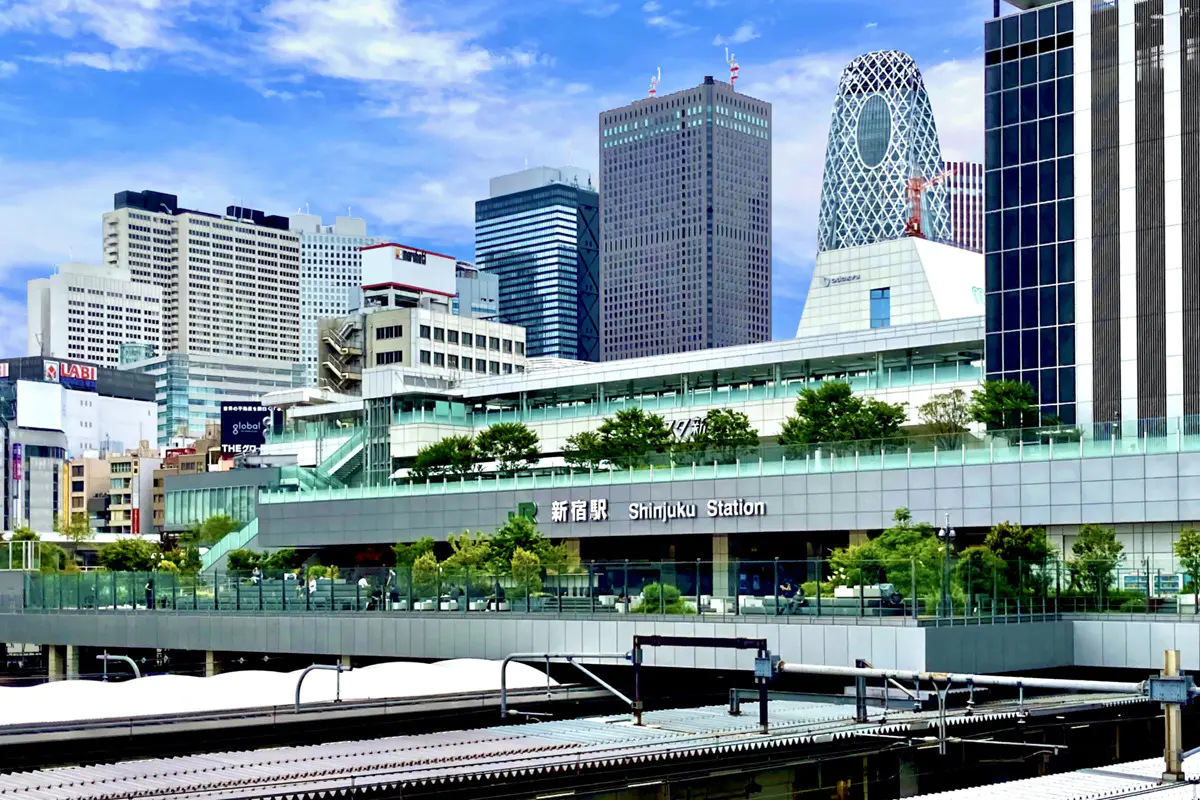
As one of Japan’s major terminal stations, Shinjuku attracts huge numbers of people from both within Japan and overseas. More than 10 different train lines run through the station, making it an extremely convenient base for getting almost anywhere in Tokyo. In addition to trains, bus routes are also well developed, so you’ll never have trouble finding a way to get around.
Train Access
The average number of passengers getting on and off at Shinjuku Station each day exceeds 3.5 million, the highest in the world. The main reason so many people use it is its exceptionally dense and extensive rail network. The following lines serve Shinjuku Station:
- JR Yamanote Line
- JR Saikyo Line
- JR Chuo–Sobu Line
- JR Shonan–Shinjuku Line
- Tokyo Metro Marunouchi Line
- Toei Shinjuku Line
- Toei Oedo Line
- Keio Line
- Keio New Line
- Odakyu Odawara Line
Because the station has many exits that are far apart, the layout is quite complex—so much so that even locals sometimes get lost. Until you get used to it, it’s a good idea to allow extra time when moving around the station.
Within walking distance of Shinjuku Station you’ll also find Shinjuku-sanchome Station, Shinjuku-nishiguchi Station, Seibu-Shinjuku Station, Nishi-Shinjuku Station, and others, which you can choose from depending on your destination and purpose. For example, from Seibu-Shinjuku Station you can take the Seibu Shinjuku Line toward Saitama. With so many stations within walking distance, you can reach almost anywhere in the greater Tokyo area without needing to transfer.
| Destination | Travel Time | Transfers | Line |
|---|---|---|---|
| Tokyo Station | About 15 min | 0 | JR Chuo Line |
| Shibuya Station | About 5 min | 0 | JR Saikyo Line |
| Ikebukuro Station | About 5 min | 0 | JR Saikyo Line |
| Shinagawa Station | About 20 min | 0 | JR Yamanote Line |
| Ueno Station | About 25 min | 0 | JR Yamanote Line |
| Yokohama Station | About 34 min | 0 | JR Shonan–Shinjuku Line |
Bus Access
The area around Shinjuku Station is also very well served by buses operated by Toei Bus, Odakyu Bus, Keio Bus, and others. From the west-exit bus terminal, frequent local buses connect to destinations across Tokyo such as Shinagawa, Waseda, and Nerima.
In 2016, “Busta Shinjuku,” Japan’s largest highway-bus terminal, opened at the south exit. From here, you can take highway buses to cities all over Japan, as well as limousine buses to Narita and Haneda airports, making it very convenient for both domestic travel and international flights.
Is Shinjuku a Good Place to Live? 7 Key Points
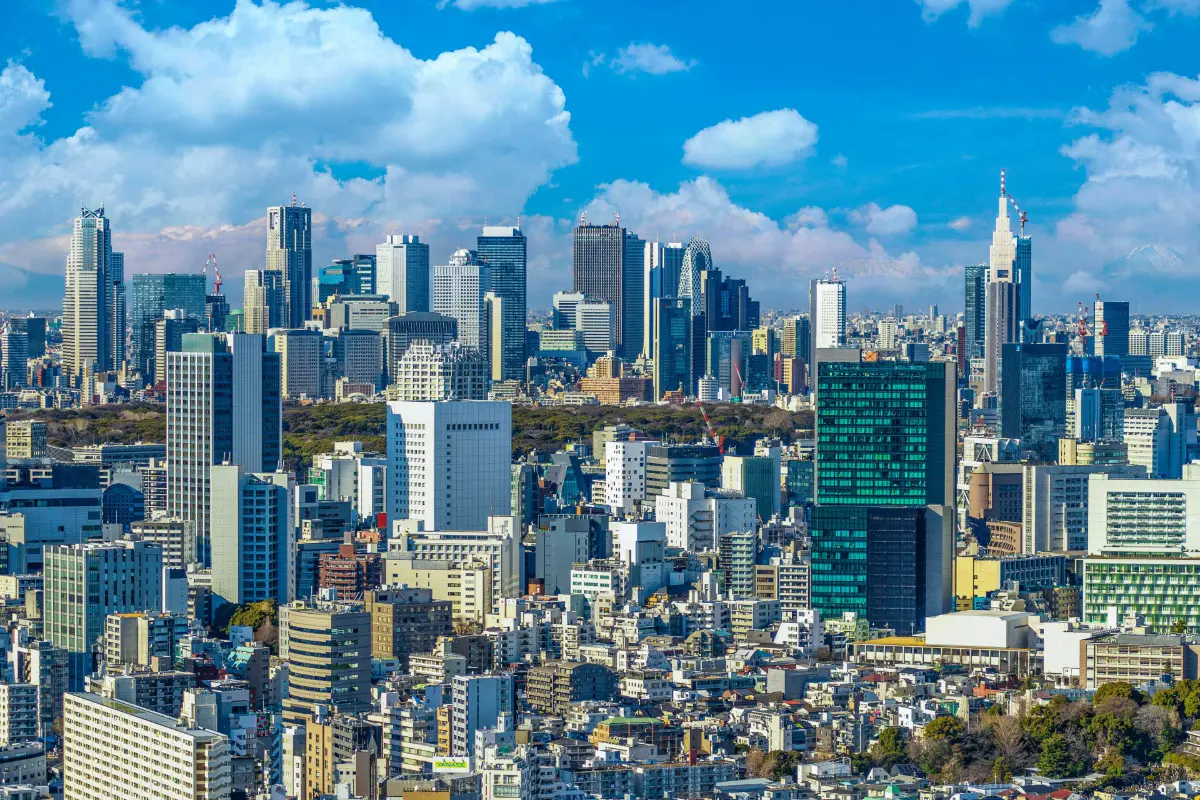
If you’re thinking about living in Shinjuku, you’ll naturally want to know how comfortable daily life actually is. Below, we’ll look at seven aspects of livability in the Shinjuku area. Use these points to see whether the neighborhood matches your lifestyle.
Plenty of Shopping Options for Every Need
Shinjuku offers a wide variety of large department stores and fashion buildings, giving you an incredible range of shopping options:
- Odakyu Department Store
- Takashimaya
- Isetan
- Keio Department Store
- Lumine Shinjuku
- Lumine EST Shinjuku
- NEWoMan Shinjuku
- Shinjuku Marui
- Flags
When you need electronics, large electronics retailers such as Yodobashi Camera, Bic Camera, and Yamada Denki are concentrated around the station, making it easy to compare prices before you buy. You’ll also find fashion brands like UNIQLO, GU, GAP, H&M, and ZARA, so you can pick up reasonably priced clothing nearby. From fashion to home appliances, Shinjuku makes it easy to get anything you need in one place.
Everyday Shopping Is Easy Too
It’s not just glamorous malls—there are also plenty of supermarkets where you can buy groceries and daily essentials. One characteristic of Shinjuku is the number of high-end supermarkets that focus on premium products, such as:
- KINOKUNIYA entre
- Seijo Ishii
- Bio c’ Bon / Bio-ral
- Kodawariya
- Meidi-ya
On the other hand, “Sanpei Store,” a supermarket directly connected to the underground Shinjuku Subnade shopping arcade, offers more affordable prices and is convenient for everyday shopping. You’ll also find stores like Nitori, MUJI, Tokyu Hands, and Don Quijote, so you can buy furniture and daily necessities nearby as well. With this many options, you can easily choose where to shop based on your budget and lifestyle.
Plenty of Leisure and Entertainment
Shinjuku is packed with leisure facilities for your free time. There are many movie theaters, where you can enjoy everything from the latest blockbusters to classic films, including:
- TOHO Cinemas Shinjuku
- Shinjuku Piccadilly
- Shinjuku Wald 9
- 109 Cinemas Premium Shinjuku
- Shinjuku Musashinokan
- Cinema Qualite Shinjuku
- Cinemart Shinjuku, and more
If you like baseball, “Shinjuku Batting Center” and “Oslo Batting Center Shinjuku” are fun options. At “Lumine the Yoshimoto,” you can enjoy daily live comedy shows and experience Japanese stand-up and variety-style comedy culture. There are also many karaoke spots and game centers, so even on rainy days you’ll have no trouble finding something to do.
A Huge Variety of Places to Eat and Drink
Shinjuku is famous as a fiercely competitive dining district, with an enormous number of restaurants ranging from popular independent spots to major chains and long-established eateries. Cafés, coffee shops, izakaya pubs, bars, Italian, Chinese, Japanese, Korean, Thai, and many other cuisines are available, so you can enjoy food from all over the world.
Two areas especially worth mentioning are Golden Gai and Omoide Yokocho (Memory Lane), well-known drinking alleys lined with small, characterful bars and eateries. Their nostalgic, retro atmosphere makes them popular with both locals and overseas visitors. Many places stay open late into the night, so even if you finish work late, you’ll still have plenty of options for dinner and drinks. Finding your own favorite regular spot can be part of the fun of living in Shinjuku.
Quieter Residential Areas Do Exist
The area immediately around Shinjuku Station and near Kabukicho is one of Japan’s busiest entertainment districts, and it can be noisy late into the night. However, Nishi-Shinjuku (West Shinjuku) is relatively calm by comparison. Because it’s primarily an office district filled with high-rise buildings, it’s busy with office workers during weekday daytime hours, but evenings and weekends are surprisingly quiet.
There are also many high-rise condominium and apartment buildings in this area, often with great views. With the Tokyo Metropolitan Government Building and Shinjuku Central Park nearby, it’s a great choice if you want the convenience of central Tokyo while still living somewhere relatively peaceful. If you’re not a fan of the hustle and bustle of entertainment districts but don’t want to give up Shinjuku’s convenience, West Shinjuku is a strong option.
Surprisingly Green, with Many Parks
Although many people picture Shinjuku as concrete and skyscrapers, it actually has a good number of parks and green spaces. Shinjuku Central Park is one of the largest parks in Shinjuku Ward, with lawns, jogging paths, and playground equipment for children. In summer, there are areas where kids can play in the water, and various events are held on weekends.
Shinjuku Gyoen National Garden covers more than 58 hectares and features three different garden styles: a Japanese traditional garden, a formal French garden, and an English landscape garden. It’s especially beautiful during cherry blossom season and in autumn when the leaves change color, offering a rare chance to experience the changing seasons right in the middle of the city. Smaller parks such as Shinjuku Promenade Park and Kashiwagi Park are also scattered around the area, providing convenient spots for walking, jogging, or taking a break.
Well-Developed Educational Environment
The area around Shinjuku Station is home to several universities, making it an attractive location for students as well.
- Kogakuin University
- Takarazuka University
- Tokyo Online University (Tokyo Communication University)
- Tokyo International Technical Professional University
- Japan Institute of Fashion (International Fashion Professional University)
There are also many language schools and vocational schools, making Shinjuku an ideal environment for international students who want to learn Japanese and for people looking to gain specialized skills. With plenty of reasonably priced restaurants around the station, it’s an easy place to manage a student budget. Many cafés have power outlets and Wi-Fi, so you’ll have no shortage of places to study or work.
Typical Rent Prices for Apartments Around Shinjuku Station
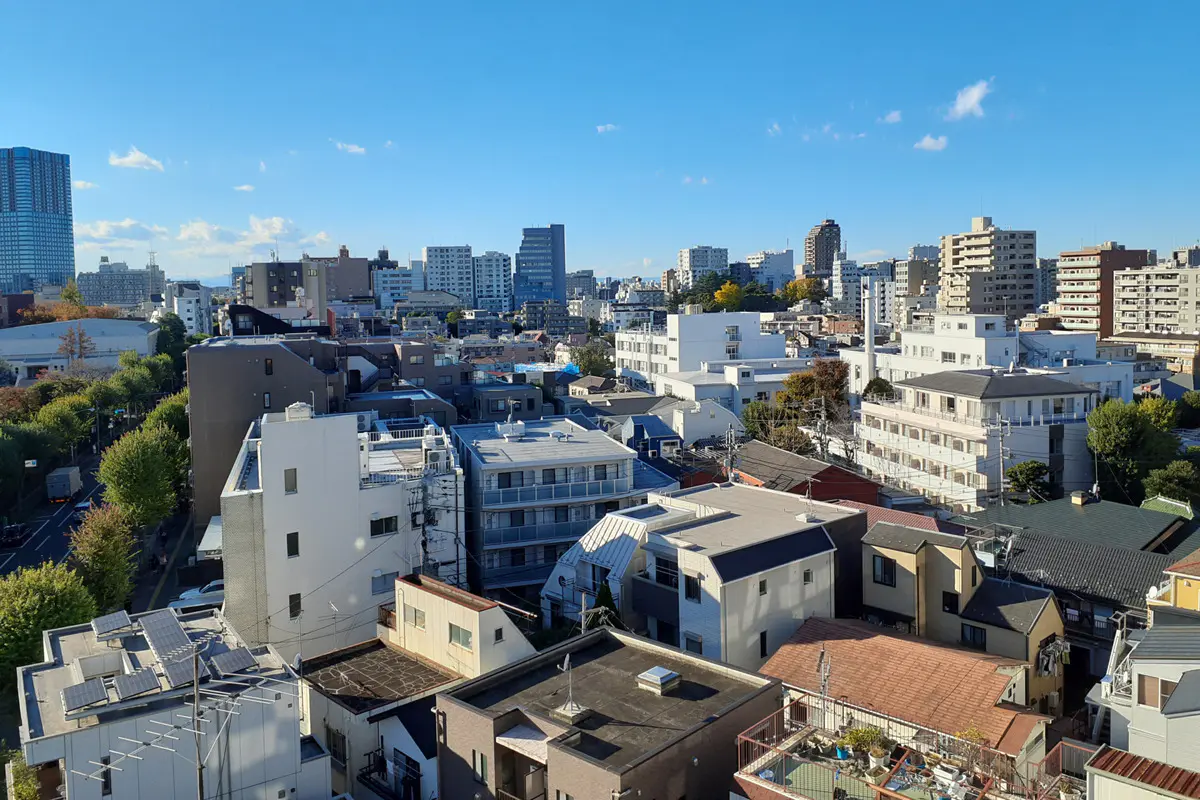
Because demand is high thanks to its central location, rental apartments around Shinjuku Station tend to be relatively expensive even by Tokyo standards. However, prices vary depending on factors such as distance from the station, building age, facilities, and floor level.
The table below shows typical rent ranges for apartments in Shinjuku:
| Studio | 1 Bed | 2 Beds | 3 Beds | |
|---|---|---|---|---|
| Shinjuku Station area | ¥117,200–¥131,900 | ¥146,000–¥213,200 | ¥186,000–¥296,000 | ¥296,000–¥535,000 |
Actual rent will vary widely based on factors such as distance to the station, building age, in-room facilities, and floor level. Please treat the amounts above as general guidelines only. When you search for a property, it’s important to compare options carefully and choose one that fits both your budget and your priorities.
For foreigners renting an apartment in Japan, language barriers and unfamiliar contract procedures can feel overwhelming. By working with a real estate agency that specializes in helping international residents, you can get support such as being shown properties that are foreigner-friendly and having contracts and key documents explained or translated for you. With the right support, you’ll be able to find a home in Shinjuku with much greater peace of mind.