
Tokyo Apartment Guide: Shibuya Area Overview & Rent Prices
Nov 6, 2025
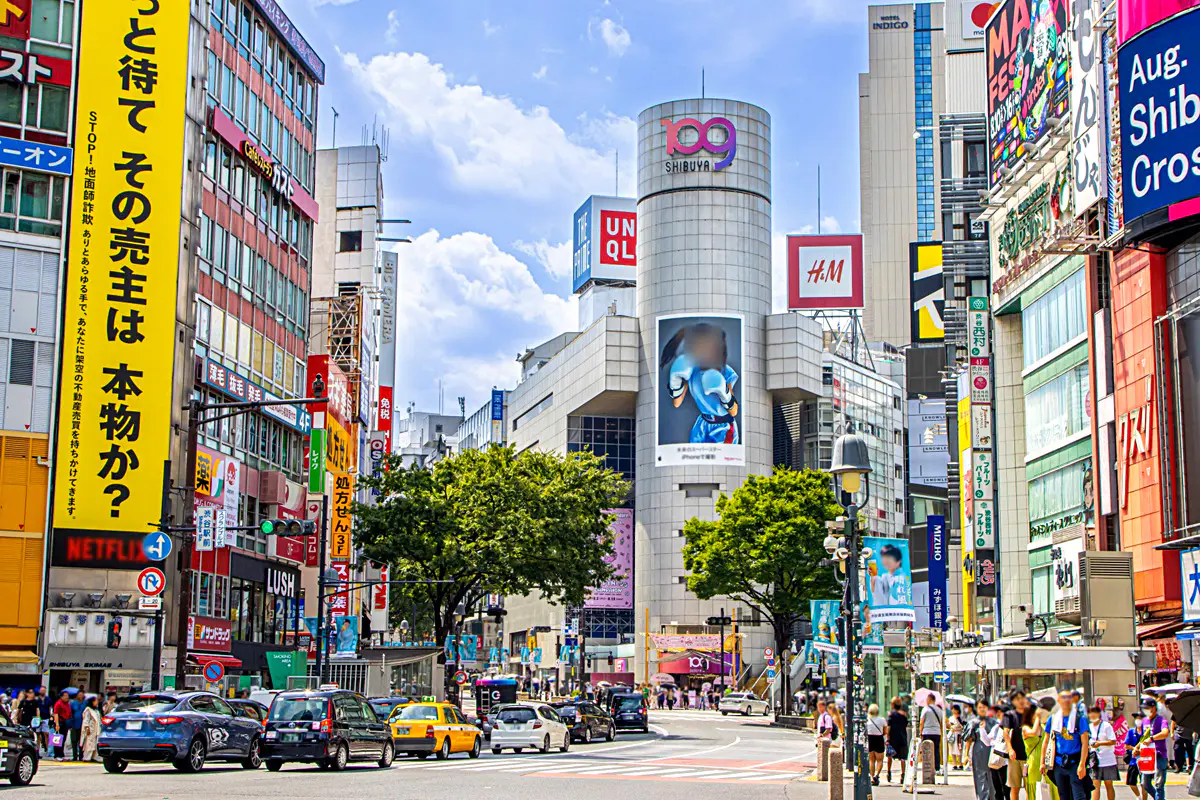
If you’re planning a new life in Japan, choosing where to live can feel overwhelming. Shibuya sits in central Tokyo with excellent transportation access. While it’s famous for its nightlife and shopping, it’s also a comfortable residential area. Large shopping complexes, supermarkets, and restaurants are abundant—everything you need for daily life is here. This article explains Shibuya’s key features, transportation, livability highlights, and typical rent levels.
What Is the Shibuya Station Area Like?
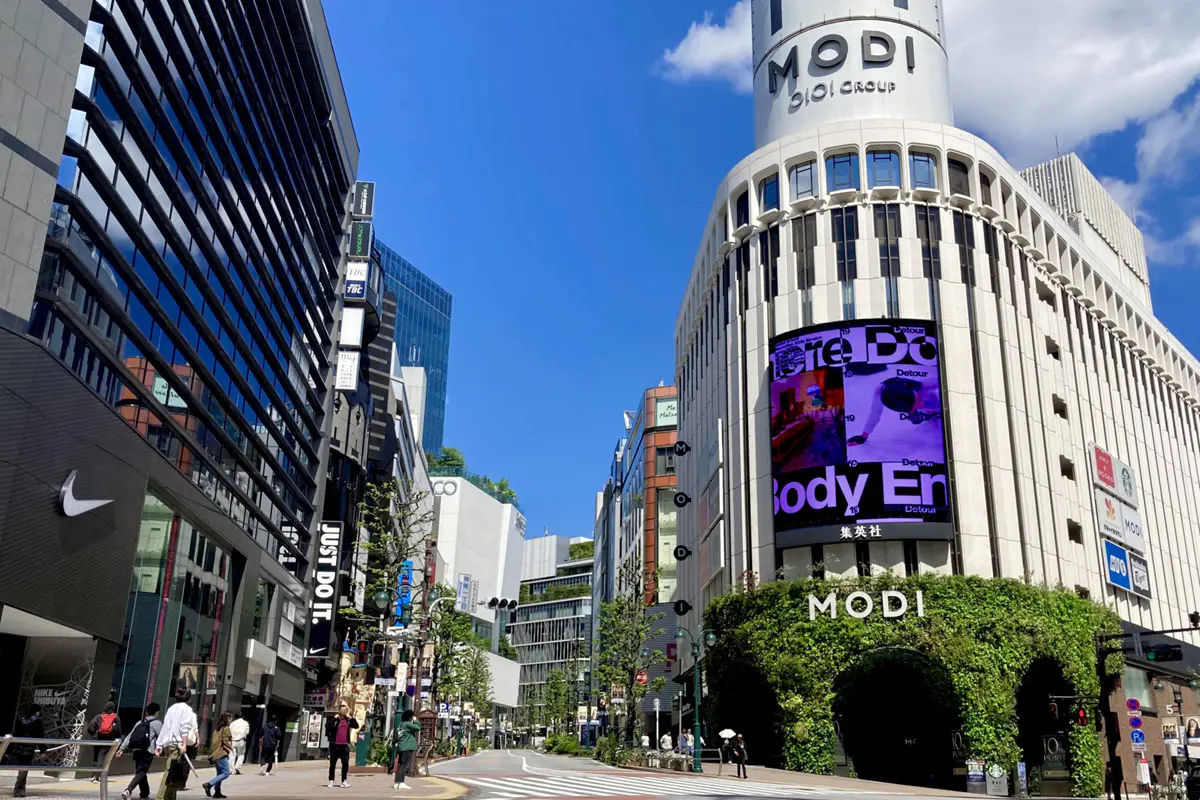
Shibuya is one of Tokyo’s best-known entertainment and shopping districts—the heartbeat of youth culture and trends. The iconic Shibuya Scramble Crossing in front of the station sees more than a thousand people crossing at once and is a symbol of modern Tokyo.
As the kanji for “Shibuya” includes the character for “valley,” Shibuya Station lies at the bottom of a basin surrounded by slopes. Once a rural area, it transformed rapidly into a “young people’s town” from the 1970s as fashion buildings opened one after another. In the 1990s, the “Shibuya-kei” wave in music and fashion took off, keeping Shibuya at the forefront of youth culture.
Major redevelopment continues around the station today, with new shopping centers and office towers opening regularly. This constant evolution—paired with superb convenience—is a big part of Shibuya’s appeal.
Access & Convenience Around Shibuya Station
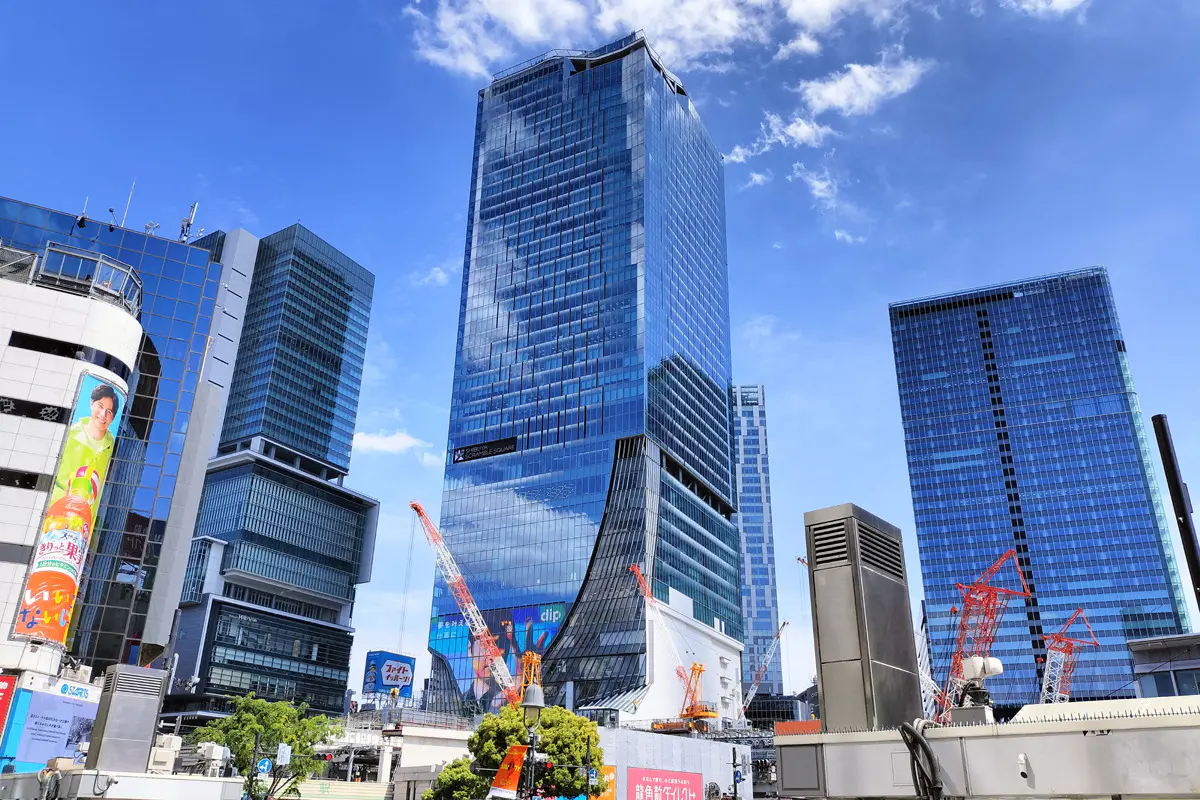
Outstanding train and bus networks make Shibuya highly livable. Getting around Shibuya Ward and to neighboring areas is smooth and simple.
Train Lines
Shibuya Station is a major Tokyo hub served by nine lines:
- JR Yamanote Line
- JR Saikyō Line
- JR Shōnan–Shinjuku Line
- Tōkyū Tōyoko Line
- Tōkyū Den-en-toshi Line
- Tokyo Metro Ginza Line
- Tokyo Metro Hanzōmon Line
- Tokyo Metro Fukutoshin Line
- Keiō Inokashira Line
The Yamanote Line takes you directly to major hubs like Shinjuku and Tokyo Station, while the Tōyoko and Den-en-toshi lines connect to Kanagawa. With multiple lines available, commuting, school runs, and weekend outings are convenient, and Shibuya functions as a key transfer node.
| Destination | Travel Time | Transfers | Example Route |
|---|---|---|---|
| Tokyo Station | About 26 min | 0 | JR Yamanote Line |
| Shinjuku Station | About 8 min | 0 | JR Yamanote Line |
| Ikebukuro Station | About 11 min | 0 | JR Saikyō Line |
| Shinagawa Station | About 14 min | 0 | JR Yamanote Line |
| Ueno Station | About 29 min | 0 | Tokyo Metro Ginza Line |
| Yokohama Station | About 30 min | 0 | Tōkyū Tōyoko Line |
Bus Options
Three main bus services depart from Shibuya Station:
- Toei Bus
- Tokyu Bus
- Hachiko Community Bus
Toei routes reach areas like Roppongi, Shimbashi, and Ikebukuro. Tokyu buses are convenient for Setagaya destinations such as Sangen-jaya and Komazawa. The Hachiko Bus is a community service operated by Shibuya Ward, with flat, low fares for short hops to spots like Ebisu and Daikanyama. Mix and match trains and buses for the most comfortable ride.
Is Shibuya Good for Everyday Living? 8 Reasons
Shibuya’s nightlife image is strong, but it also shines for day-to-day comfort. Here are eight livability points for the area.
1. Plenty of Shopping Right by the Station
There’s no shortage of large retail complexes around Shibuya Station:
- Shibuya Stream
- Shibuya Hikarie
- Shibuya Scramble Square
- MIYASHITA PARK
- Shibuya Mark City
- Shibuya Fukuras
- SHIBUYA 109
- Shibuya PARCO
- Tokyu Department Store
- Seibu Shibuya
From fashion and home goods to groceries and electronics, you can do it all here—often without stepping outdoors thanks to direct station connections. Cafés and restaurants inside many complexes make errands and meals easy to combine, even on rainy days.
2. Many Compact Supermarkets
Shibuya has a variety of supermarkets convenient for daily shopping:
- Life Shibuya Higashi: large, budget-friendly general supermarket
- Maruetsu Petit: compact but sufficient for solo living
- Kyūsūya: fresh produce, including organic vegetables
- Meidi-Ya Shibuya Store: strong selection of imported foods
- Tokyu Store Food Station Shibuya Cast: everyday groceries at reasonable prices
While suburban-style mega stores are rare, these options are near the station and easy to drop by after work or between errands.
3. Great Selection of Daily-Needs Stores
Beyond groceries, everyday essentials are easy to find. MEGA Don Quijote Shibuya is open 24 hours and carries nearly everything—from food and electronics to clothing and household items—often at low prices.
There are also many drugstores. Matsumoto Kiyoshi (Part 1) near the station is open 24 hours, so you can buy medicines, cosmetics, and daily goods late at night if needed.
4. Endless Dining Choices
With an enormous number of restaurants, you’ll never run out of options. Shibuya Yokocho and Nonbei Yokocho offer rows of cozy izakaya—perfect for tasting local pub culture. Ramen fans flock to “Hayashi” and “Kiraku” on Dogenzaka.
From chains to chef-owned spots, budget bites to fine dining, and even 24-hour venues—you’ll find Japanese, Western, Chinese, Italian, French, and global cuisines. The breadth of dining is a major perk of living in Shibuya.
5. A Variety of Movie Theaters
Film lovers will be at home here. TOHO Cinemas Shibuya is the largest, with six screens showing new releases and buzzworthy titles just minutes from the station.
Smaller indie theaters with distinct programming are also within walking distance:
- EUROSPACE
- Cinema Vera Shibuya
- Bunkamura Le Cinéma
- UPLINK Shibuya
- CINE QUINTO
- Shibuya HUMAX Cinema
- Humantrust Cinema Shibuya
- Theatre Image Forum
- Shibuya TOEI
6. A Hub for Art & Music
Shibuya also thrives as a center of the arts, with multiple museums:
- Bunkamura The Museum: unique special exhibitions
- Shoto Museum of Art: diverse, rotating shows
- Toguri Museum of Art: Japanese and international ceramics
- Tokyo Wonder Site Shibuya: works by emerging artists
- Gallery TOM: museum designed for the visually impaired
The club scene is lively, too—“WOMB,” “club asia,” and “ATOM TOKYO” are popular with locals and visitors alike, especially on weekends.
7. Plenty of Green Spaces
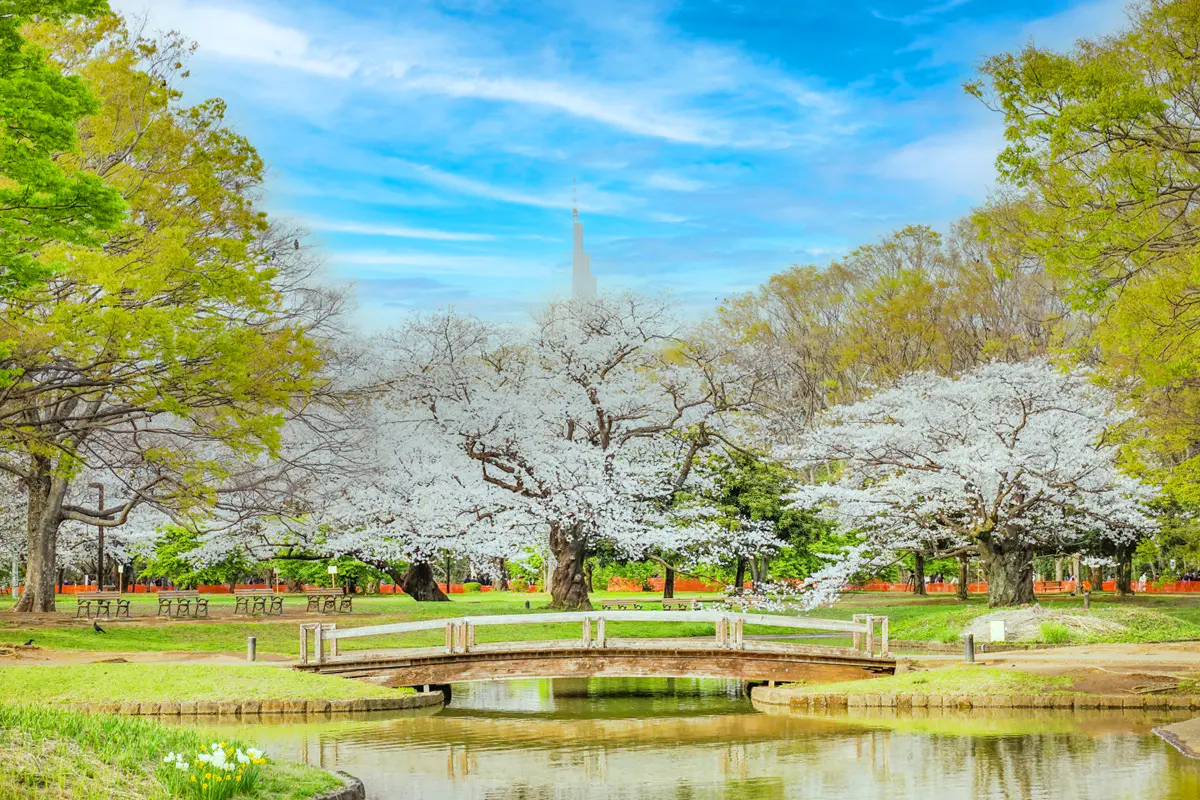
Despite its busy image, Shibuya has several green parks. Yoyogi Park is about a 10-minute walk from the station and is one of the largest metropolitan parks in central Tokyo, with running paths, open lawns, and beautiful cherry blossoms in spring.
Nabeshima Shoto Park features a pond and a waterwheel—great for a quiet break in nature. Sakuraoka Park near Cerulean Tower is a small pocket park where office workers often relax at lunchtime.
8. Calmer Residential Pockets Near the Station
Not every corner of Shibuya is bustling. The Shinnan-guchi (New South Exit) side is generally quieter than the West/East/Hachiko exits, with more offices and housing a little removed from the nightlife—good for everyday living.
Neighborhoods like Nanpeidai-chō and Sakuragaoka-chō around Cerulean Tower, and Shinsen-chō and Shōtō beyond Dogenzaka, are leafy, upscale residential areas within walking distance of the station.
Typical Rents for Apartments Near Shibuya Station
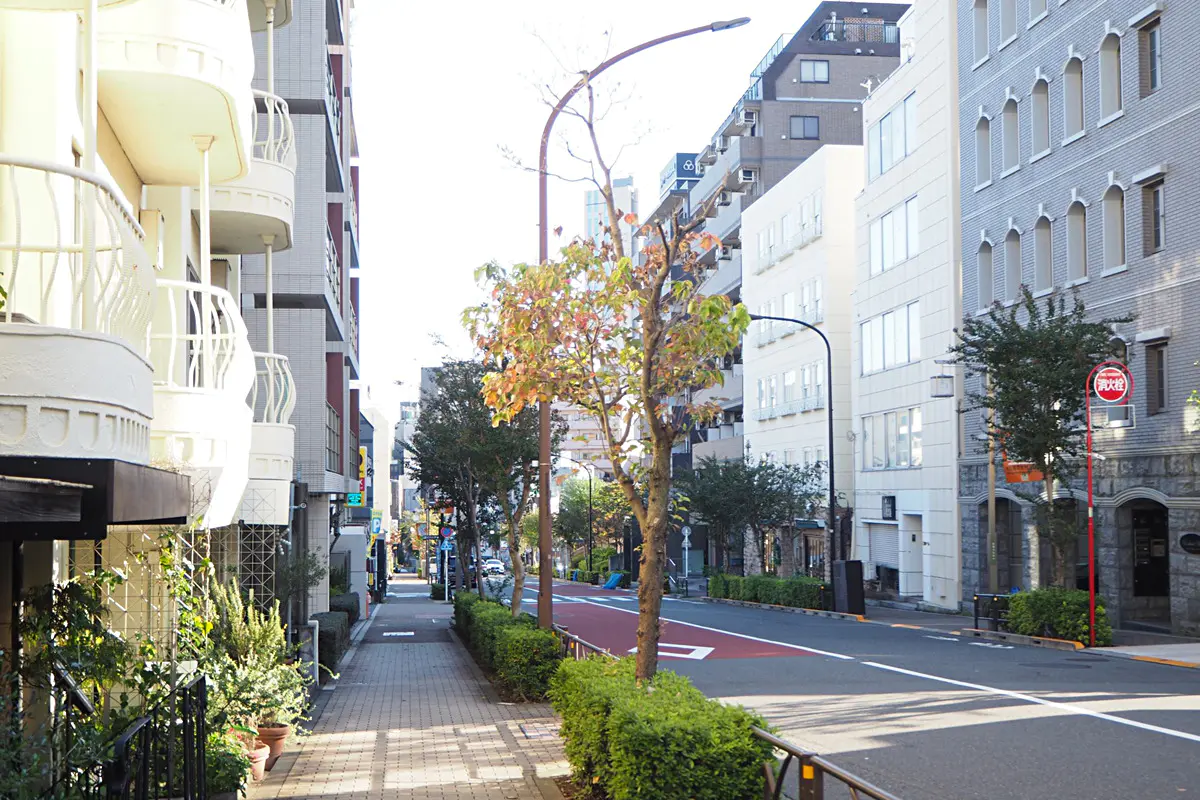
Shibuya is one of the pricier rental markets in Tokyo. You pay a premium for proximity and convenience, though moving slightly farther from the station can bring prices down. Floor plan, building age, amenities, and floor level all affect rent, so balance your must-haves against budget.
Approximate monthly rent ranges:
| Area / Station | Studio | 1Bed | 2Beds | 3Beds |
|---|---|---|---|---|
| Shibuya Station | ¥128,000–¥196,000 | ¥241,000–¥339,000 | ¥369,000–¥678,000 | ¥583,000–¥1,243,000 |
Actual prices vary based on distance to the station, building age, in-unit features, and floor. Treat the above as a rough guide.
If you’re a foreign resident renting in Japan, language and paperwork can be challenging. Working with an agency experienced with international renters can help with finding foreigner-friendly units, guarantor arrangements, and contract translation support—making your search smoother and more secure.