
What Is Minpaku (Airbnb) in Japan? Latest Regulations & Investment Guide
Jul 8, 2024 | Updated: Oct 28, 2026

As international tourism to Japan grows, minpaku properties (short-term rentals) have attracted interest as a real estate investment option.
However, more local governments are tightening minpaku regulations in response to concerns such as disputes with neighbors. In 2026, Osaka City stopped accepting new applications for Special Zone Minpaku, while several Tokyo wards have moved toward stricter restrictions on operating areas and periods.
This article covers minpaku demand, profitability, the main legal frameworks, and the latest regulations in major cities. It also highlights regulatory risks and key considerations for foreign investors planning to purchase and operate minpaku properties.
Note: Minpaku regulations may change over time. Before purchasing a property for short-term rental use, investors should consider the possibility of tighter restrictions and alternative uses, such as converting the property to a long-term rental. Always check the latest official information from the relevant local government before purchasing a property or starting operations.
Browse Properties for Sale Across Japan
Minpaku Demand in Japan and Its Potential as a Real Estate Investment

Demand for accommodations in Japan has increased alongside the growing number of international visitors. According to the Japan National Tourism Organization (JNTO), Japan welcomed approximately 42.68 million international visitors in 2025, setting a new record.
Data from the Japan Tourism Agency also shows that accommodations registered under the Private Lodging Business Act recorded approximately 1.63 million guest nights in June and July 2026, a 31.2% increase compared with the same period in 2025. These figures indicate continued demand for minpaku accommodations in Japan.
Unlike traditional long-term rentals, minpaku is a hospitality business where revenue fluctuates based on nightly rates and occupancy. While operators may benefit from tourism demand, profitability depends heavily on factors such as property location, operating costs, and restrictions on the number of days a property can accommodate guests.
For investors considering minpaku as a real estate investment, it is therefore essential to assess not only market demand but also applicable regulations and the financial viability of individual properties.
References: Japan National Tourism Organization (JNTO), "Visitor Arrivals for December 2025 (Preliminary Figures)"; Minpaku System Portal, "Implementation Status of the Private Lodging Business Act";
Learn more about real estate investment in Tokyo and property prices by area
What Is Minpaku in Japan? Key Regulations and Operating Rules
Minpaku refers to the practice of renting out all or part of a residential property to travelers and other guests for short-term stays. In Japan, operating a minpaku property through platforms such as Airbnb generally requires completing the necessary registration, licensing, or certification procedures under one of three legal frameworks.
| Legal Framework | Required Procedure | Annual Operating Limit | Key Features |
|---|---|---|---|
| Private Lodging Business Act (Minpaku Law) | Notification | Up to 180 days | Applies to residential properties that meet facility and residential-use requirements. Additional local restrictions may apply. |
| Inns and Hotels Act (Simple Lodging Business) | License | No annual limit | Properties must meet applicable building and facility standards. |
| National Strategic Special Zones Act (Special Zone Minpaku) | Certification | No annual limit | Available only in designated areas. Guests must generally stay at least two nights and three days. |
Private Lodging Business Act (Minpaku Law)
The Private Lodging Business Act allows property owners to offer short-term accommodations in residential properties. Operators can start a business by submitting a notification to the relevant prefectural governor or other designated authority. However, operations are limited to a maximum of 180 days per year.
Properties must meet certain facility requirements, including a kitchen, bathroom, toilet, and washbasin, as well as conditions that qualify the property as a residence. Local ordinances may impose additional restrictions on operating periods or permitted areas. In principle, operators of host-absent properties must also outsource property management to a registered residential accommodation management company.
Reference: Minpaku System Portal, "What Is the Private Lodging Business Act (Minpaku Law)?"
Inns and Hotels Act (Simple Lodging Business)
Under Japan's Inns and Hotels Act, operators can run accommodations classified as simple lodging businesses by obtaining a license from the relevant local authority, such as a municipality with its own public health center.
Unlike properties operating under the Private Lodging Business Act, these accommodations are not subject to the 180-day annual limit and can operate year-round. However, they must meet standards for building structure, facilities, and sanitation, while also complying with zoning restrictions, the Building Standards Act, and the Fire Service Act.
Shinjuku Ward has announced plans to prohibit the establishment of new small-scale lodging facilities under the Inns and Hotels Act. As of October 2026, the proposed ordinance amendments are undergoing public consultation and have not yet taken effect. Therefore, the absence of an annual operating-day limit does not necessarily mean that opening a business is straightforward.
References: Ministry of Health, Labour and Welfare, "Inns and Hotels Act"; Shinjuku City, "Mayor's Briefing Summary (September 8, 2026)"
National Strategic Special Zones Act (Special Zone Minpaku)
Special Zone Minpaku is a system that permits short-term accommodations in designated areas under the National Strategic Special Zones Act. After obtaining certification from the relevant local government, operators can provide lodging under an exemption from certain requirements of the Inns and Hotels Act.
There is no annual limit on operating days, but guests are generally required to stay for at least two nights and three days. The system is available only in designated locations, and eligible areas and certification requirements vary by municipality. In recent years, some local governments have suspended new applications, making it essential to check the latest local rules and application status.
References: Minpaku System Portal, "Introduction to Minpaku"; Osaka City, "End of New Applications for Special Zone Minpaku";
Are Minpaku Regulations Becoming Stricter in Japan? Latest Regulatory Developments
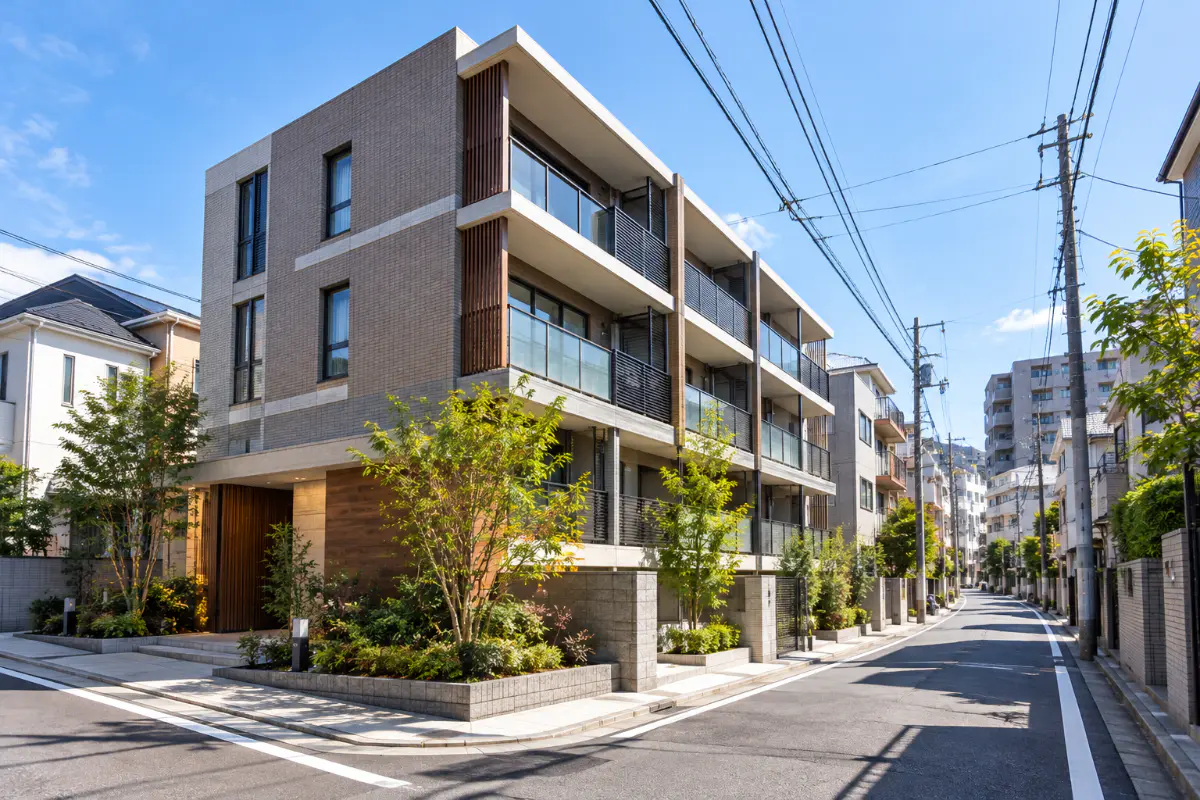
In recent years, local governments across Japan have moved toward stricter minpaku regulations, partly due to concerns about the impact of short-term rentals on residential neighborhoods. In July 2026, the national government issued new guidance on how municipalities can restrict minpaku operations.
This section explains the government's guidance and the concept of "zero-day restrictions," which can effectively prohibit minpaku operations.
July 2026 Government Guidance: What Are "Zero-Day Restrictions" on Minpaku?
On July 15, 2026, the Japan Tourism Agency and other government authorities issued technical guidance to local governments on "zero-day restrictions" and other measures affecting minpaku operations under the Private Lodging Business Act.
The guidance clarifies that municipalities may use local ordinances to prohibit new minpaku operations or restrict operating days in areas where short-term rentals could negatively affect the living environment, such as residential neighborhoods and areas near schools.
It also indicates that restrictions may be imposed on existing facilities under certain conditions in areas where minpaku properties are already concentrated and have significantly affected the local living environment. Municipalities may also consider requiring operators to implement management measures, such as noise monitoring devices and entrance cameras, through local ordinances.
However, this guidance does not amend national law, nor does it impose a nationwide ban on minpaku. Specific restrictions vary by municipality, making it essential for prospective investors to check the latest local regulations before purchasing a property.
Reference: Japan Tourism Agency, Ministry of Health, Labour and Welfare, and Ministry of Land, Infrastructure, Transport and Tourism, "Technical Guidance on Zero-Day Restrictions and Related Measures" (PDF)
Tokyo Minpaku Regulations: Operating Rules by Ward
In Tokyo, minpaku properties registered under the Private Lodging Business Act are subject to a maximum of 180 operating days per year. Individual wards may also impose additional restrictions on where and when short-term rentals can operate.
Regulations vary by ward. For example, some prohibit weekday operations in exclusively residential zoning districts. Different rules may also apply to existing properties and newly registered accommodations, making it essential to review the latest local ordinances before purchasing a property.
Below is an overview of minpaku regulations in major Tokyo areas as of October 2026.
Minpaku Regulations in Major Tokyo Wards: Shinjuku, Shibuya, Taito, and Toshima
Major Tokyo wards have introduced the following restrictions on minpaku operations.
| Area | Regulatory Status | Key Restrictions |
|---|---|---|
| Shinjuku Ward | Current rules in effect; additional restrictions proposed | Current: Operations are prohibited from noon Monday to noon Friday in exclusively residential zoning districts. Proposed: New minpaku facilities would generally be prohibited in residential zoning districts, while operations in commercial zoning districts would be limited to 120 days per year. |
| Shibuya Ward | In effect since July 1, 2026 | Operating periods are restricted in exclusively residential zoning districts, educational districts, and certain other areas. For properties registered on or after July 1, 2026, restrictions also extend to Category I and II Residential Districts and Quasi-Residential Districts. Previously registered properties remain subject to the earlier rules. |
| Taito Ward | In effect since October 1, 2026 | Properties whose notifications are accepted on or after October 1, 2026, are subject to weekday operating restrictions, regardless of whether the host lives on-site. Existing properties are exempt from the new operating-period restrictions. |
| Toshima Ward | Ordinance amendments in effect; operating-period and area restrictions effective December 16, 2026 | All properties, including existing facilities, will be limited to a total of 120 operating days during designated spring (March 15–April 10), summer (July 1–August 31), and winter (December 15–January 14) periods. New facilities will be prohibited in exclusively residential districts, residential districts, quasi-industrial districts, and educational districts. |
Note: These restrictions apply to minpaku operations under the Private Lodging Business Act. Separate rules apply to accommodations licensed under the Inns and Hotels Act or operated under the Special Zone Minpaku system.
References: Shinjuku City, "Private Lodging Businesses and Shinjuku Ward Regulations"; Shinjuku City, "Mayor's Briefing Summary (September 8, 2026)"; Shibuya City, "Overview of Ordinance and Regulation Amendments"; (PDF); Taito City, "Amendments to Taito Ward's Private Lodging Business Ordinance"; Toshima City, "Amendments to the Private Lodging Business Ordinance";
Shinjuku Ward has announced plans to extend new restrictions to existing minpaku properties, with a two-year transition period following the ordinance's implementation. However, the changes remain proposals, and no effective date has been set.
As these examples show, operating conditions in Tokyo can vary significantly depending on a property's location and registration date. Investors planning to enter the market should also monitor upcoming ordinance amendments that could affect future operations.
Minpaku Regulations in Osaka, Kyoto, Hokkaido, and Fukuoka
Outside Tokyo, minpaku regulations and licensing procedures vary by location. Osaka City has stopped accepting new applications for Special Zone Minpaku, while Kyoto and parts of Hokkaido impose restrictions on operating areas and periods. In Fukuoka, operators must also check the appropriate registration authority and facility requirements under the Inns and Hotels Act.
Osaka: End of New Special Zone Minpaku Applications and Current Regulations
Osaka City stopped accepting new applications for Special Zone Minpaku on May 29, 2026. Properties that have already received certification may continue operating. However, anyone planning to start a new minpaku business must consider filing a notification under the Private Lodging Business Act or obtaining a license under the Inns and Hotels Act.
Under Osaka City's local ordinance, minpaku operations under the Private Lodging Business Act are restricted year-round in exclusively residential zoning districts, with certain exceptions.
In areas within 100 meters of the grounds of elementary schools or compulsory education schools, operations are generally prohibited from noon on Monday to noon on Friday.
As eligibility for exceptions depends on the individual property, prospective buyers are advised to confirm the applicable requirements with Osaka City before purchasing.
References: Osaka City, "End of New Applications for Special Zone Minpaku"; Osaka City, "Private Lodging Business";
Kyoto: Restrictions on Minpaku Operating Periods and Locations

In Kyoto City, host-absent minpaku properties operating under the Private Lodging Business Act in exclusively residential zoning districts are generally permitted to operate only from noon on January 15 to noon on March 16.
Host-absent properties must also generally have a local manager stationed either on the premises or within approximately a 10-minute walk (roughly 800 meters by walking route).
Even properties operating as simple lodging businesses under the Inns and Hotels Act are generally prohibited in exclusively residential zoning districts and certain other areas. Additional restrictions also apply to accommodations in apartment buildings.
Investors considering a minpaku property in Kyoto should therefore verify not only where and when the property can operate, but also whether they can meet the local management requirements.
Reference: Kyoto City, "For Those Considering Operating Minpaku Accommodations in Kyoto City"
Hokkaido: Minpaku Regulations in Sapporo and the Niseko Area
In Hokkaido, the applicable regulations and registration authorities differ between Sapporo City and other municipalities.
Under Sapporo's local ordinance, minpaku operations are generally restricted on school days within 100 meters of the entrances to elementary and junior high schools and certain other educational facilities. In designated exclusively residential zoning districts and other specified areas, operations are generally restricted except on weekends, national holidays, and during the year-end and New Year holidays.
These restrictions apply under certain conditions, including whether the property is operated without a resident host.
Outside Sapporo, Hokkaido's prefectural ordinance also restricts minpaku operations by location and operating period.
For example, Kutchan Town, near Niseko, has restrictions in areas surrounding elementary and junior high schools and in certain residential zoning districts. Effective June 1, 2026, these restrictions were expanded to include additional residential areas.
Prospective buyers are advised to confirm the applicable rules with the town or Hokkaido prefectural government before purchasing a property.
References: Sapporo City, "Ordinance on Restrictions on Private Lodging Business Operations"; Hokkaido Government, "Ordinance on Restrictions on Private Lodging Business Operations"; Kutchan Town, "Inquiries Regarding Minpaku";
Fukuoka: Registration Authorities and Operating Requirements for Minpaku
In Fukuoka Prefecture, notifications for private lodging businesses under the Private Lodging Business Act are handled by the prefectural Environmental Health Division, including those for properties located within Fukuoka City.
However, operators planning to run accommodations under the Inns and Hotels Act within Fukuoka City must obtain an operating license from the city's public health center.
Fukuoka City has specific requirements for buildings used for both lodging and residential purposes, as well as the installation of reception desks or front desk facilities. Exceptions may be available if certain conditions are met.
In urbanization control areas, minpaku operations under the Private Lodging Business Act may also be restricted depending on the building's permitted use and conditions relating to its residents.
References: Fukuoka Prefecture, "Overview of the Private Lodging Business Act"; Fukuoka City, "For Those Considering Providing Minpaku Accommodation Services";
Can Foreign Nationals Operate a Minpaku Business in Japan?
Foreign nationals who wish to operate a minpaku business in Japan must follow the same legal procedures required under Japanese law. While it is possible to manage a minpaku property from overseas, operators must establish an appropriate local management system and, when applicable, confirm their status of residence requirements.
Can You Operate a Minpaku Business While Living Overseas?
Foreign nationals living overseas can own real estate and operate minpaku businesses in Japan. However, property ownership alone does not grant permission to operate short-term accommodations. Operators must complete the necessary registration or licensing procedures and establish a suitable property management system in Japan.
Some municipalities also require overseas-based operators to appoint a local representative. For example, Toshima Ward requires individual operators without a residential address in Japan and foreign corporations to appoint a representative who resides in Japan when operating under the Private Lodging Business Act. This requirement is separate from the obligation to outsource property management to a registered residential accommodation management company.
Foreign nationals who intend to reside in Japan and personally manage their business must also hold an appropriate status of residence for their activities. The eligibility requirements for the "Business Manager" status of residence were revised on October 16, 2025. Purchasing a minpaku property does not automatically qualify an investor for this status.
References: Toshima City, "Private Lodging Business Act: Information for Operators"; Immigration Services Agency of Japan, "Revisions to the Landing Permission Criteria for the Business Manager Status of Residence";
Your Guide to Buying Property in Japan
Procedures and Management Requirements for Starting a Minpaku Business
Before starting a minpaku business in Japan, investors must first assess the property's location and building conditions to determine which legal framework applies.
Depending on the type of operation, the required procedures may include submitting a notification under the Private Lodging Business Act, obtaining a license under the Inns and Hotels Act, or securing certification for Special Zone Minpaku.
Before opening, operators must also establish systems to comply with fire safety regulations, maintain sanitary conditions, keep guest records, and respond to complaints from neighbors. For host-absent properties operating under the Private Lodging Business Act, management must generally be outsourced to a registered residential accommodation management company.
Overseas-based operators, in particular, need to arrange reliable local support for guest services and property maintenance before beginning operations.
Property Management in Japan: What Foreign Investors Should Know
What to Check Before Buying a Minpaku Property in Japan

Before purchasing a minpaku property in Japan, investors should evaluate more than just its location and purchase price. It is essential to confirm whether the property can legally operate as a short-term rental and assess its potential profitability.
Investors should also consider possible changes to local regulations and choose properties with long-term investment viability in mind.
Zoning Restrictions, Local Ordinances, and Building Management Rules
Before purchasing a minpaku property, check the applicable zoning regulations, local ordinances, and restrictions on how the building can be used.
Properties operating under the Private Lodging Business Act may face restrictions on operating areas and periods imposed by local ordinances. Meanwhile, properties seeking to operate as simple lodging businesses under the Inns and Hotels Act may be prohibited in certain zoning districts.
Condominium buildings may also prohibit short-term rentals under their management bylaws. Properties must also comply with the Building Standards Act and the Fire Service Act.
Before purchasing, investors should confirm the applicable requirements with the local government, condominium management association, and relevant professionals as needed.
Profitability Based on Operating Days and Expenses
When evaluating the profitability of a minpaku investment, investors must consider not only expected nightly rates and occupancy but also restrictions on operating days under national and local regulations.
Under the Private Lodging Business Act, operations are generally limited to 180 days per year, although some municipalities impose even shorter operating periods.
Operating expenses may include cleaning, utilities, booking platform fees, property management fees, and ongoing maintenance.
To estimate potential returns, investors should account for the number of days the property can legally operate, expected expenses, acquisition costs, and applicable taxes.
Explore the Costs and Taxes of Buying Property in Japan
Regulatory Changes and the Option to Convert to Long-Term Rentals
Local governments may revise their minpaku regulations over time. Even if a property is eligible for short-term rental operations when purchased, future restrictions could limit its operating days or permitted use.
Rather than relying solely on minpaku income, investors should consider alternative strategies, such as converting the property to a traditional long-term rental or selling it.
However, whether a property can be converted to a long-term rental depends on factors such as its designated building use and management bylaws.
Investors should also research local demand for long-term rentals and expected rental rates to assess their options if continuing the minpaku business becomes unfeasible.
Conclusion
Growing tourism demand has made minpaku an attractive option for real estate investors in Japan. However, operating rules and profitability vary by location and property, making it essential to check the latest regulations before purchasing.
If you're considering a minpaku investment, explore the properties available on Japan Property.