
Onsen Real Estate in Japan: A Guide to Popular Areas Like Hakone, Atami, and Beppu, Plus Key Buying Tips
Jun 23, 2026
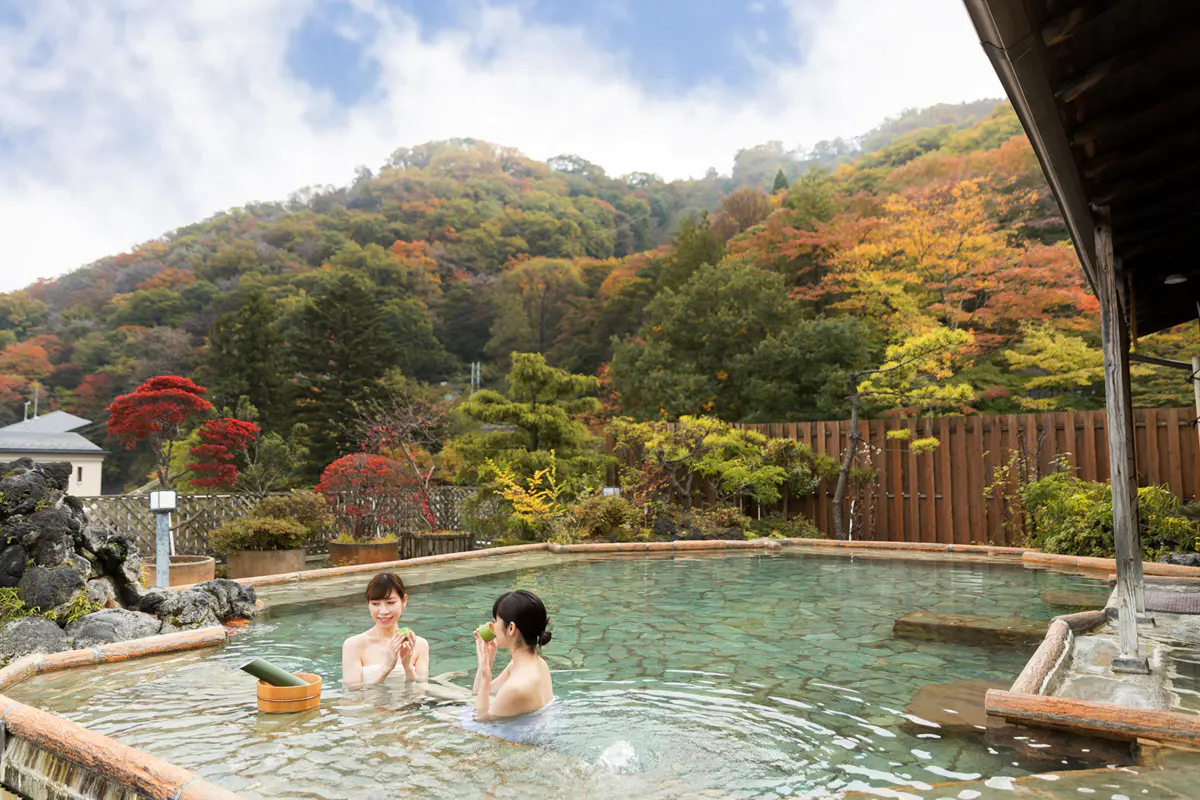
Onsen real estate in Japan is attracting attention as a unique investment opportunity that combines tourism appeal with long-term asset value. For overseas buyers in particular, properties featuring natural hot springs offer a distinctive aspect of Japanese culture that cannot easily be found elsewhere.
In Japan, hot springs themselves are generally not bought and sold independently. Instead, they are typically included as part of a real estate transaction. In addition, the type of property—such as a resort condominium, villa, or private home—can significantly affect how the property is used, maintained, and monetized. Demand trends and investment potential also vary widely by location, including major hot spring destinations like Hakone, Atami, Niseko, and Beppu.
This article explains how onsen properties in Japan work, the different types of onsen for sale that Japan investors can find, the characteristics of major hot spring areas, and important considerations before purchasing. Whether you are searching for an investment or lifestyle purchase, this guide will help you better understand both the opportunities and potential risks connected with purchasing an onsen in Japan.
What Is Onsen Real Estate in Japan?
Onsen real estate refers to properties that include access to natural hot springs, either through private facilities on the property or shared onsen systems within the building or community. In Japan, hot springs themselves are typically not sold independently. Instead, properties are traded together with hot spring usage rights and the infrastructure required to supply the water.
One of the most important concepts overseas buyers should understand when exploring an onsen for sale in Japan is “onsen rights.” These rights grant legal access to a specific hot spring source and are managed separately from standard property ownership. Unlike a typical real estate transaction, buyers must carefully confirm whether the property includes valid onsen rights, whether there are restrictions on usage or supply volume, and how those rights are maintained or transferred.
In some cases, the hot spring water is sourced directly from the property’s own spring. In others, the water is supplied from an external source through a piping system. For these properties, buyers should also review supply agreements, maintenance responsibilities, and the potential risks if the hot spring supply is interrupted or discontinued.
There are many types of hot spring properties, ranging from resort condominiums with shared onsen facilities to private villas and detached homes with personal outdoor baths. Some larger properties are even operated as ryokan inns or boutique hotels designed to generate rental income from tourism demand.
Before purchasing an onsen for sale in Japan, it is highly recommended to verify details such as the water supply system, ownership of the onsen rights, operating conditions, and maintenance structure. Consulting with experienced Japanese real estate professionals, legal specialists, and licensed agents can also help overseas buyers avoid unexpected issues and better understand the long-term value of the investment.
Popular Areas for Onsen Real Estate in Japan
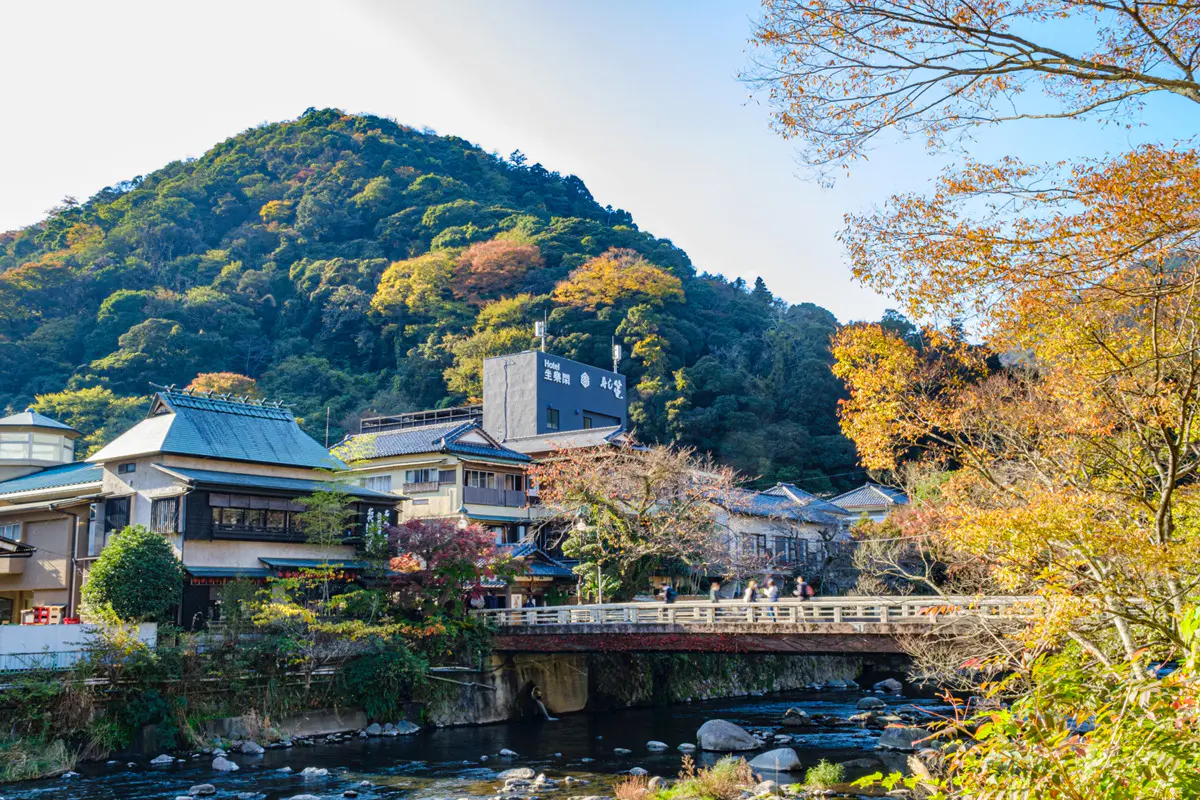
The investment characteristics of onsen real estate in Japan vary significantly depending on the location. Some areas benefit from stable year-round demand due to convenient access from major cities, while others attract strong tourism-driven income potential through international visitors. Below are some of the most popular regions among overseas buyers searching for an onsen for sale in Japan.
Hakone: Stable Demand Near Tokyo
Hakone is one of Japan’s most well-known hot spring resort destinations and offers excellent access from Tokyo, making it highly attractive to both domestic and international travelers. In addition to tourism demand, the area also benefits from strong interest from Tokyo residents seeking weekend retreats or second homes.
One of Hakone’s biggest advantages is its relatively stable occupancy and visitor demand throughout the year. The area has a strong reputation as a luxury onsen destination, and in recent years, international hotel brands and upscale accommodations have continued expanding into the region, further strengthening its appeal to overseas visitors.
For first-time investors, Hakone is often viewed as a market with a relatively balanced risk-and-return profile. The combination of accessibility, established tourism infrastructure, and long-term brand value makes it one of the safest entry points into Japan’s onsen real estate market.
However, because Hakone is such a desirable location, property prices tend to be higher compared to less-developed hot spring areas. Buyers focused primarily on rental yield or cash flow should carefully evaluate pricing, operating costs, and expected occupancy before purchasing a hot spring property for sale in the area.
Learn more about real estate investment demand in Hakone and Atami
View properties for sale in Hakone
Atami: Strong Accessibility and Balanced Pricing
Atami is a popular hot spring destination located about 40 to 50 minutes from Tokyo by Shinkansen, making it highly convenient for weekend getaways and short-term stays from the greater Tokyo area. In recent years, the city has experienced a strong tourism revival, with both domestic and international visitor numbers continuing to recover and grow.
One of Atami’s key advantages is the large supply of resort condominiums available on the market. Because properties range widely in size, age, and price point, buyers can often find more accessible entry-level opportunities compared to other premium hot spring destinations. In some cases, prices are more affordable than comparable onsen properties for sale in Hakone, making Atami attractive to both first-time investors and buyers seeking a second home.
The area’s combination of strong transportation access, established tourism demand, and relatively flexible pricing makes it one of the most approachable markets for overseas buyers searching for an onsen for sale in Japan.
However, when purchasing older resort condominiums in Atami, it is especially important to carefully review building management conditions, maintenance reserves, and long-term repair plans. These factors can significantly affect future operating costs and the overall value of the investment. For more details, please refer to the section on key risks and considerations before purchasing.
Explore real estate for sale in Atami
Niseko: A High-End Market Driven by International Tourism
Niseko is globally known as one of Japan’s premier ski resort destinations and remains especially popular with visitors from North America, Europe, and Australia. During the winter season, accommodation rates rise significantly, making onsen-equipped vacation rentals particularly attractive for investors seeking strong short-term rental income in Hokkaido.
For buyers interested in purchasing an onsen, Niseko stands out as a market with strong international demand and premium pricing potential. Properties featuring private hot springs are especially desirable among luxury travelers, and many investors use these homes as high-end vacation rentals during peak ski season. In the summer, the region also attracts visitors for golf, hiking, cycling, and other outdoor activities, helping support tourism throughout the year.
However, Niseko’s market is still heavily influenced by seasonal demand. Occupancy rates and rental revenue can fluctuate depending on the time of year, snowfall conditions, and international travel trends. Property prices have also increased considerably in recent years, and depending on the location and property type, the initial investment for a hot spring property for sale can be substantial.
Even so, Niseko continues to attract attention as a long-term investment destination. Expectations surrounding future infrastructure improvements, including the planned extension of the Hokkaido Shinkansen from Hakodate to Sapporo by 2030, are supporting optimism about future property values. For overseas buyers interested in resort-focused investment opportunities in Japan, Niseko remains one of the country’s most internationally recognized markets.
Learn why Hokkaido real estate is attracting foreign investors
Read more about Sapporo’s rental market and rent prices
View properties for sale in Niseko
Fuji Five Lakes: Strong International Appeal Backed by the Mt. Fuji Brand
The Fuji Five Lakes area is one of Japan’s most internationally recognized resort destinations thanks to its stunning views of Mt. Fuji, one of the world’s most iconic natural landmarks. For overseas buyers searching for an onsen for sale in Japan, a “Mt. Fuji view” itself can be a major selling point and a key factor influencing property demand.
In fact, inquiries from international buyers specifically looking for properties with views of Mt. Fuji are becoming increasingly common. The global recognition of the mountain gives the area a unique advantage compared to many other hot spring destinations in Japan.
On short-term rental platforms, properties with direct Mt. Fuji views often command significantly higher nightly rates. This makes the Fuji Five Lakes region one of the few places in Japan where scenic views can have a direct and measurable impact on investment returns. Fujikawaguchiko and Yamanakako are good examples of this. Buyers interested in an onsen property for sale with strong tourism appeal often view the region as a highly marketable destination for international travelers.
However, not every property in the area offers the same quality of view. Visibility of Mt. Fuji can vary greatly depending on the property’s orientation, elevation, surrounding buildings, and nearby vegetation. Before purchasing, buyers should carefully confirm view conditions and evaluate whether the scenery truly matches the property’s marketing potential and long-term value.
Find properties for sale in Yamanakako
Explore homes and apartments for sale in Fujikawaguchiko
Beppu: A Diverse Onsen Market With Flexible Price Points
Beppu, in the Oita Prefecture, is one of Japan’s most famous hot spring destinations and is known for having one of the country’s largest volumes of natural hot spring water. Thanks to this abundant supply, the area offers a wide variety of onsen properties, ranging from affordable resort condominiums to larger villas and hospitality-focused investments.
Compared to some of Japan’s more expensive resort markets, Beppu often offers more accessible entry points for overseas investors looking to buy an onsen in Japan. The broad price range makes it easier for investors with different budgets to find suitable opportunities, whether for personal use, vacation rentals, or long-term investment purposes.
Beppu has also been attracting growing international attention. In Booking.com’s “Travel Predictions 2024,” the city was ranked as the world’s top trending travel destination. The area is particularly popular with travelers from across Asia, including visitors from South Korea, Taiwan, and Thailand. Convenient access from Fukuoka Airport—approximately one hour away—further supports tourism demand.
In addition, Beppu benefits from combined travel demand with nearby Yufuin, another highly popular hot spring destination. This regional tourism flow creates favorable conditions for short-term rental operations involving hot springs.
However, demand can vary significantly depending on the exact location, accessibility, and property characteristics. Before purchasing an onsen for sale in Beppu, buyers should carefully evaluate nearby tourism activity, transportation access, and the long-term attractiveness of the surrounding area.
Browse real estate for sale in Oita
Can Foreign Buyers Purchase Onsen Real Estate in Japan?
In Japan, foreign buyers are generally allowed to purchase real estate, including onsen properties, without major legal restrictions. Unlike some countries that restrict foreign ownership of land or residential property, Japan allows overseas buyers to acquire both investment and residential real estate regardless of nationality or residency status.
This means that purchasing an onsen is legally possible for most international investors. Buyers can purchase land, condominiums, villas, vacation homes, and other types of hot spring property for sale in much the same way as Japanese citizens.
However, not every property is available under the same conditions. In some resort condominiums and shared ownership properties, building management associations may impose restrictions related to foreign ownership or property usage. These rules are often connected to concerns about communication, property management operations, or long-term maintenance of the community. Because of this, it is essential for overseas buyers to carefully review management regulations prior to purchasing hot springs or other resort-style properties.
Additional considerations may apply when purchasing commercial properties such as ryokan inns, hotels, or hospitality-focused facilities. Depending on how the property will be operated, buyers may need to obtain business licenses, comply with local regulations, and establish an appropriate management structure after acquisition.
Overall, Japan remains one of the more accessible countries for international buyers interested in an onsen for sale. At the same time, practical challenges can still arise depending on the property type, building rules, and operational requirements, making careful due diligence especially important before completing a purchase.
Main Types of Onsen Real Estate in Japan
There are several types of onsen properties available in Japan, and the best option depends on the buyer’s goals, budget, and investment strategy. Some buyers are primarily looking for a second home or private retreat, while others focus on generating rental income through tourism demand. Understanding the characteristics of each property type is essential when evaluating an onsen for sale in Japan.
Resort Condominiums
Resort condominiums are often considered one of the most accessible entry points into Japan’s onsen real estate market. These properties typically feature large shared baths or communal hot spring facilities within the building, and individual units can be purchased separately under condominium ownership.
One advantage of resort condominiums is the relatively wide price range, which makes them appealing to first-time onsen buyers. Compared to private villas or standalone homes, the initial purchase price is often lower and management responsibilities may be more streamlined.
However, the hot spring facilities are usually shared amenities rather than private baths reserved exclusively for each owner. In addition, some condominium associations may impose restrictions on foreign ownership, short-term rentals, or vacation rental operations such as Airbnb-style stays.
Buyers should also carefully consider ongoing costs, including monthly management fees, repair reserve funds, and maintenance expenses. These operating costs can significantly affect the long-term profitability and affordability of a hot spring property for sale.
Detached Homes and Villas
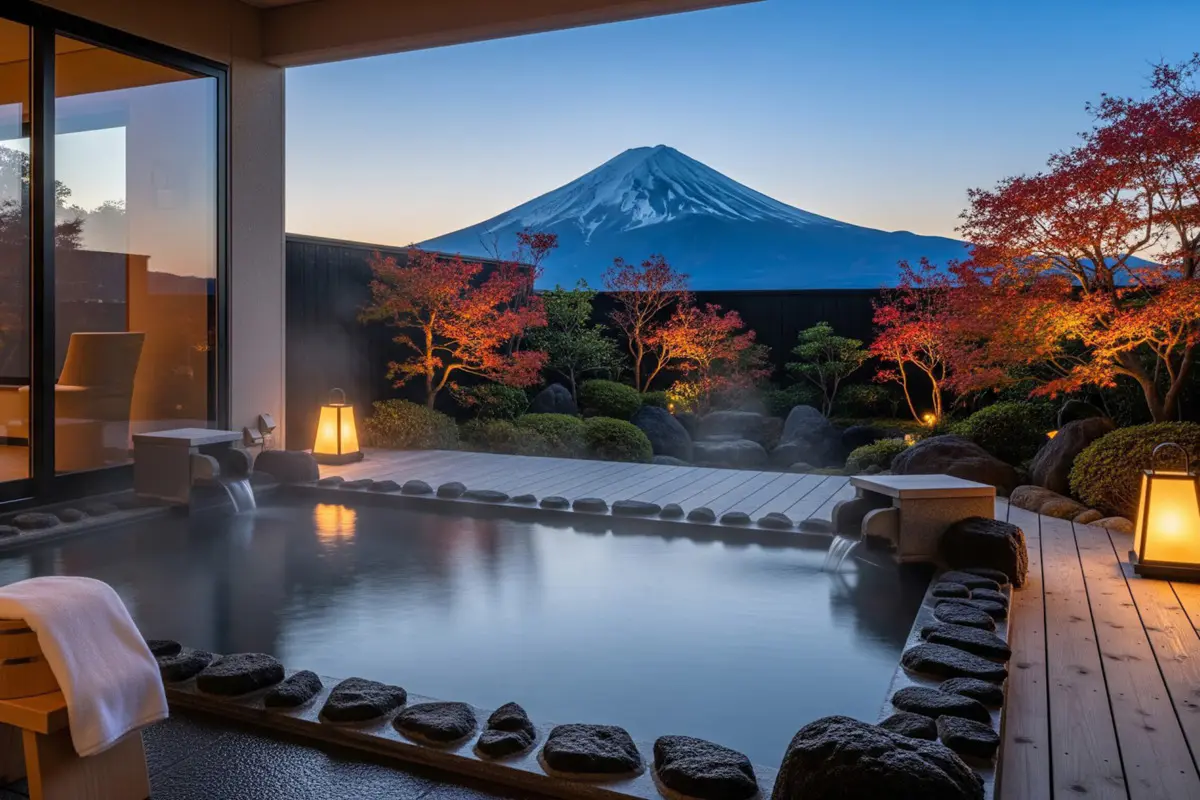
Detached homes and villa-style properties offer a more private and exclusive onsen experience. Some properties have hot spring water directly supplied to the property, while others may even include ownership or access rights to a private hot spring source.
These properties are especially popular in resort destinations and are commonly used as second homes, luxury vacation residences, or long-term retreat properties. For buyers searching for an onsen for sale in Japan with greater privacy and lifestyle appeal, villas are often viewed as one of the most desirable options.
In some cases, detached homes and villas can also be used for short-term vacation rentals or long-term leasing, allowing owners to combine personal use with income generation. This flexibility makes them attractive to buyers seeking both lifestyle value and investment potential.
At the same time, private onsen systems often require more maintenance compared to shared facilities in resort condominiums. Costs related to plumbing, water supply systems, equipment upkeep, and general property management should all be carefully evaluated before a purchase is made.
Key Risks and Considerations Before Buying Onsen Real Estate in Japan
While onsen real estate can be an attractive investment opportunity, it also comes with unique risks and costs that differ from standard residential properties. Before going through with purchasing an onsen for sale in Japan, buyers should understand important factors such as hot spring usage rights, maintenance expenses, and seasonal fluctuations in tourism demand. These considerations are especially important for overseas investors who may be less familiar with Japan’s real estate and onsen systems.
Hot Spring Rights and Water Supply Conditions
One of the most important aspects of purchasing a hot spring property is understanding the legal and operational structure behind the onsen water supply. Some properties have direct access to a natural hot spring source located on the property itself, while others receive hot spring water from an external supplier through a shared distribution system.
In many cases, use of the hot spring is governed by onsen rights agreements or contracts with local management associations. Depending on the property, there may be restrictions on water volume, operating hours, or usage conditions. Buyers should also be aware that supply conditions may change in the future depending on the status of the source or the operating company.
Before purchasing an onsen, it is essential to carefully review all contracts, renewal terms, and long-term supply conditions related to the hot spring system.
Management Fees and Ongoing Maintenance Costs
Compared to standard residential properties, onsen-equipped real estate often involves higher operating and maintenance expenses. In resort condominiums, owners are typically responsible for monthly management fees and repair reserve funds used to maintain shared hot spring facilities and building infrastructure.
Detached homes and villas may also require ongoing costs for inspecting hot spring equipment, maintaining plumbing systems, cleaning facilities, and repairing aging infrastructure. Depending on the property, future renovation or replacement expenses can become significant over time.
Because these running costs directly affect investment profitability, buyers should confirm the specific fee structure and expected long-term maintenance expenses before investing in a hot spring property.
Risks Specific to Older Resort Condominiums
When considering older resort condominiums with hot spring facilities, buyers should pay close attention to the overall management condition of the building. In some cases, properties have experienced chronic non-payment of management fees or repair contributions by unit owners, resulting in insufficient building maintenance and declining property conditions.
These properties may initially appear attractive because of their low purchase prices. However, buyers can later face substantial repair costs or unexpected financial burdens after acquisition.
Before purchasing an onsen for sale in Japan within an older resort condominium, buyers should carefully review the financial health of the management association, the status of repair reserve funds, and the history of major building renovations. It is important not to evaluate a property based solely on its low price.
Seasonal Revenue Fluctuation Risks
Tourism demand in hot spring destinations can vary significantly depending on the region and season, meaning rental income may not remain stable throughout the year. For example, ski resort areas often experience strong winter demand but lower occupancy during off-season periods.
Properties located in areas that depend heavily on domestic tourism can also be affected by economic conditions, travel trends, and shifts in consumer behavior. Buyers planning to operate vacation rentals should prepare realistic revenue forecasts that account for both peak and low demand seasons.
Careful long-term planning and conservative financial projections are essential when evaluating an onsen property.
Conclusion
Onsen real estate in Japan offers a unique combination of lifestyle appeal and investment potential that is difficult to find elsewhere in the world. When carefully selected, an onsen can serve both as a personal retreat and as a long-term investment asset with strong tourism appeal.
At the same time, buyers should understand that hot spring properties involve considerations that differ from ordinary real estate. Factors such as onsen rights, water supply conditions, maintenance costs, and regional tourism demand can all significantly affect the property’s long-term value and profitability.
While foreign buyers are generally allowed to purchase an onsen for sale or other hot spring property for sale in Japan, practical limitations may still arise depending on condominium rules, management policies, or operational requirements. Because of this, it is important to choose a property that matches your intended purpose, whether that is personal use, a second home, vacation rental income, or long-term investment.
For overseas buyers interested in hot springs for sale, careful research and professional guidance can make a major difference in finding the right opportunity and avoiding unexpected risks.