
Akihabara vs Ikebukuro: Best Places to Live for Anime Fans
Oct 1, 2025
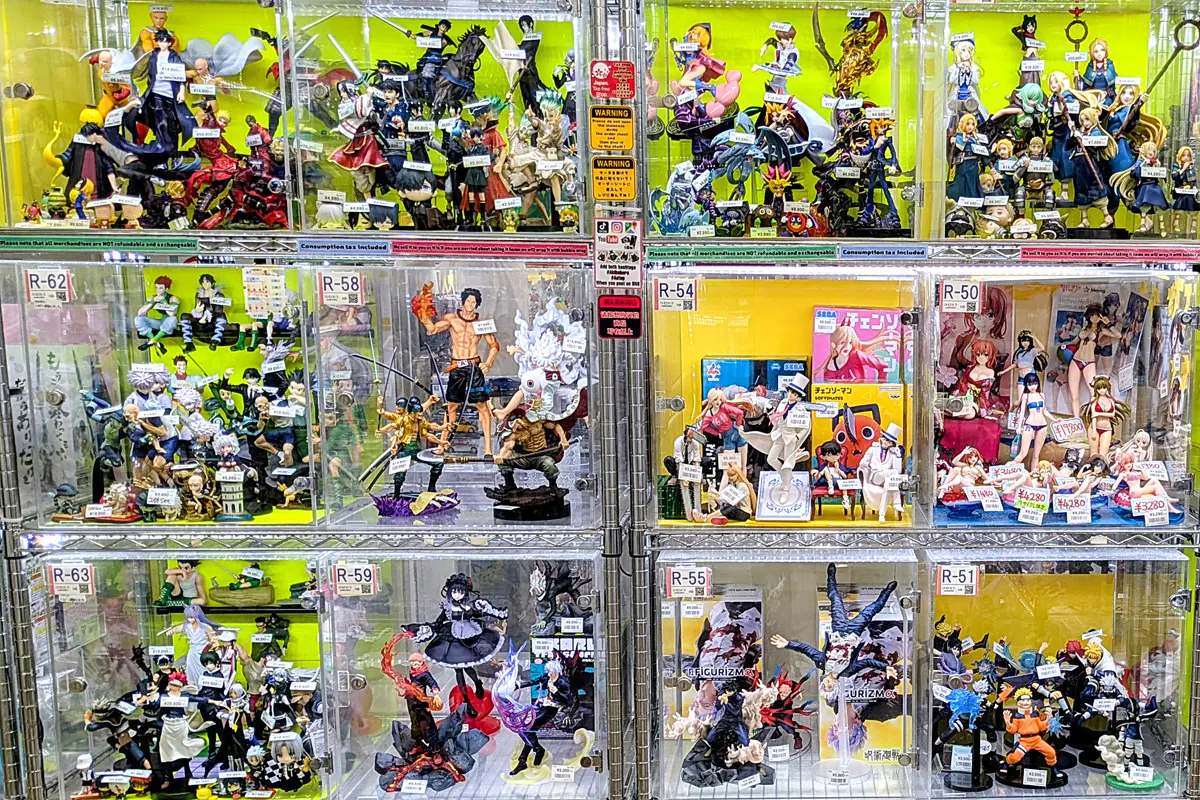
“I love japanese anime and I want to live in Japan!” — Plenty of people arrive for study or work with that dream. Many fans worldwide discover Japan through anime and manga, and it’s only natural that some start thinking about actually living here.
Japan has several districts that symbolize anime japan, and the two standouts are Akihabara and Ikebukuro. Both are often called “anime sanctuaries,” and simply walking the streets lets you feel the energy of Japanese subculture. That said, once you settle in, the everyday convenience, atmosphere, and real estate market differ quite a bit.
This article compares Akihabara and Ikebukuro from two angles: the perspective of japanese anime fans and the perspectives of residents and property investors.
Two Anime Meccas: What Makes Each Unique
anime akihabara — The World’s Otaku Capital
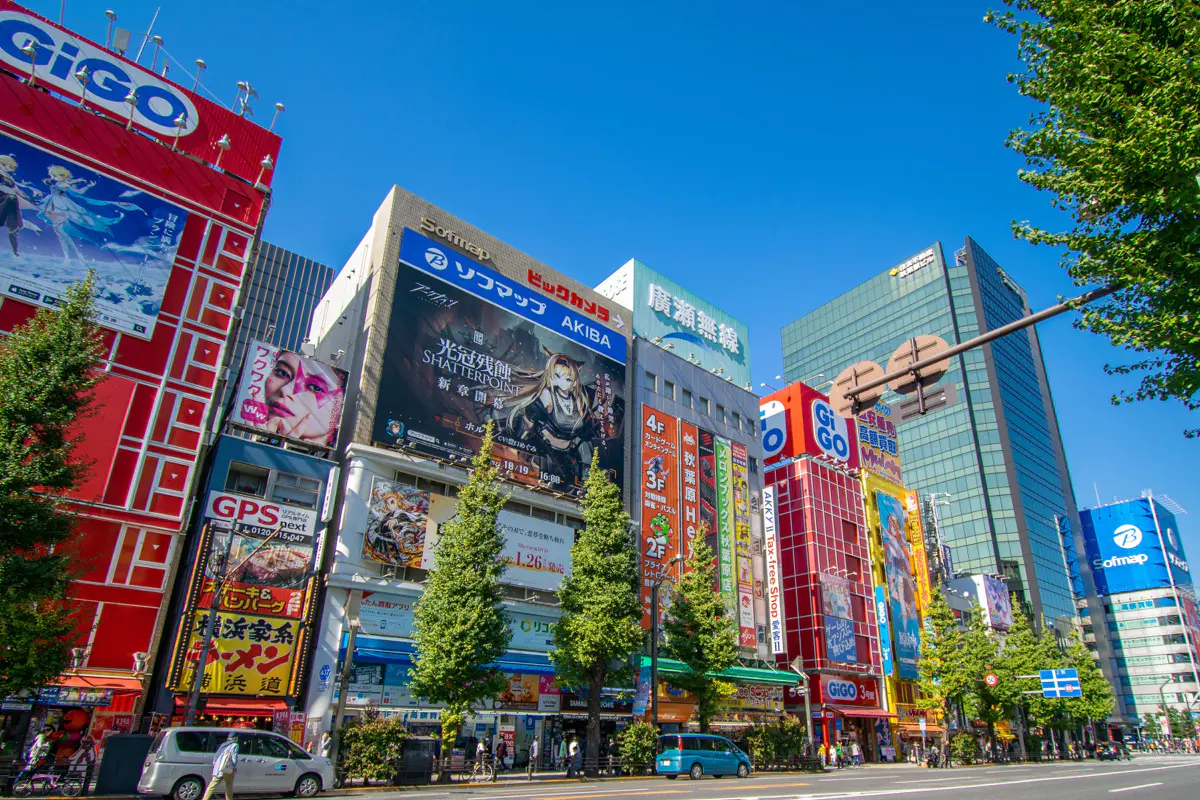
Akihabara grew out of post-war open-air markets and boomed as an “Electric Town” in the 1950s–80s. At one point in the 1980s, it was said that roughly 10% of all home electronics in Japan were sold here — a district that symbolized the country’s tech prowess.
As online shopping and big-box retailers took over, the traditional Electric Town role shrank. Filling that gap was subculture: anime, games, and manga. From the 2000s onward, specialty shops surged, transforming Akihabara into globally known anime akihabara.
In 2001, Japan’s first maid café opened here, enthralling visitors with a real-life anime-style experience. Today maid cafés are part of Akihabara’s identity and often become an unforgettable memory for first-time travelers.
Large japanese anime store names like Animate, Gamers, Kotobukiya, and Mandarake line the streets, offering everything from the latest goods to limited editions. Finding that figure you’ve hunted for, a rare doujinshi, or a surprise trading card hit — that serendipity is pure Akihabara.
anime ikebukuro — A Subculture Hub Loved by Women
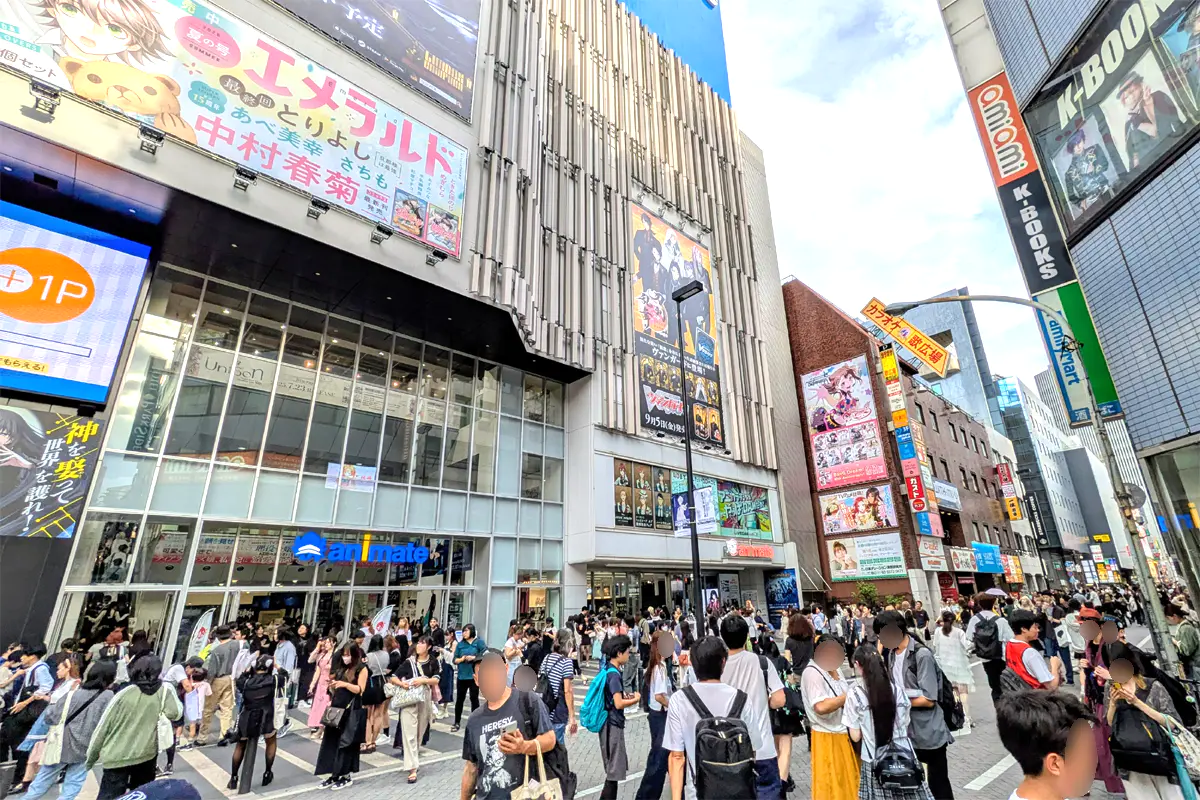
Ikebukuro rivals Akihabara as an anime hotspot, with one distinctive twist: it’s especially beloved by female fans. After Animate Ikebukuro’s flagship was revamped in the 2000s, nearby stores like Lashinbang and K-BOOKS clustered together and “Otome Road” was born. The area gathered each japanese anime store specializing in women’s manga, otome games, and 2.5D stage goods, becoming a safe, welcoming place to shop and hang out.
Ikebukuro has emerged as the "Capital of Cosplay," with popular events such as acosta!, held throughout the year, and the Ikebukuro Halloween Cosplay Festival, held during the Halloween season. The phrase "Anime Ikebukuro" is now widely seen on social media and in search results, reflecting its growing international recognition.
This growth wasn’t accidental. Toshima Ward set out a “Global Arts & Culture City” vision, positioning manga and anime as a pillar of urban regeneration.
The strategy shows up in redevelopment as a sub-center of Tokyo: large complexes like “Hareza Ikebukuro” (with anime collaboration cafés) and cultural hubs such as “Anime Tokyo Station.” The entire city is “content-ified,” from PR anime to designer manhole covers — you can feel anime culture simply by walking around. Thanks to this deliberate city-building, Ikebukuro has evolved from a commercial district into a place that broadcasts anime japan culture to the world.
What It’s Like to Live There
Akihabara: Life in the Classic “Electric Town”
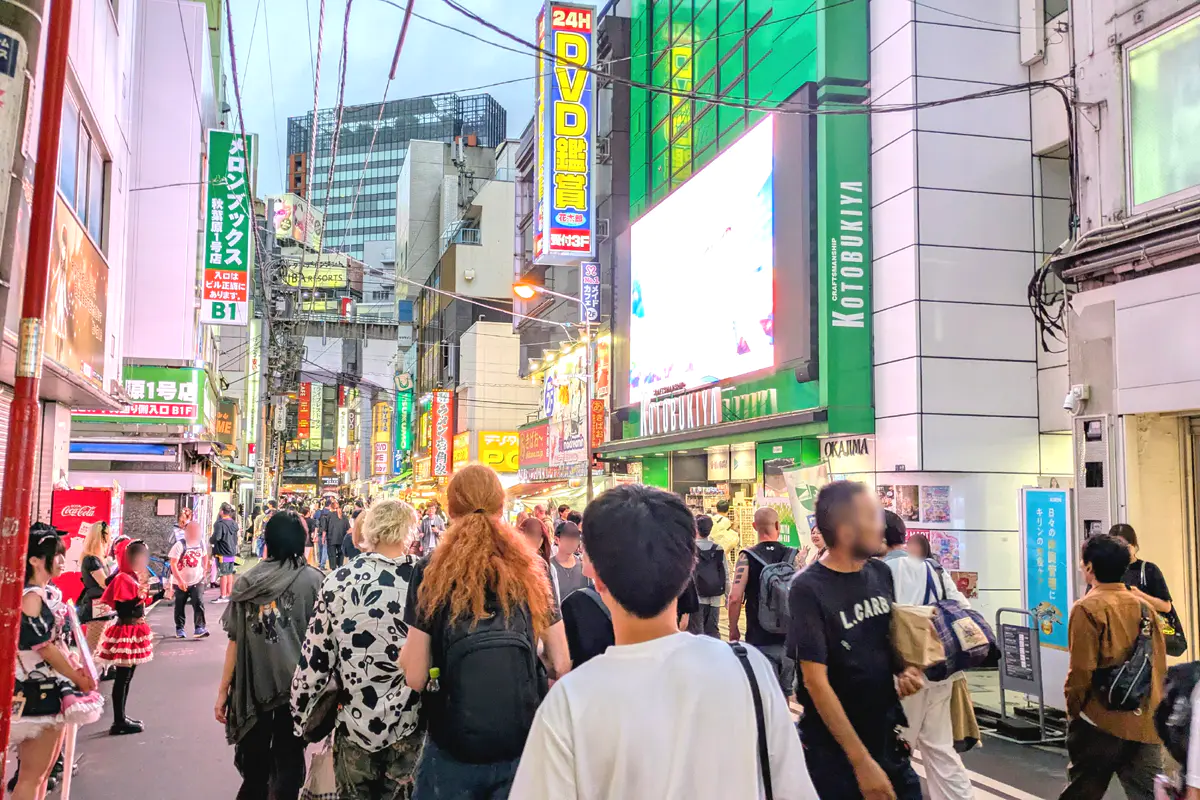
The area around Akihabara Station truly never sleeps. Convenience stores and eateries stay open late, so last-minute errands are easy. It’s both a business district and a tourist magnet, meaning food options are everywhere — great for people who eat out often.
On the flip side, there are fewer large supermarkets, which can be inconvenient for families or anyone who mainly cooks at home. Naturally, residents tend to be busy singles who prioritize inner-city convenience and don’t mind dining out.
Akihabara’s greatest strength is transport. The Yamanote, Sobu, and Keihin-Tohoku lines, the Tokyo Metro Hibiya Line, and the Tsukuba Express all converge here — and Tokyo Station is only minutes away. For anyone who values time as much as money, Akihabara is an ideal base.
Ikebukuro: An Evolving “Subculture Capital” That’s Easy to Live In
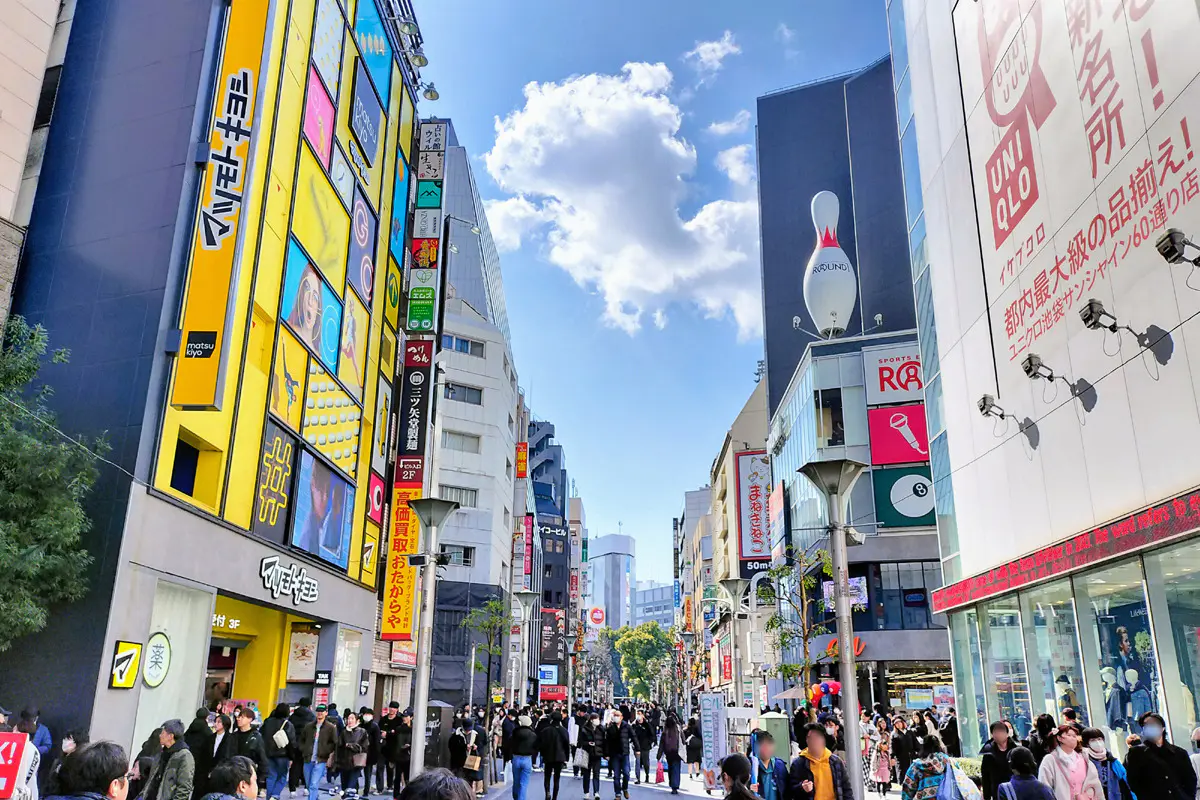
Ikebukuro excels in day-to-day convenience. Major department stores (Seibu, Tobu), malls (Lumine, PARCO), and Sunshine City cover everything — groceries, fashion, electronics, and entertainment — making it a one-stop district.
With cinemas, an aquarium, and a planetarium, weekends are never dull. Among Tokyo’s central areas, it’s perfect for people who want a good balance of lifestyle and leisure. This convenience is a decisive residential advantage Ikebukuro has over Akihabara.
The station front is lively, but a short walk takes you to quieter residential pockets like Kanamecho and Sugamo. Students and families alike can live comfortably — it’s a rare mix of convenience and liveability (livability).
Rents and Value for Money
Akihabara: Premium Rents That Reflect Central Access
Akihabara’s rental market commands higher prices because of its outstanding connectivity. Compared with major Tokyo hubs, rents trend high. For example, average one-bedroom pricing here slightly exceeds nearby Yamanote Line stations like Ueno or Kanda.
Multiple key lines converge at this terminal, and being only minutes from Tokyo Station (no transfer) can dramatically cut commute times. In short, residents here prioritize time and convenience over pure cost, and willingly pay for a shorter, simpler daily routine.
| Layout | Avg. Monthly Rent |
|---|---|
| Studio | ¥112,000–135,000 |
| 1 Bedroom | ¥183,000–207,000 |
| 2 Bedrooms | ¥241,000 |
| 3 Bedrooms (limited supply) | ¥250,000–300,000 |
Ikebukuro: Relatively Affordable for a Major Yamanote Hub
Despite being a major terminal on the Yamanote Line, Ikebukuro is generally more affordable than Akihabara, Shinjuku, or Shibuya. The difference is especially clear for family-friendly 1- and 2-bedroom layouts.
Why? While Ikebukuro Station is massive, quieter residential areas like Kanamecho and Sugamo spread out just beyond it. These adjacent neighborhoods offer easy access yet lower averages, pulling the wider Ikebukuro area’s rents down. If you want central access without overspending, Ikebukuro is a smart pick.
| Layout | Avg. Monthly Rent |
|---|---|
| Studio | ¥79,000–97,000 |
| 1 Bedroom | ¥139,000–185,000 |
| 2 Bedrooms | ¥225,000–252,000 |
| 3 Bedrooms (limited supply) | ¥≈255,000 |
Before We Call a Winner
As you’ve seen, both Akihabara and Ikebukuro have distinct strengths, and the better place to live depends on your lifestyle.
Akihabara suits singles who value top-tier transport and a short commute, and who often eat out or enjoy the district’s late-night buzz. As a base for “consuming” japanese anime culture, few places can beat it.
Ikebukuro, on the other hand, suits those who want value for money and a rich everyday infrastructure. It’s also appealing if you’re optimistic about ongoing improvements in safety and urban development. As a base for “creating and sharing” anime japan culture, Ikebukuro’s evolution is making the whole area more liveable (livable) for a wide range of residents.
Akihabara vs. Ikebukuro for Property Investors
So far we’ve looked at day-to-day living. But some anime fans take things further and consider investing in Japanese real estate. Here’s how the two districts compare from an investor’s perspective.
Investment Potential: Akihabara
Built on pop culture — anime, games, and manga — Akihabara has become a global otaku hub that attracts tourists and international students. If an opportunity arises in hospitality (hotels or licensed short-term rentals), it can be worth serious consideration.
However, investments that depend on visitor demand can be volatile. They may offer high yields, but they’re sensitive to geopolitics, the broader economy, and shocks like pandemics. Decide upfront whether you’re targeting short-term gains or long-term stable income.
Demographically, Akihabara skews male and single — matching the core fan base — which supports steady demand for compact units (Studio–1K).
That said, pure residential supply is limited in this prime central location, while demand for retail and office uses is relatively strong. Practically, the main investment targets are commercial assets like hospitality, street-level retail, and small office buildings. Ticket sizes are higher, but the blue-chip location is a draw.
Investment Potential: Ikebukuro
Ikebukuro is one of Tokyo’s three major sub-centres alongside Shinjuku and Shibuya. With Seibu and Tobu department stores, Sunshine City, and Hareza Ikebukuro, it’s vibrant in both commerce and culture — and recent redevelopment is blending the shopping district with comfortable urban living.
Its biggest strength is an exceptional transport hub. With JR, private rail, and multiple subways converging, Ikebukuro draws commuters from northwest Tokyo and Saitama. That network underpins stable demand in both retail and housing.
Demographics are well-balanced from singles to small families, so demand spans Studio/1-bed through 2-bed+. It’s also a student district (e.g., Rikkyo University), where predictable turnover around enrolment and graduation supports a steady rental market.
Large-scale redevelopment is ongoing across the area, pointing to high potential for long-term capital appreciation. More cultural and entertainment venues boost brand value and strengthen the investment case.
Bottom Line for Investors
- Akihabara: Leverage anime akihabara brand power with hospitality, retail, and office plays in prime central Tokyo. Be mindful of larger ticket sizes and visitor-demand risk.
- Ikebukuro: Combine a transport hub, student-driven rental demand, and redevelopment upside. A strong fit for investors seeking stable, long-term income — and for fans who want everyday access to anime ikebukuro culture.