
Hakuba vs. Niseko: Best Japan Ski Real Estate Investment
May 5, 2026
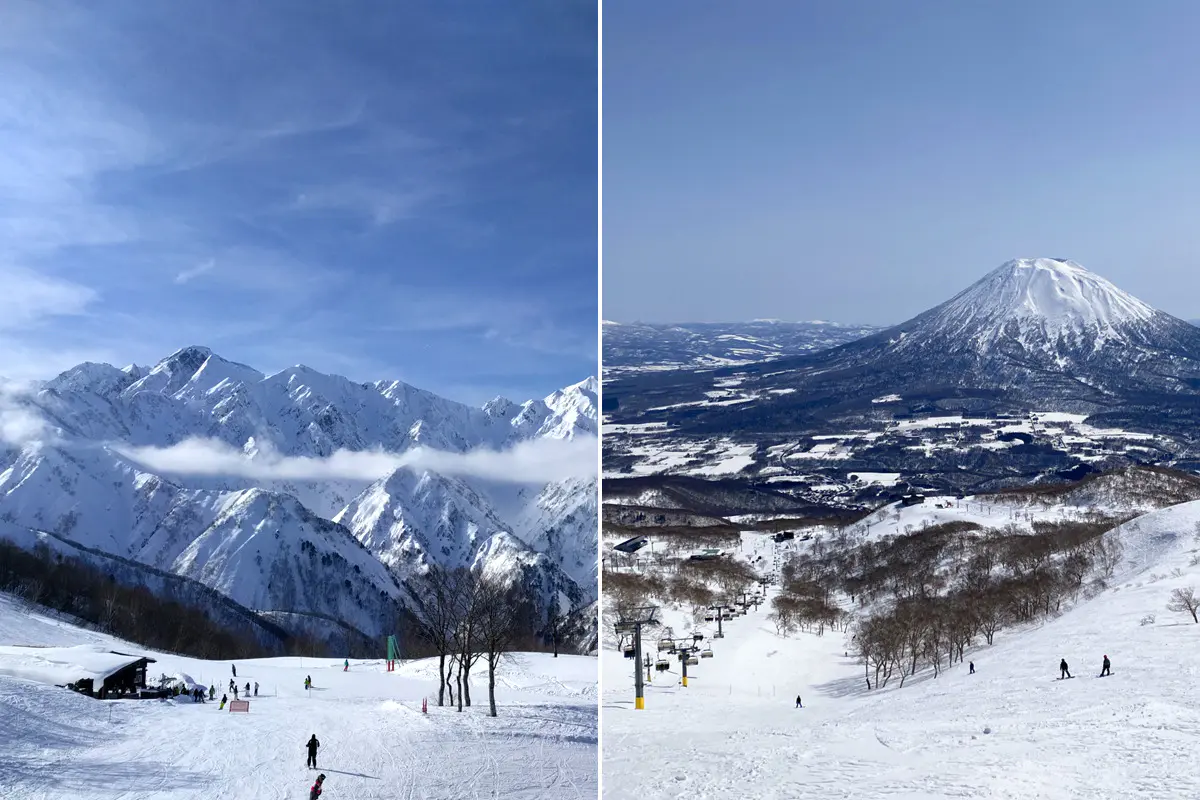
Hakuba and Niseko are two of Japan’s most famous ski resorts, attracting significant interest from international investors. However, there are clear differences between the two regarding property prices, market maturity, and short-term rental profitability. In this article, we compare these two ski resort markets across key factors such as real estate prices, Airbnb income potential, investor demand, and development trends.
If you’re wondering “is Hakuba better than Niseko?” or deciding between Niseko or Hakuba for your next investment, this guide will help you evaluate the opportunities in Japan’s resort property market.
Hakuba vs. Niseko: Key Facts About Each Area
Hakuba and Niseko are two of Japan’s most iconic ski destinations, drawing tourists and investors from around the world. Both are famous for their powder snow and attract a large number of international skiers, but they differ in location, development history, and real estate market characteristics.
In this comparison between Hakuba and Niseko, we’ll outline the fundamentals of each area and how they have evolved as resort destinations, helping you decide between Niseko or Hakuba.
Key Features of Hakuba
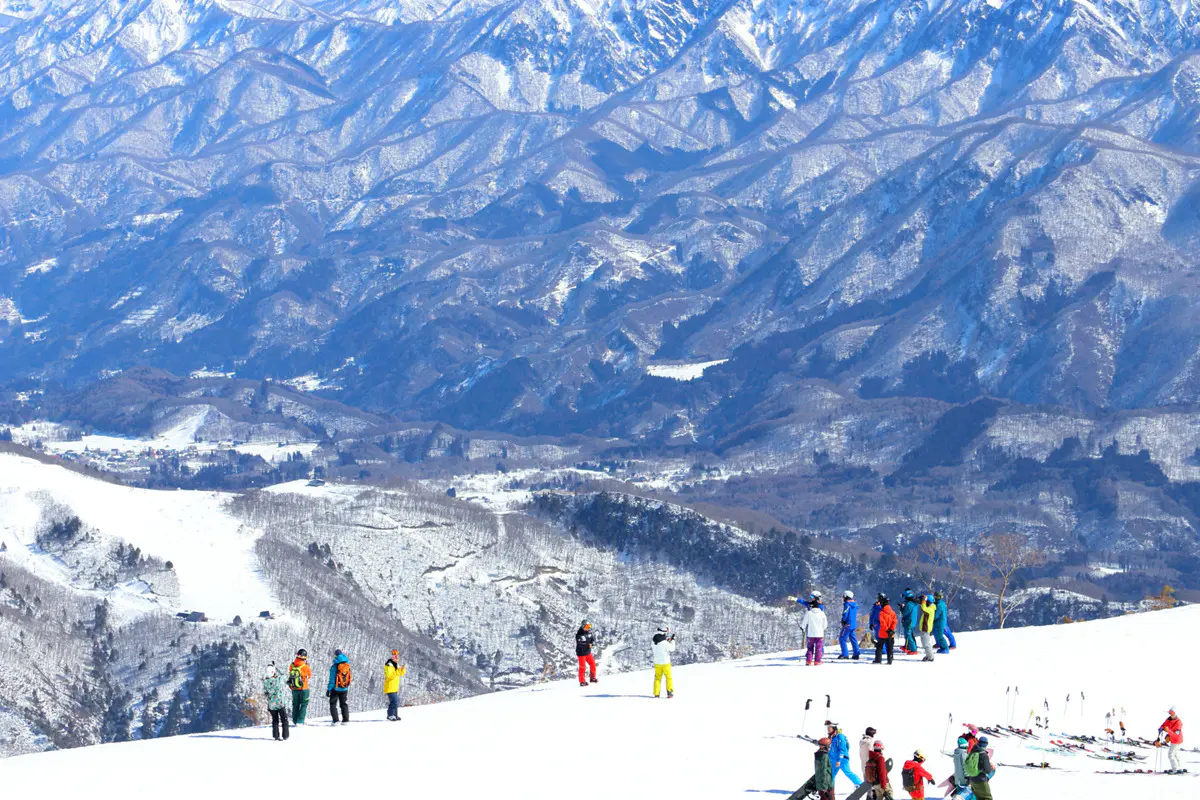
Hakuba is a mountain resort located in northern Nagano Prefecture, best known as a host venue for the 1998 Nagano Winter Olympics. The area offers a vast interconnected ski region with multiple resorts, attracting skiers and snowboarders in winter, while hiking and outdoor activities drive tourism in the summer.
In recent years, Hakuba has gained attention as a real estate investment destination, fueled by growing international visitor numbers. It is particularly popular among Western travelers, and its reputation as an international resort continues to rise.
Access to Hakuba typically involves taking the Hokuriku Shinkansen to Nagano Station, followed by about an hour by bus or car. While it is relatively accessible from Tokyo, international visitors may find the travel time from major airports somewhat longer—an important consideration when comparing Hakuba and Niseko.
Browse available listings in Hakuba real estate for sale in Nagano.
Key Features of Niseko
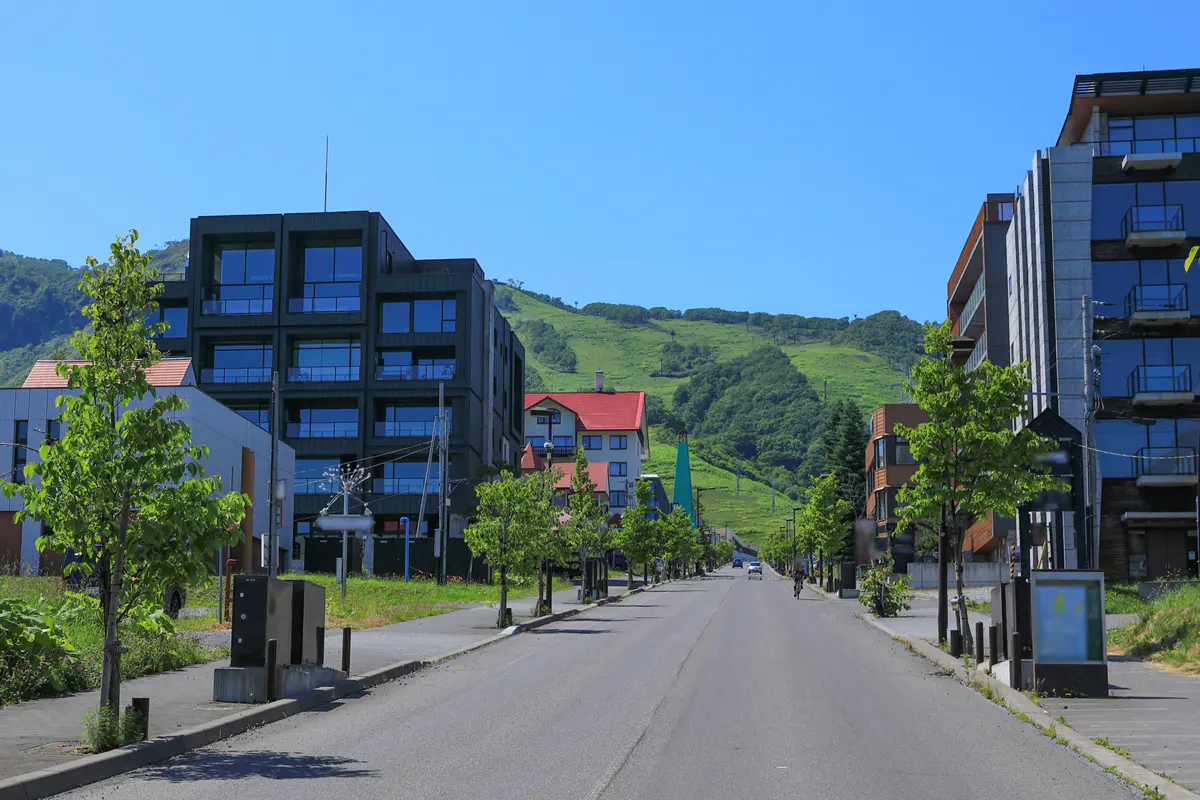
Niseko, located in Hokkaido, is one of Japan’s leading international ski resorts, renowned for its world-class powder snow and large-scale resort development. It attracts a significant number of visitors from Australia and across Asia, and real estate development by foreign investors has been particularly active.
With ongoing construction of luxury hotels and condominiums, Niseko is widely recognized as one of the highest-priced resort property markets in Japan, making it a key point of comparison with Hakuba.
Niseko is approximately a two-hour drive from New Chitose Airport, which serves numerous international flights. This convenient access from overseas is one of the main reasons Niseko has developed into a globally recognized ski destination.
Browse available listings in Kutchan and Niseko real estate for sale in Hokkaido, or read more about buying property in Niseko as a foreign investor.
Hakuba vs. Niseko: Differences in the Real Estate Market
While both Hakuba and Niseko are internationally recognized ski resorts, they differ in market maturity, pricing, and investor profiles. Niseko has seen significant development driven by foreign capital and is known as one of Japan’s premium resort real estate markets.
In contrast, Hakuba is still in a growth phase, gaining global recognition and offering a wider range of property prices. In this side-by-side comparison of Hakuba and Niseko, we’ll break down the differences in property prices, investor demand, and development trends to help you decide between the two destinations.
Property Prices
In general, Niseko commands higher prices due to strong demand from international investors, positioning it as a premium segment within Japan’s resort real estate market. Typical price ranges for detached homes are as follows:
- Hakuba: ¥30 million – ¥200 million
- Niseko: ¥60 million – ¥1 billion
As shown, average property prices tend to be significantly higher in Niseko. This is largely due to earlier large-scale resort development and its strong global reputation as a ski destination.
On the other hand, Hakuba has been gaining attention in recent years as international tourism increases. Compared to Niseko, property prices are often more accessible, making it an attractive entry point for investors new to Japan’s resort real estate market. This distinction is key when considering whether Hakuba may be a better fit than Niseko from an investment perspective.
Note: Property prices vary widely depending on location, building age, land size, and other factors. The figures above are general market estimates.
Short-Term Rental Income
Both Hakuba and Niseko benefit from strong demand for short-term stays, particularly during the ski season, and many investors generate income through platforms like Airbnb. According to short-term rental market data, both areas offer solid revenue potential supported by tourism demand.
Based on data from Airbnb analytics services, key indicators for short-term rentals include metrics such as average daily rate, occupancy rate, and annual revenue. The data suggests that Niseko tends to have a higher average daily rate per night, while Hakuba often shows slightly higher annual revenue and occupancy rates. These differences may reflect variations in property types, pricing tiers, and traveler behavior in each market.
However, short-term rental income can vary significantly depending on property location, capacity, management strategy, and seasonal demand. While winter demand is exceptionally strong, maintaining occupancy during the summer and off-season remains a critical factor in resort property investment.
Short-Term Rental Performance: Hakuba vs. Niseko
| Area | ADR | Occupancy Rate | Average Annual Revenue |
|---|---|---|---|
| Hakuba | $430 | 36% | $38,453 |
| Niseko | $483 | 34% | $31,219 |
For more information, see our guide to Airbnb and short-term rental income in Japan.
International Investor Demand
Niseko has long attracted strong interest from international investors, particularly from Australia and across Asia, and is well known for its high volume of foreign property ownership. The area offers a wide range of services and infrastructure tailored to international visitors, making it one of the most globally oriented ski resorts in Japan.
Hakuba has seen a growing number of international visitors in recent years, especially from Europe and North America, and is increasingly attracting attention as a real estate investment destination. While the proportion of foreign investors is still lower than in Niseko, this makes Hakuba appealing to those looking for future growth potential. In comparisons of the two markets, this difference often comes down to established demand versus emerging opportunity.
Development Trends and Future Potential
Niseko has experienced decades of continuous development, particularly in luxury hotels and resort condominiums, making it one of the most mature investment markets in Japan. In recent years, large-scale luxury developments have expanded in areas such as Hanazono in Kutchan, with internationally recognized brands like Park Hyatt Niseko Hanazono and Six Senses Niseko entering the market. As a result, Niseko is increasingly positioned as a high-end resort destination. However, because prices are already elevated, many investment strategies in Niseko focus on luxury assets and long-term holding.
In addition, the Hirafu district in Kutchan—Niseko’s core resort area—is often noted for having limited remaining developable land. This constrained supply is one of the factors supporting consistently high property prices.
Hakuba, by contrast, has seen growing development of resort and accommodation facilities in response to rising international tourism. As visitor numbers continue to increase, the market is expected to expand further, making Hakuba an attractive option for investors seeking future appreciation. This distinction is central for those prioritizing growth potential over immediate market maturity.
Hakuba vs. Niseko: Investment Advantages from an Investor’s Perspective
Both Hakuba and Niseko are internationally recognized ski resorts that attract strong interest from global real estate investors. However, differences in development history and market maturity mean that the best choice depends on your investment goals. In this investment comparison, we break down the key advantages of each area to help you decide between Niseko or Hakuba.
Investment Advantages of Hakuba
Hakuba’s key strength lies in its growing international reputation combined with a relatively wide range of property price points. In recent years, the number of international visitors—particularly from Europe and North America—has increased, driving greater interest in resort real estate.
Compared to Niseko, property prices in Hakuba are often more accessible, making it an attractive option for investors looking to enter Japan’s resort property market with lower initial capital. Strong demand for short-term stays also supports investment strategies focused on vacation rentals, including Airbnb operations. In addition, ongoing resort development and rising tourism demand suggest potential for future market growth and upside potential.
Investment Advantages of Niseko
Niseko is one of Japan’s most internationally recognized ski resorts and has been a focal point for foreign-led resort development for many years. It attracts a large number of visitors from Western countries and across Asia, creating a market strongly supported by international demand.
As a real estate market, Niseko is highly mature, with extensive development of luxury hotels and resort condominiums. Property prices are among the highest in Japan’s resort markets, but this is balanced by strong global brand recognition and perceived market stability. Niseko also benefits from consistent short-term rental demand and a well-established track record of Airbnb performance. Its relatively high average daily rate is another key advantage for investors prioritizing income potential.
Hakuba vs. Niseko: Which Is Better for Investment?
Hakuba and Niseko are both highly popular international ski resorts, but they differ in property prices, market maturity, and rental demand. This section explains which type of investor each area is best suited for.
Best Choice by Investor Type
Choosing between Hakuba and Niseko ultimately depends on your investment strategy. Here is a quick guide based on investor type:
- First-time investors: Hakuba offers a lower entry price and growth potential
- Luxury property investors: Niseko provides premium assets and global brand recognition
- Rental income-focused investors: Niseko benefits from higher nightly rates and strong international demand
- Growth-focused investors: Hakuba presents opportunities tied to future market expansion
- Stability-focused investors: Niseko may be better suited for those prioritizing a mature resort market
For Price-Focused Investors
For investors looking to enter the resort real estate market with lower upfront costs, Hakuba is often the more accessible option. Compared to Niseko, property prices are generally more affordable, which can provide a wider range of options within the same budget. For those deciding between these two ski resort markets with a focus on future appreciation, Hakuba may offer opportunities tied to potential demand growth.
For Asset Value–Focused Investors
For investors prioritizing long-term asset value and brand strength, Niseko is an attractive choice. It has a well-established track record of foreign-led development and is one of Japan’s most internationally recognized ski resort markets. This makes it particularly appealing to investors who value market stability and long-term asset preservation.
For Rental Income–Focused Investors
For investors focused on rental income, strong short-term stay demand is a key consideration. Both Hakuba and Niseko benefit from high tourism demand during the ski season, making Airbnb-style rental strategies common in both markets.
Niseko’s global recognition often supports higher average daily rates, making it suitable for revenue models that prioritize higher nightly pricing. On the other hand, Hakuba may offer more balanced investment efficiency when considering the relationship between property prices and rental income. It is worth noting that short-term rental performance can vary significantly depending on factors such as location, property size, occupancy rates, and management strategy. Evaluating these variables alongside each market’s characteristics is essential when deciding between Niseko or Hakuba.
Conclusion: Choosing Between Hakuba and Niseko Depends on Your Investment Goals
In this comparison, Niseko stands out as a mature market shaped by long-term foreign investment, with strong global recognition and a well-established luxury resort brand. Hakuba, on the other hand, is an emerging market gaining international attention, offering a wider range of property price points and growth potential.
Both areas share key fundamentals important to resort real estate investment, including strong short-term rental demand and increasing international tourism. When deciding between Niseko or Hakuba, it’s essential to evaluate factors such as pricing, income potential, and future growth in line with your investment objectives. Ultimately, whether Hakuba is better than Niseko depends entirely on your strategy. Each market offers distinct advantages, so comparing them based on your budget, risk tolerance, and long-term goals will help you identify the best investment opportunity.
Browse available listings in Hakuba real estate for sale and Kutchan real estate for sale and Niseko real estate for sale to compare current opportunities in Japan’s ski resort property market.